
El Niño’s Malawi Economic Shift: Strategic Insights for Entrepreneurs and Investors
Key Business Points
- Government funding gaps create urgent opportunities for private climate adaptation investment. The K324.8 billion shortfall in the El Nino Preparedness Plan signals a massive demand for private investment in climate-smart agriculture and irrigation infrastructure before the next agricultural cycle begins, requiring bold business decisions to completely unlock lucrative new revenue streams.
- Agricultural dependency demands an immediate shift toward resilient farming models. With maize output already dropping during the last weather event, local entrepreneurs must invest in drought-resistant crops and small-scale water management to protect yields, stabilize rural supply chains, and secure long-term market access. Such investments will also shield businesses from supply chain disruptions and price volatility caused by severe weather shocks.
- Proactive climate adaptation safeguards overall market stability and consumer spending. Economists warn that delayed government response risks severe food shortages, threatening household purchasing power and disrupting local markets; therefore, private sector preparation is absolutely essential to maintain economic momentum. Delayed adaptation also increases the likelihood of widespread layoffs among farmworkers dependent on unstable rain-fed harvests.
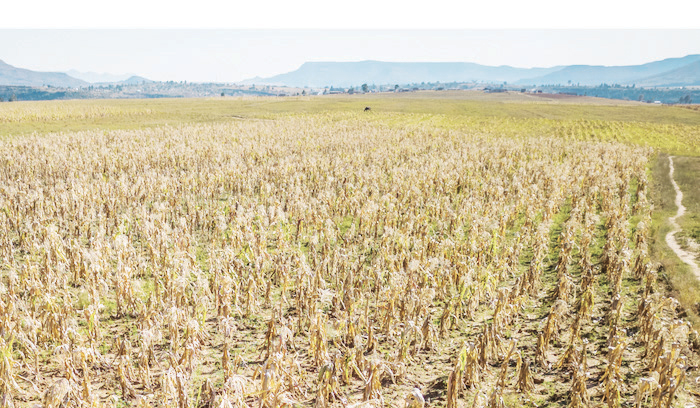
Malawi stands at a critical juncture as economists caution against complacency following projections of a potentially significant economic impact from an impending weather event. Economist Marvin Banda reminded businesses and policymakers that while a projected GDP shock of one to seven percent serves as a warning rather than an automatic forecast of outright recession. The nation faces a profound agricultural threat, particularly because its economy remains heavily reliant on rain-fed farming. Banda emphasized that Malawi’s greatest vulnerability is not solely the weather phenomenon itself but the rapid pace of government response, which must arrive quickly before crops are lost and food shortages emerge. As of September 2026, the government had mobilised K163.7 billion against the required K488.5 billion for the El Nino Preparedness Plan, leaving a massive financing shortfall of K324.8 billion. This leaves roughly two-thirds of the necessary funding unraised. Another expert, Velli Nyirongo, stressed that this fiscal deficit could force increased spending on food assistance during a time when the government’s limited financial resources are already severely strained. He advocated for immediate, adequately funded action, specifically calling for increased investment in irrigation and climate-smart agriculture alongside timely access to affordable farm inputs. Agriculture policy analyst Leonard Chimwaza praised the creation of a special government task force on El Nino and public awareness campaigns by the Department of Disaster Management Affairs. However, the focus now shifts to execution. During the 2023/24 El Nino season, maize output fell by 23 percent, dropping from 3.5 million tonnes to 2.7 million tonnes, while affecting 5.7 million people. Businesses must recognize that munda wa boma (the government budget) is under immense strain, meaning private sector innovation in resilience and adaptation is essential to sustain economic growth and protect local markets from future climate shocks. Entrepreneurs should prioritize investments that build structural climate resilience, ensuring that supply chains remain robust even as unpredictable weather patterns continue to challenge traditional agricultural methods. Enterprises must seize these early chances to fund essential adaptations now, because waiting for the next crisis to force changes will only result in much deeper losses and greater uncertainty for the Malawian economy. Investors are urged to channel capital into sustainable projects that mitigate climate risks, ensuring that businesses can weather future disruptions and contribute to a resilient national economy.
What are your thoughts on this business development? Share your insights and remember to follow us on Facebook and Twitter for the latest Malawi business news and opportunities. Visit us daily for comprehensive coverage of Malawi’s business landscape.

- El Niño’s Malawi Economic Shift: Strategic Insights for Entrepreneurs and Investors - October 22, 2026
- RBM Islamic Finance Review: Advancing Business Impact in Malawi - October 22, 2026
- Global Shocks Challenge Malawi’s Economy – Strategic Moves for Business Success - October 21, 2026