
Empowering Businesses Through Transparent Budget Oversight
Key Business Points
– Strengthening parliamentary oversight and access to financial reports is seen as critical to prevent resource leakages and ensure public funds serve national priorities.
– Weak compliance with the Public Finance Management Act (PFMA) — especially missing quarterly and debt reports — undermines transparency and accountability in budget implementation.
– Empowering legislators, media, and civil society to track and scrutinize budget execution is vital to drive accountable governance and boost investor confidence.
The push for stronger monitoring systems in Malawi’s budget implementation falls squarely within the interest of local business owners, entrepreneurs, and investors seeking a more predictable and accountable public sector. Stakeholders at a recent National Budget Implementation, Tracking and Oversight Forum in Lilongwe warned that gaps in fiscal oversight were creating opportunities for mismanagement of development resources.
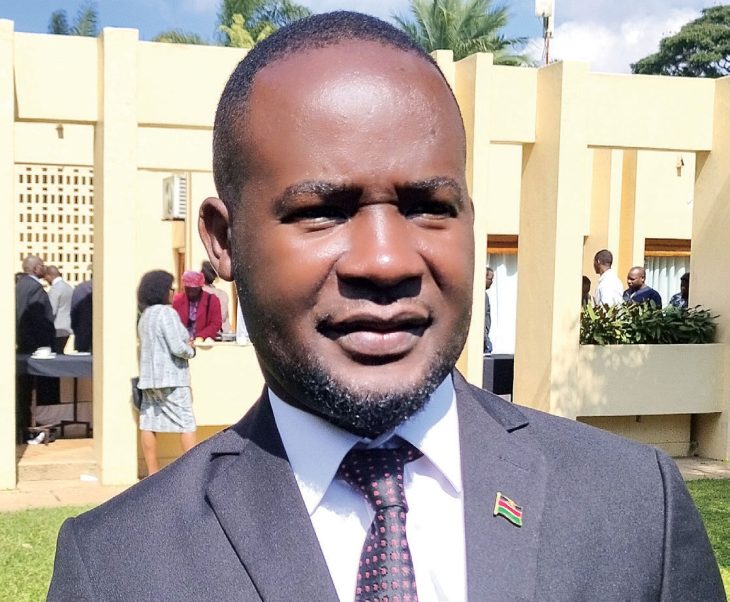
Parliament’s Budget and Finance Committee chairperson, Sosten Gwengwe, highlighted that key reports required under the Public Finance Management Act (PFMA) are often not submitted on time — including quarterly revenue performance updates, debt plans, and contingency fund reports. He stressed that despite the country’s robust PFMA framework being regarded as one of the best in the region, poor enforcement allows financial irregularities to slip through unchecked. This, he said, directly impacts Malawi’s growth potential as public resources meant for sectors like agriculture, manufacturing, and infrastructure are lost to inefficiencies or mismanagement.
Speaker of Parliament Sameer Suleman shared similar concerns, pointing to weak oversight mechanisms as a barrier to effective budget accountability. He committed to supporting stronger legislative capacity to hold the Executive to account, in line with constitutional responsibilities. Voices from civil society and media reiterated the need for greater transparency, particularly through improved access to information. Misa Malawi Chairperson Golden Matonga noted that public and media scrutiny can serve as powerful tools to ensure fiscal policies are properly implemented and remain aligned with national development goals.
The Malawi Institute for Development Policy (Afidep) Executive Director Eliya Zulu explained that the forum’s focus on tracking resource allocation reflects a broader effort to ensure the 2026-27 National Budget aligns with the country’s development priorities. Researchers and development actors also pointed out that taking advantage of existing budgetary instruments could greatly enhance legislators’ oversight capacity.
For Malawian businesses, greater fiscal accountability means a more stable environment for investment and planning. Entrepreneurs rely on predictable resource flows in sectors such as agriculture, construction, and energy. Improved budget tracking not only safeguards funds but also strengthens the foundation for public-private partnerships and long-term national growth. With reforms underway, the business community has a role to play — staying informed, engaging lawmakers, and holding both government and themselves accountable to ensure lasting progress.
What are your thoughts on this business development? Share your insights and remember to follow us on Facebook and Twitter for the latest Malawi business news and opportunities. Visit us daily for comprehensive coverage of Malawi’s business landscape.

- Malawi Debt Restructuring Paves Path for Business Growth - September 20, 2026
- Mwapata Institute Maps Profitable Pathways in Malawi’s Soybean Value Chain - September 20, 2026
- TNM Introduces Tailored Packages to Elevate Malawi Business Performance - September 20, 2026