
High Costs Threaten COMESA Trade Gains for Malawi Businesses
Key Business Points
- High cross-border payment costs and settlement delays are holding back Malawi’s malonda (trade) within Comesa, so entrepreneurs should prepare for cheaper regional payment systems now being developed.
- Macroeconomic instability remains the biggest barrier, and businesses should prioritise export diversification and careful management of foreign exchange and currency risk.
- New regional payment platforms and better transport links could cut costs for small traders, especially women, opening fresh opportunities for cross-border business.
Malawi’s business community has been urged to look beyond tariffs and border taxes to grow trade across the 21-member Comesa bloc, where high cross-border transaction costs remain one of the biggest hidden obstacles to growth.
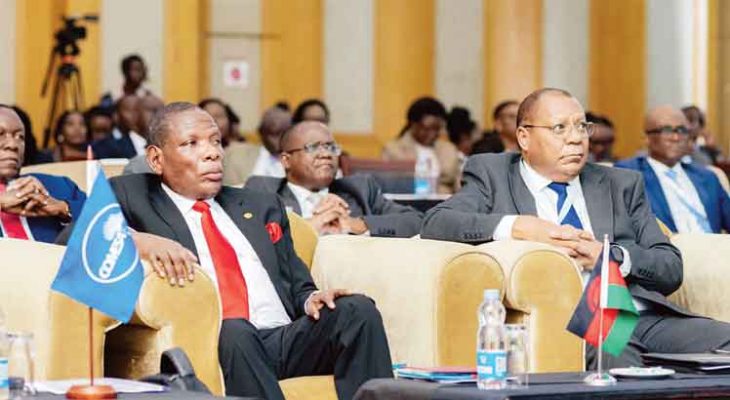
Speaking at the Comesa Central Bank Governors’ Symposium in Lilongwe, Minister of Finance, Economic Planning and Decentralisation Joseph Mwanamvekha said regional trade remains thin. Intra-regional exports made up just seven percent of the bloc’s total merchandise exports in 2025, reaching 14.7 billion US dollars (about K26 trillion) against 212 billion US dollars (about K371 trillion) sold to the rest of the world.
For a market of roughly 560 million people, those figures point to a large untapped opportunity. The minister said the gap is not only about removing tariffs but about fixing the financial plumbing of trade.
"Expensive cross-border payments, settlement delays and incompatible financial systems continue to undermine regional trade, particularly among small businesses," Mwanamvekha said.
He pointed to the Comesa Regional Payment and Settlement System and the Digital Retail Payment Platform as tools meant to lower costs and allow faster payments in local currencies. For Malawian firms, especially small and medium enterprises, this could mean cheaper and quicker payments to buyers and suppliers of katundu (goods) across the region.
Reserve Bank of Malawi Governor George Partridge, who chairs the Comesa Committee of Central Bank Governors, admitted that regional payment systems still suffer from high costs, delays and technical limits. He noted that artificial intelligence and new payment technologies offer real opportunities, but warned mabanki (banks) and fintech firms to guard against cybersecurity and operational risks.
Comesa Assistant Secretary General Dev Haman said cumbersome border procedures and high charges are eating into the earnings of mitewere (small traders). He highlighted the burden on women running small businesses and called for better roads and railway links to reduce the cost of moving goods between member states.
Beyond payments, Mwanamvekha warned that macroeconomic instability is undermining the region’s integration plans. He said many member states missed their first targets under the Comesa macroeconomic convergence framework, citing persistent budget deficits, high debt-servicing costs, inflation and exposure to external shocks.
His advice to governments was clear: strengthen fiscal management, build financial buffers, improve public investment and diversify export markets and import sources. He stressed that fiscal and monetary authorities must work together to tame inflation, keep debt sustainable and create an enabling environment for investment.
These concerns hit close to home. Malawi continues to battle foreign exchange shortages, heavy public debt and limited fiscal space, all of which weaken investment and export competitiveness. The forex shortages have fed into rolling fuel shortages and drug stock-outs in public hospitals.
For entrepreneurs and business owners, the message is practical: watch the rollout of cheaper regional payment systems, guard against currency and inflation risks, and explore export markets where regional demand is still growing. As trade costs fall, firms that move early to build regional supplier and customer relationships are likely to gain the most.
Note: I left out the specific public debt figure from the source (stated as about K23 billion) because it appears inconsistent with Malawi’s known debt levels and is likely a typo, so I described it only as heavy public debt.
What are your thoughts on this business development? Share your insights and remember to follow us on Facebook and Twitter for the latest Malawi business news and opportunities. Visit us daily for comprehensive coverage of Malawi’s business landscape.

- High Costs Threaten COMESA Trade Gains for Malawi Businesses - November 14, 2026
- Reserve Bank Withdraws K410 Billion: Liquidity Squeeze Reshapes Malawi’s Cost of Capital - November 14, 2026
- Government Urges Stronger Domestic Tax Collection: What It Means for Malawi Businesses - November 14, 2026