
K82 Million Monthly Revenue: Malawi’s Water Bottling Opportunity
Key Business Points
- K4 billion bottled water plant now yields K984 million annual revenue, showing how public utilities can diversify income.
- Sales have surged 244 % in a year, reaching K82 million monthly, highlighting strong market demand and effective distribution.
- The model signals a sector‑wide shift toward vertical integration, inviting investors and other firms to explore similar value‑added projects.
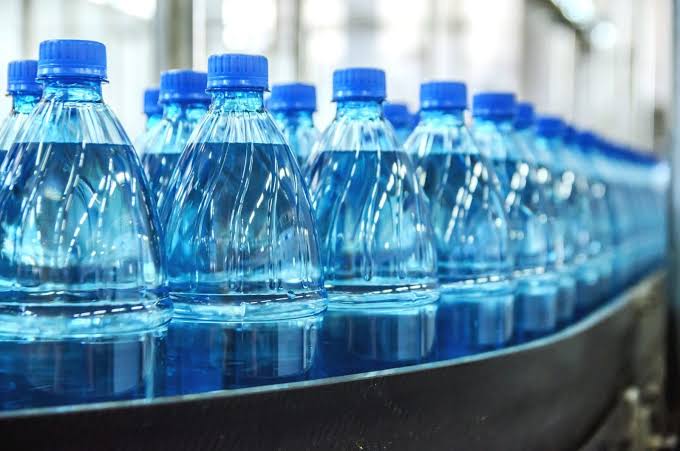
Lilongwe Water Board (LWB) launched a K4 billion bottled water plant last year and the operation is already reshaping Malawi’s water market. The facility now contributes K82 million each month, which adds up to K984 million over a full year. Public relations manager Chisomo Chibwana said the unit is still in its growth phase, emphasizing that continued market penetration, expansion into new geographical areas and strengthening of distribution channels will further boost revenue.
The turnaround is dramatic. Monthly sales jumped from K25 million in September 2025 to K82 million in August this year, a 244 percent increase. Such growth reflects both rising consumer demand for safe drinking water and the board’s focus on reaching more households and businesses across the country.
Corporate governance expert Jimmy Lipunga described the bottling unit as a revenue broadening strategy and a vertical integration proposition. He explained that the investment stays within the same value chain, allowing LWB to control more of the process from source to bottle. Success, he warned, hinges on managing variable costs, mitigating risks, executing marketing and achieving the required production volumes.
The Comptroller of Statutory Corporations highlighted a broader public sector transformation. In a statement, the office noted that other water boards are preparing similar plants, indicating that the clean water initiative is becoming a national priority. The reform effort aims to lower disease incidence, which saves government resources on health care and improves overall productivity.
Health benefits also translate into economic gains. Access to clean water means fewer illnesses, allowing workers to stay healthy and remain in the workforce. This contributes to higher productivity and stronger economic growth for Malawi.
The plant builds on LWB’s solid financial performance. In the fiscal year 2023/24 the utility posted a profit after tax of K9.8 billion, up 27 percent from the previous year’s K2.6 billion. The increase shows that the utility’s diversification into bottling is not only expanding revenue streams but also reinforcing its core profitability.
For Malawi’s business community, the case offers clear lessons. First, investing in essential services with high social value can generate attractive returns, as demonstrated by the bottled water plant’s rapid scalability. Second, vertical integration within the water sector opens new opportunities for suppliers, distributors and investors who can partner with public utilities. Third, government support and policy direction are encouraging private and public capital to flow into infrastructure projects, creating a more dynamic market.
Local entrepreneurs may consider replicating the model in other districts, focusing on kumeneka (growth) strategies that include robust distribution networks and community outreach. The trend also suggests a mwayi (opportunity) for technology providers who can help water boards improve processing efficiency.
Overall, LWB’s bottled water venture illustrates how strategic public sector investments can drive economic development, improve public health and create sustainable business opportunities across Malawi.
Investors and local partners should watch for upcoming tender notices as the government plans to roll out similar plants in the northern and southern regions, creating further kumbukwezi (investment) possibilities. These developments point to a growing market for water‑related products and services across Malawi. Stakeholders are encouraged to engage early to secure strategic positions. Opportunities await those who act promptly for growth.
What are your thoughts on this business development? Share your insights and remember to follow us on Facebook and Twitter for the latest Malawi business news and opportunities. Visit us daily for comprehensive coverage of Malawi’s business landscape.

- K82 Million Monthly Revenue: Malawi’s Water Bottling Opportunity - October 6, 2026
- CFTC Calls for Deeper Regional Ties to Expand Malawi’s Market Access - October 6, 2026
- Costly Money Transfers to Malawi Hamper Business Growth – The Times Group - October 6, 2026