
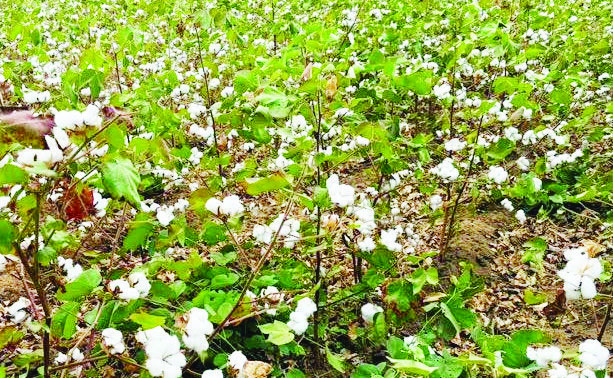
Malawi Cotton Deficit Reaches 99 Percent as Seed Shortages Hit Production
Key Business Points
- Severe supply shortfall: Malawi delivered only 4,000 metric tonnes of cotton this year against a national processing capacity of 400,000 metric tonnes.
- High seed expenses: Imported planting seed costs K80,000 per kilogram, draining smallholder cash flow and foreign exchange reserves.
- Financing support: Commercial banks are preparing a K10 billion credit facility to help farmers secure seed early.
Malawi is facing a sharp drop in cotton production, closing the season with a 99 percent shortfall between farmer output and processor demand. National ginning plants can process over 400,000 metric tonnes, yet growers delivered just 4,000 metric tonnes. That sits far below the national target of 100,000 metric tonnes set for 2028.
| Indicator | Current Status | Target or Capacity |
|---|---|---|
| Annual Harvest Delivered | 4,000 metric tonnes | 100,000 tonnes (by 2027-28) |
| National Ginning Capacity | Operating near 1% capacity | 400,000 metric tonnes |
| Raw Cotton Farmgate Price | K1,500 per kg | K1,200 per kg (last year) |
| Imported Planting Seed Price | K80,000 per kg | Target: 600 tonnes local seed |
Farmgate prices climbed to K1,500 per kilogram, but low crop volumes still leave local factories largely idle. Ginners and textile companies must import raw lint to keep machines running, which eats into scarce foreign exchange reserves.
The primary bottleneck is seed availability. High import costs of K80,000 per kilogram keep certified seed out of reach for many smallholders, delaying planting and hurting total yields.
To rebuild supply, the Cotton Council of Malawi has started a domestic seed multiplication project with an initial target of 600 metric tonnes. At the same time, commercial banks are assembling a K10 billion loan window so farmers can purchase quality inputs before the rains arrive.
For investors, closing this deficit creates direct room for enterprise in local seed multiplication, regional ginnery logistics, and protective crop packaging.

-
High Seed Costs Squeeze Malawi’s Cotton Sector—Council Warns
- October 21, 2026 - K1.15M Cost of Living Spike: September Impact on Malawi Businesses - October 20, 2026
- Malawi’s K52.5tn Mining Export Goal: A 14 Year Roadmap for Investors - October 20, 2026