
Malawi’s Central Corridor Set to Slash Transport Costs and Strengthen Trade
Key Business Points
- Infrastructure and border delays are making goods too expensive for Malawi businesses.
- The government is urging transporters and companies to find practical solutions to these bottlenecks.
- Collaboration across the Central Corridor is essential to unlock new investment and growth opportunities.
The government is sending a clear message to the business community: stop waiting for problems and start finding practical answers to the bottlenecks that hurt us. At the Workshop in Lilongwe, Principal Secretary Bright Kumwembe addressed transporters and business owners directly. He challenged them to look at rising costs and finding practical fixes.
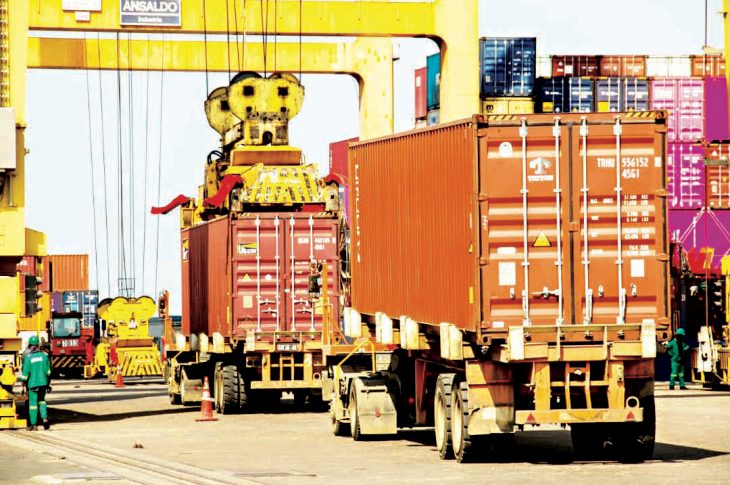
For Malawi’s entrepreneurs, the daily reality of moving goods is a struggle. Bottlenecks at borders and aging infrastructure push up the price of everything from agricultural produce to manufactured goods. When trucks sit idle for days at border posts, the cost of delay gets passed down the supply chain. Business owners feel this hits their margins hard, and consumers end up paying more at the market. The government recognizes these hurdles are direct threats to economic growth and investment appeal. Local mabizines face higher operational costs daily, making it difficult to compete.
Kumwembe’s remarks highlight a shift in tone. Rather than placing the burden on regulators, the government calls on transporters and local mabizines to collaborate on practical solutions. This is a critical moment for the private sector. If businesses can propose workable models for clearing customs faster or improving road usage, the rewards could be significant. Investment opportunities open up when the cost of doing business drops. Lower transport costs mean Malawian products become more competitive in regional markets. Transporters must ensure the njira they use are safe and efficient.
The Central Corridor is a vital artery for trade. It connects Malawi to the port of Nacala in Mozambique, offering a shorter route to global markets. However, poor road conditions and inefficient border procedures often negate the advantage of this shorter distance. Local transporters, the backbone of the supply chain, ask for better roads and faster clearance times. They want to kulimika smoothly without losing money to delays. The government is listening, but action is required from everyone.
To address these issues, stakeholders must think beyond quick fixes. Sustainable solutions require partnership between the government and the private sector. Business owners need to share their data on delays and costs, while authorities must respond with targeted regulatory reforms. When both sides work together, the entire corridor becomes more efficient. This kind of collaboration is about building a resilient economy that attracts long-term investment. The government cannot fix this alone, and the private sector cannot wait for that.
Malawi has enormous potential, but that potential is locked behind logistical challenges. The government’s challenge to the business community is a call to action. Entrepreneurs and transporters must step up and offer practical ideas that transform the trade landscape. By tackling these bottlenecks directly, Malawi can reduce the cost of doing business, create more jobs, and drive progress. The path to prosperity depends on how quickly stakeholders turn discussions into real action on the ground. Local entrepreneurs must seize this opportunity to reshape the future of trade in the country.
What are your thoughts on this business development? Share your insights and remember to follow us on Facebook and Twitter for the latest Malawi business news and opportunities. Visit us daily for comprehensive coverage of Malawi’s business landscape.
