
Transforming Malawi’s Food Systems: The Business Opportunity in Poverty Reduction
Key Business Points
- National poverty dropped from 50.7 % to 47.3 %, yet food poverty rose to 24 %, signaling that lower living standards persist for many families.
- Inequality widened as the Gini coefficient climbed from 37.9 to 39.9, creating new market niches for services that serve low‑income consumers.
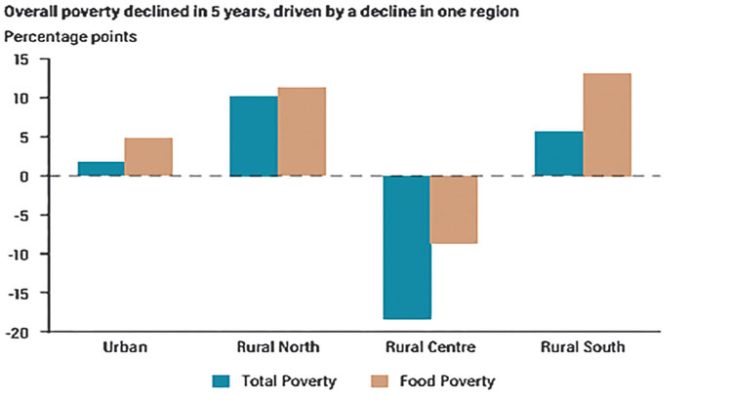
- Rural Central region outperformed other countryside areas, while other rural zones saw worsening conditions, pointing to uneven development opportunities.
The World Bank’s latest Economic Monitor shows mixed signals. Overall poverty is falling, but the cost of basic food is eating up a larger share of household budgets. This creates pressure on small firms that rely on price‑sensitive customers.
The rise in food poverty means that even those just above the general poverty line often struggle to meet their daily nutritional needs. For entrepreneurs, this translates into demand for affordable, nutritious products such as Kudya ndi chakudya and efficient logistics that reduce waste.
Growing inequality means that wealthier urban clusters are expanding faster than poorer rural communities. Businesses that can tap into the growing middle class in cities such as Blantyre and Lilongwe will find strong growth potential, while neglecting remote villages risks missing emerging markets.
Regional analysis highlights that the Central Region contributed most of the national poverty reduction because of better infrastructure and agricultural output. However, other rural districts, especially in the Southern and Eastern provinces, experienced stagnation. Companies looking to diversify supply chains should prioritize these lagging areas to capture untapped demand.
Practical steps for Malawian entrepreneurs include: (1) develop value‑added foods that combine locally sourced grains with modern processing to lower costs; (2) partner with micro‑finance institutions to provide credit to small producers; (3) invest in cold‑chain storage in peripheral towns to improve product quality and extend shelf life; (4) monitor regional price trends to adjust pricing strategies quickly.
What are your thoughts on this business development? Share your insights and remember to follow us on Facebook and Twitter for the latest Malawi business news and opportunities. Visit us daily for comprehensive coverage of Malawi’s business landscape.
