
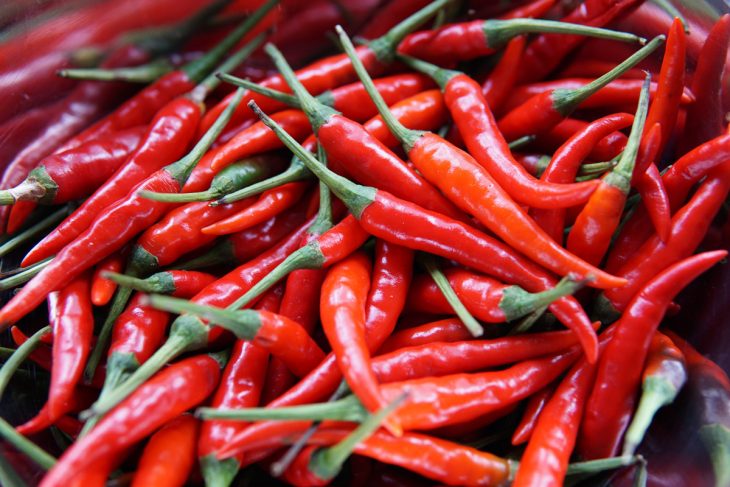
Malawi’s Chilli Sector: Capitalizing on Lucrative Global Export Potential
Key Business Points
- Increase chilli production through improved extension services.
- Invest in value addition to capture higher export margins.
- Strengthen farmer cooperatives and market linkages.
The recent analysis by agricultural expert Mphatso Kalambo highlights that Malawi can boost its export earnings by expanding chilli cultivation and adding value to the crop. Currently, average yields stand at about 200 kilogrammes per hectare, a figure that can be raised with better extension support and farmer assistance. Kalambo noted that international demand for chilli remains strong, yet exporters often cannot secure the required volumes because production is fragmented and insufficient. Prices offered by traders range from K10,000 to K12,000 per kilogramme, but they need at least ten metric tonnes to fulfill orders, a quantity that individual growers or small cooperatives cannot provide.
Chawanangwa Munthali of Vickam Products urged farmers to adopt good agricultural practices such as proper spacing, timely weeding, and effective pest management to improve both yield and quality. He emphasized that relying on low‑yielding local varieties will hinder competitiveness in both domestic and international markets.
Smallholder farmer Lameck Simwera from Nkhata Bay pointed out that intermediaries frequently exploit producers by offering low prices, taking advantage of the crop’s perishability and limited transport options. He called on the National Smallholder Farmers Association of Malawi to strengthen market linkages, lower transport costs, coordinate prices, and support the formation of cooperatives.
The data indicate that Malawi’s chilli exports are shaped by market demand, production capabilities, and trade regulations. By addressing these challenges, the sector could generate significant chuma for local entrepreneurs and contribute to national economic growth. The chili sector presents a clear investment opportunity for businesses willing to support processing, logistics, and farmer training. Strengthening market linkages and building resilient cooperatives will be essential to translate potential into sustained export earnings and foreign exchange inflows.
Improving rural road networks would lower transportation costs, making it easier for farmers to reach collection points. The introduction of cold storage facilities near growing areas could reduce post‑harvest losses, thereby increasing the volume of marketable produce. Moreover, linking smallholder growers to international certification bodies would enhance market access and potentially fetch premium prices. Financial institutions are being encouraged to develop tailored loan products for chili producers, addressing the capital constraints that currently limit scale. In parallel, research institutions are exploring drought‑resilient varieties that can maintain yields under changing climatic conditions. These combined efforts are expected to boost the sector’s contribution to GDP and improve household incomes. The private sector can play a pivotal role by investing in processing plants that convert raw chili into paste, powder, or oleoresin, products that command higher margins in global markets. Such value addition would also generate additional employment along the supply chain. Stakeholders emphasize that coordinated action among government, NGOs, and the private sector is essential to realize the full potential of this crop.
Ensuring that smallholder farmers receive timely technical advice, access to improved seed varieties, and fair market information, while simultaneously building processing facilities, developing transportation infrastructure, and fostering public private partnerships, will create a robust value chain that enhances food security, generates employment, increases household incomes, and positions Malawi as a competitive exporter of high quality chili products in the international arena. This initiative will bring lasting benefits to rural communities across the region today.
What are your thoughts on this business development? Share your insights and remember to follow us on Facebook and Twitter for the latest Malawi business news and opportunities. Visit us daily for comprehensive coverage of Malawi’s business landscape.

- Navigating Global Turbulence: Strategic Moves for Malawi’s Business Leaders - October 15, 2026
- Malawi’s Chilli Sector: Capitalizing on Lucrative Global Export Potential - October 14, 2026
- Malawi’s Stability Paradox: Implications for Business Leaders and Investors - October 14, 2026