
Malawi’s Stability Paradox: Implications for Business Leaders and Investors
Key Business Points
- Monitor IMF‑backed reforms such as fuel and sugar pricing changes that are stabilizing markets and moderating inflation.
- Leverage the National Economic Recovery Plan (NERP) which aims to boost domestic revenue, control expenditure and rebuild foreign reserves, creating a more predictable environment for investment.
- Diversify beyond rain‑fed maize and tobacco by exploring agro‑processing, small‑scale manufacturing and savings groups to reduce vulnerability to weather shocks.
The IMF mission team that visited Malawi last week said the authorities are moving in the right direction after working toward stabilising the economy. Mission chief Justin Tyson noted that domestic revenue is rising in line with the 2026‑27 budget targets and that expenditure has been tightly controlled. He praised the National Economic Recovery Plan (NERP) and pointed to decisive actions like fuel and sugar pricing reforms that have helped market functioning. Inflation has been moderating in recent months, supported by low food inflation, although non‑food inflation remains high.
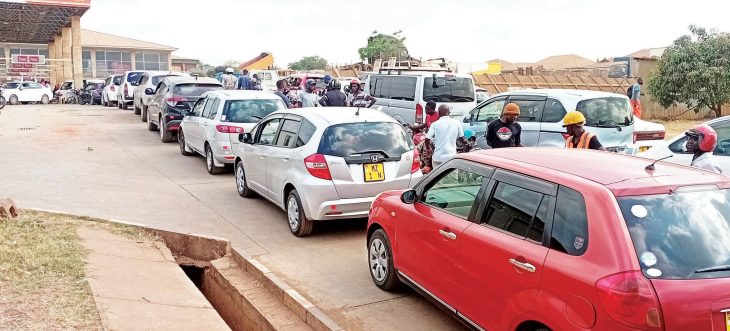
Despite progress, many Malawians feel the pinch as fuel scarcity lifts bus fares threefold, squeezing traders without foreign exchange who turn to parallel market, raising commodity prices. Power outages hit small‑scale businesses, social media criticises the government, and the hardship is not new; Malawi has faced one of its most volatile economic periods in modern history.
From 2016 to 2026 Malawi’s economy grew at less than three percent per year, barely keeping pace with a 2.6 percent population increase. Recoveries included 5.4 percent growth in 2019 from good rains, bumper maize and tobacco, and 4.6 percent growth in 2021 after Covid‑19 eased and Affordable Inputs Programme launched; agricultural productivity boosts rural spending, local manufacturing and stabilises urban food prices.
These gains were repeatedly cut short by external shocks and natural disasters, with the Covid‑19 pandemic knocking growth to one percent in 2020. In 2022 Tropical Storm Ana and Cyclone Gombe damaged the Kapichira hydroelectric station, cutting a third of the nation’s electricity supply for months; Cyclone Freddy in March 2023 killed over 1000 and destroyed roads, bridges and farmland; an El Niño‑induced drought in 2024 ruined maize across central and southern districts, while World Bank estimated the cyclone caused over $500 million in damage, forcing government to redirect funds to relief.
Fuel and fertiliser price spikes after Ukraine war worsened situation, with reserves prompting Reserve Bank of Malawi to devalue kwacha 25% in May 2022 and 44% in November 2023, spiking import prices, driving headline inflation to 28% and creating acute shortages of fuel, medicines and other essentials.
By 2025 and 2026 Malawi entered repair under NERP, with IMF stressing that restoring macroeconomic balance requires fiscal discipline, debt management and market reforms to rebuild investor confidence and foreign reserves, while public debt remains above 91% GDP and debt service consumes a share of domestic revenues.
While fixing macroeconomic policy and curbing public debt is essential, Malawians must shift from passive observers to active participants in solution. Transformation starts with changing how citizens approach agriculture and business: moving away from reliance on rain‑fed maize and tobacco, building savings culture funds manufacturing and livelihoods, embracing agro‑processing, value addition and savings groups (mikolo or vhula) create jobs cut weather exposure.
Investors should watch for opportunities in energy, mini‑grids that offset hydroelectric variability, in processing units that turn raw maize and tobacco into value products; fuel pricing and exchange reforms will improve market predictability, make Malawi an attractive destination for trade and investment. IMF endorsement offers signal that, with disciplined policy and grassroots initiative, country can steer toward steadier growth living standards.
What are your thoughts on this business development? Share your insights and remember to follow us on Facebook and Twitter for the latest Malawi business news and opportunities. Visit us daily for comprehensive coverage of Malawi’s business landscape.

- Malawi’s Stability Paradox: Implications for Business Leaders and Investors - October 14, 2026
- UNDP Pushes for Affordable Capital to Shield Malawi Firms from Economic Shocks - October 14, 2026
- World Bank Highlights Critical Challenges in Malawi’s Debt Negotiations Amid Economic Pressures - October 13, 2026