
Malawi’s Economic Uncertainties Will Challenge Business Leaders, Investors, and Entrepreneurs
Key Business Points
- Macroeconomic instability is persistent, driven by unsustainable fiscal, monetary, and exchange rate policies, leading to high inflation and stagnant incomes for most households.
- Growing debt burden above 90% of GDP and rising fiscal deficits are crowding out private investment and threatening long-term economic growth.
- Opportunities for reform exist in targeted agricultural commercialisation, strategic value chains, and improved public spending efficiency to enhance competitiveness and living standards.
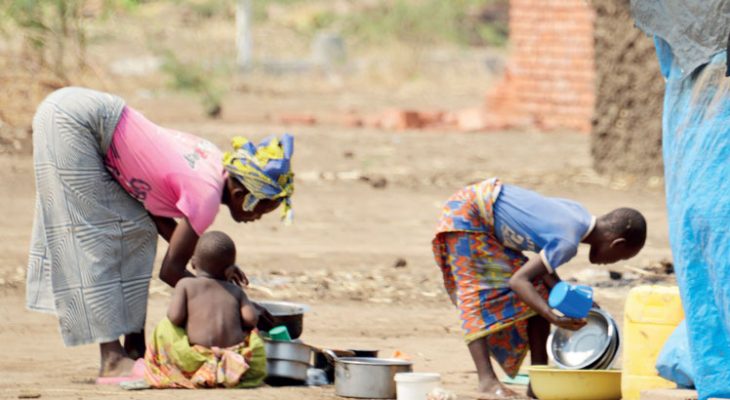
Malawi’s business environment continues to face significant headwinds, with the World Bank warning that deep-rooted macroeconomic instability is unlikely to improve without substantial reforms. Persistent high inflation, contracting per capita GDP, and a rising debt burden have left three-quarters of the population living below the poverty line, making it increasingly difficult for businesses to grow sustainably amid weak consumer demand and high operating costs.
Fiscal pressures are mounting, with the upcoming election year expected to push the fiscal deficit to 12.6 percent of GDP in 2026, increasing the debt stock above 90 percent of GDP. This leaves little room for government borrowing to support much-needed pro-poor or business development programmes. Economists note that excessive public spending and debt servicing are crowding out resources that could otherwise be directed toward infrastructure, skills development, and productive sectors vital for business expansion and job creation.
Trade competitiveness remains a challenge, with the current account deficit widening to 17.6 percent of GDP due to weak exports and rising trade barriers. Low foreign exchange reserves and stalled exchange rate reforms are adding pressure on businesses reliant on imports and contributing to the widening gap between official and parallel market rates. Local firms – particularly in sectors like manufacturing and retail – are grappling with higher input costs and currency volatility, which erode margins and discourage long-term investment.
Despite these challenges, experts and policymakers highlight pathways for business growth. Targeting strategic value chains such as pharmaceuticals, tyres, batteries, and niche tourism could unlock new opportunities for entrepreneurs and exporters. Commercialising agriculture by shifting subsistence farmers toward high-value, profit-oriented crops is seen as a key lever to increase rural incomes, expand agri-processing, and create more stable supply chains for local and export markets.
The Ministry of Finance has developed a Malawi National Recovery Plan, a focused subset of the longer-term Malawi 2063 agenda, designed to consolidate reforms across revenue generation, expenditure efficiency, and monetary policy. Analysts stress that the plan’s success will depend on overcoming entrenched vested interests, improving transparency, and ensuring that public funds are spent strategically rather than on luxury or wasteful projects. With deliberate intervention in productivity, resource allocation, and structural transformation, Malawi’s private sector – especially small and medium enterprises – could benefit from more predictable policies and improved business conditions in the medium to long term.
For business leaders, the outlook calls for resilience and adaptability. The firms that will thrive are those finding ways to operate efficiently despite cost pressures, tapping into emerging opportunities in targeted industries, and aligning their strategies with national recovery priorities. As reforms unfold, closely monitoring policy signals and government incentives tied to key value chains will be essential for positioning ahead of a potential rebound.
What are your thoughts on this business development? Share your insights and remember to follow us on Facebook and Twitter for the latest Malawi business news and opportunities. Visit us daily for comprehensive coverage of Malawi’s business landscape.

- Study Exposes Malawi Food Supply Chain Gaps That Hurt Profits - September 24, 2026
- World Bank Charts Malawi’s Investment Blueprint - September 24, 2026
- Malawi’s 2030 Ambition: A Blueprint for Business Growth - September 24, 2026