
Malawi’s Fragile Recovery: Business Risks and Opportunities
Key Business Points
- Focus on Market Vulnerability: Prepare for recurring droughts and cyclones by investing in irrigation and climate-smart agriculture.
- Address Import Constraints: Mitigate foreign exchange shortages by diversifying export bases away from rain-fed crops.
- Boost Domestic Investment: Capitalize on new government budget allocations focusing on manufacturing, mining and small-medium enterprises.
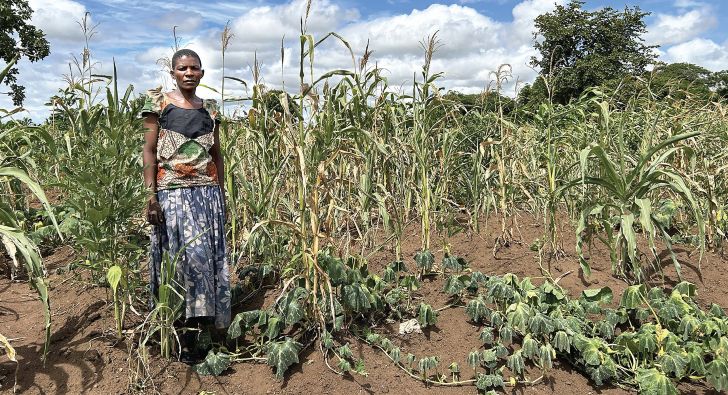
Malawi’s economic recovery remains fragile because growth fails to keep pace with population growth, while repeated climate disasters and foreign exchange shortages continue to undermine production, investment and living standards, Oxfam in Malawi has warned. In its analysis of macroeconomic shocks and government expenditure, it identifies weak growth, declining per capita income, climate-related production losses and falling investment as key challenges to recovery. The analysis shows real GDP growth averaged 2.9 percent between 2015 and 2024, peaking at 5.7 percent in 2019. Growth has fallen below two percent annually in the past three years, trailing population growth of 2.7 percent and contributing to declining per capita income. The findings point to an economy struggling to generate sufficient growth to improve living standards, with successive crises compounding existing structural weaknesses. Pressures trace back to shocks including the Covid-19 pandemic, the Russia-Ukraine war, the cholera outbreak and tropical cyclones, disrupting economic activity and increasing pressure on public expenditure. Climate-related disasters inflict heavy losses. Cyclone Freddy caused damages and losses estimated at $505 million, while 2023 production losses equaled 0.5 percent of real GDP. The 2023/24 drought exposed vulnerability to weather-related shocks, contributing to a 21 percent decline in cereal production to 3.8 million tonnes. Maize output fell to 2.7 million tonnes, against estimated requirements of between 3.3 million and 3.5 million tonnes. Oxfam in Malawi highlights persistent foreign exchange shortages as a critical constraint on industrial and service sector activity. Investment declined from 16.3 percent of GDP in 2022 to 12.8 percent in 2024, pointing to difficulties in sustaining expansion. Findings underscore the need to address both immediate pressures and deeper structural vulnerabilities. Rain-fed agriculture leaves production, food security and export earnings exposed to climate shocks, while foreign exchange shortages constrain businesses’ access to imported inputs, a local challenge called milito dzuwa. Another El Nino adds to these concerns, threatening agricultural output, food security and inflation. Climate Change and Meteorological Services warns that Malawi could experience another El Nino this year. Economic governance officer Agnes Nyirongo said the country’s dependence on agriculture for food, employment and export earnings makes climate shocks a major threat to economic stability. Investment in irrigation, climate-smart agriculture, economic diversification and disaster preparedness would be critical to protecting long-term growth ambitions. Minister of Finance, Economic Planning and Decentralisation Joseph Mwanamvekha said in the 2026/27 National Budget Statement that investments in agriculture, tourism, mining, manufacturing and small-and-medium enterprises would support growth.
For business owners and entrepreneurs in Malawi, the message is clear. You must adapt to the harsh realities of the environment while taking advantage of emerging priorities. Sustainable practices and diversified revenue streams are no longer optional. Focusing on climate resilience and expanding into higher-value manufacturing and services can shield enterprises from volatility. The coming year will test whether current policies can truly stabilize the economy. Monitor allocations closely to identify where capital can be redirected toward climate-smart technologies and enterprise zones. Proactive planning today will determine whether Malawi can build a resilient foundation for future success.
What are your thoughts on this business development? Share your insights and remember to follow us on Facebook and Twitter for the latest Malawi business news and opportunities. Visit us daily for comprehensive coverage of Malawi’s business landscape.

- Malawi’s Fragile Recovery: Business Risks and Opportunities - October 25, 2026
- Streamlining Trade: Malawi & Mozambique Cut Border Delays for Business Growth - October 24, 2026
- Maize Prices Edge Up in September: Market Analysis for Malawi Investors - October 24, 2026