
Malawi’s Levies Spark Concerns Over Business Inclusion and Economic Impact
Key Business Points
- New 0.05 percent digital transaction levy could erode financial inclusion gains and push users back to cash
- Mobile money platforms risk losing users, reversing Malawi’s progress toward 95 percent formal financial access
- Government revenue needs clash with long-term digital economy growth and MSME stability
A proposed 0.05 percent tax on mobile money and electronic transfers has sparked warnings from industry leaders that the measure could undo Malawi’s financial inclusion progress and erode momentum in the digital economy.
Association for Digital Financial Services Malawi said introducing the levy is counterproductive to the country’s National Financial Inclusion Strategy, which targets 95 percent formal financial access by 2028. In a position paper, the group warned that even the small charge risks discouraging usage among low-income and rural populations who rely on platforms like Airtel Money and TNM Mpamba.
ADFS vice-chairperson Lumbani Gondwe noted that similar taxes in Tanzania and Ghana initially cut usage sharply before those governments reversed course. He urged authorities to consider alternative ways to enhance tax compliance without penalising adoption of formal financial services.
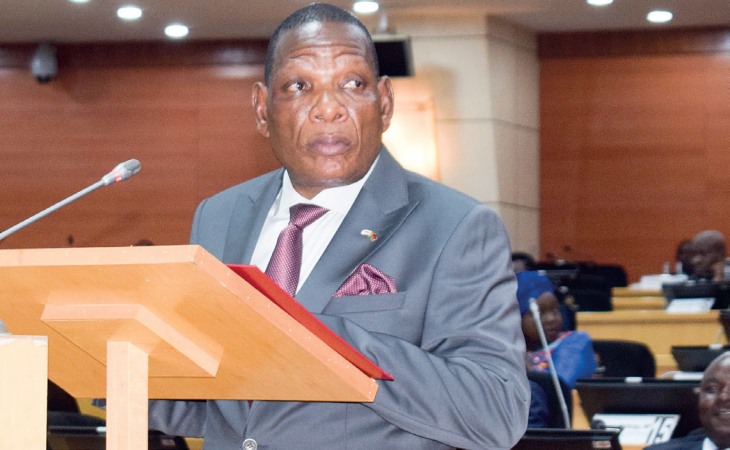
Introduced in November’s mid-year budget, the levy is part of measures by Minister of Finance Joseph Mwanamvekha to widen the revenue base and restore macroeconomic stability. Critics argue such distortionary taxes could undermine the broader digital transformation agenda that has fuelled job creation, empowered MSMEs, and improved resilience in underserved communities.
Political leaders have echoed these concerns. Malawi Congress Party finance spokesperson Peter Dimba warned consumers might abandon formal banking altogether, while Budget and Finance Committee chairperson Sosten Gwengwe urged the government to focus on expanding the tax base by bringing more businesses and individuals into the net, tightening collections on formal channels, and improving rates on other sources such as toll fees and parastatal performance.
The Central Bank’s cost of managing cash is also at stake. Gondwe pointed out that driving users back to physical currency would drive up printing, transport, and security expenses, cancelling out any gains from the new levy. Experts add that the tax could make everyday transactions more expensive, hurting MSME cash flow and slowing adoption of formal payment systems critical to economic growth.
Officials from the Ministry of Finance had not responded for comment at the time of writing. Mwanamvekha maintains that fiscal pressures demand short-term revenue measures, pointing also to Paye and VAT rate hikes as part of a balanced approach to stabilising public finances.
The debate reflects a wider policy dilemma: whether to prioritise immediate fiscal needs or invest in foundational reforms that reduce reliance on transactional taxes. Business groups suggest instead focusing on accelerating informal-sector formalisation and improving governance of digital platforms, enabling higher compliance without burdening those already least able to absorb added costs. Balancing these pressures will be key if Malawi is to safeguard progress toward an inclusive and resilient digital economy.
How will the proposed 0.05 percent tax on mobile money and electronic transfers affect your business or everyday life? Share your experience in the comments section.
What are your thoughts on this business development? Share your insights and remember to follow us on Facebook and Twitter for the latest Malawi business news and opportunities. Visit us daily for comprehensive coverage of Malawi’s business landscape.

- Kwenda CEO Gondwe Named Among Africa’s 100 Most Influential – A Catalyst for Malawian Business Growth - September 25, 2026
- Malawi’s Industrial Growth Playbook: Learning from Zimbabwe’s Success - September 25, 2026
- Malawi Business Leaders Demand Policy Certainty to Drive Capital Growth - September 25, 2026