
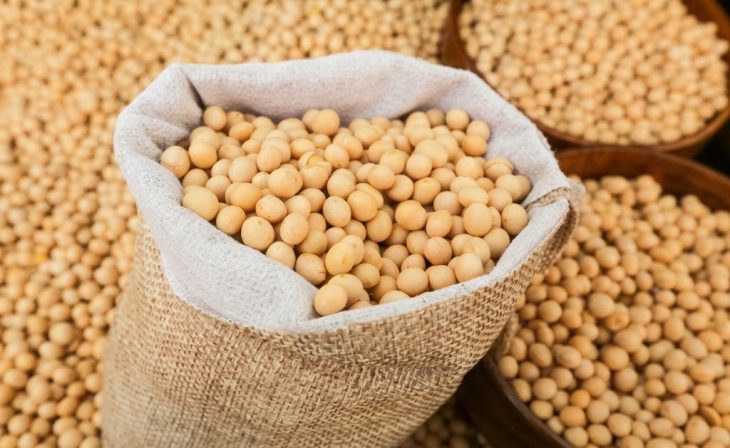
Mwapata Institute Maps Profitable Pathways in Malawi’s Soybean Value Chain
Key Business Points
- Support seed multiplication and certified seed access to boost yields and farmer income.
- Invest in value‑addition equipment and training to produce soy‑based products for higher returns.
- Develop community storage and aggregation facilities to reduce losses and capture better prices.
A recent study by the Mwapata Institute shows that soybean can become one of Malawi’s most profitable value‑chains if farmers and investors focus on seed multiplication, value addition and local storage. The report, titled “Strategies for building a more profitable soybean value‑chain in Malawi”, notes that global soybean output has risen fifteen fold since 1961 while Malawi’s earnings remain low despite good soils.
The study proposes four main actions. First, improve yields through better agronomic practices, stronger seed systems and access to certified seed. Second, promote value addition by giving farmers equipment, working capital and training to make soy‑based foods such as oil, tofu and milk. Third, invest in community‑level storage and aggregation so farmers can hold produce until prices rise. Fourth, link producers with premium off‑takers who pay up to twenty percent more for quality beans.
According to the institute, national productivity is about half of what the land could deliver, mainly because farmers lack inputs, face soybean rust and suffer from climate shocks. Closing this yield gap and connecting growers to better buyers would raise incomes sharply.
For the 2025 season the model estimates that a cooperative harvesting 1 400 kg per hectare at a farm gate price of K1 200 per kilogram could earn about K1.7 million (roughly US $960) per hectare. Smallholder margins stay thin because yields are low and prices are weak, but the study says that improving productivity and securing contracts with high‑end off‑takers can lift profits.
Earlier projections from Mwapata suggest that if policy reforms target the soybean value‑chain the country could earn roughly US $97 million each year and create around 35 700 jobs. Farmers Union of Malawi president Mannes Nkhata said the brief highlights the real obstacles farmers face, especially the shortage of certified seed and the effect of export bans that depress domestic prices.
Agriculture policy expert Tamani Nkhono‑Mvula added that the timing is right because the country is not using its soybean potential. He pointed out that Malawi once led the region in groundnut production, showing that legumes thrive locally and soybeans could follow the same path.
The Ministry of Agriculture says it is banking on mega farms and modern varieties to lift output and meet export demand, including from China. Globally, most soybean goes to animal feed, with about twenty percent used for human foods like oil, tofu and soy milk, and the rest for industrial uses.
Investors looking at Malawi’s soybean sector should consider partnering with local cooperatives to fund seed multiplication plots and provide training on good agronomic practices. By supporting the establishment of small‑scale processing units, businesses can help turn raw beans into oil, flour and snack products that fetch higher prices in both domestic and regional markets. Improving road links to storage hubs will reduce post‑harvest loss and allow farmers to sell when market prices are strongest. Policymakers are encouraged to lift export bans gradually while strengthening quality standards, so that Malawian soybeans can compete with imports from Brazil and the United States. Such steps will create jobs, raise rural incomes and strengthen the country’s food security today.
What are your thoughts on this business development? Share your insights and remember to follow us on Facebook and Twitter for the latest Malawi business news and opportunities. Visit us daily for comprehensive coverage of Malawi’s business landscape.

- Mwapata Institute Maps Profitable Pathways in Malawi’s Soybean Value Chain - September 20, 2026
- TNM Introduces Tailored Packages to Elevate Malawi Business Performance - September 20, 2026
- Malawi’s Investment Ambitions Outpace Available Capital - September 20, 2026