
Power Deficit: Hidden Cost to Malawi Enterprises
Key Business Points
- Prioritize off grid solutions as these currently provide a larger share of energy access than the national grid.
- Explore private sector partnerships to bridge the K447 billion funding gap since government budgets are constrained.
- Target grid modernization services as existing infrastructure requires significant upgrades to handle new power generation.
Malawi is currently facing a strange contradiction. New data from the UN Tracking SDG 7 report reveals that the country is one of the top recipients of international funding for renewable energy among the world’s least developed countries. In 2024, Malawi received $245 million (about K429 billion) in international public financing. However, despite this inflow of cash, Malawi remains the third least electrified country globally.
Currently, only 16 percent of the population has access to the national grid. When we include off grid solutions, the total access rises to 25.9 percent. This means that off grid energy is a critical driver of growth, providing power to nearly half of the people who have electricity.
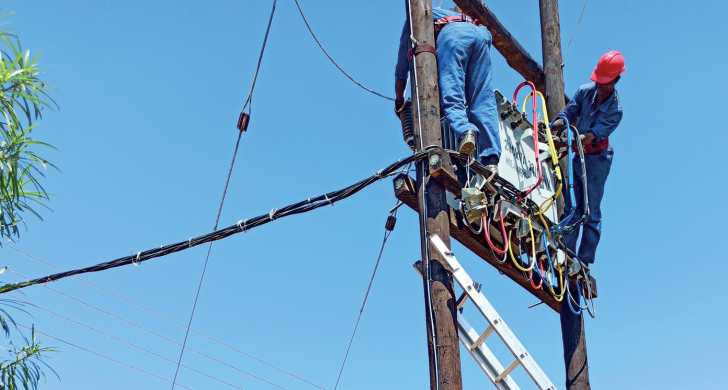
For the local business community, the biggest hurdle is the gap between funding and actual results. Brave Mhone, president of the Renewable Energy Industries Association of Malawi, notes that much of the international money is spent on maintaining an ageing grid rather than expanding it. This means that while the money is there, it is being used for repairs rather than growth. To truly scale up, Malawi needs substantial investment to modernize the grid so it can absorb more power.
The financial pressure is immense. For the 2025/26 financial year, the energy sector faces a financing gap of approximately K447 billion. The government allocated only K21 billion against a total requirement of K468 billion. This massive shortfall threatens the goals of Malawi 2063, which aims to transform the nation into a middle income economy. To meet the government target of 70 percent electricity access by 2030, the country needs an annual growth rate of 12 percent in energy access.
The national power system is under heavy pressure. Egenco officials report that equipment breakdowns, fuel shortages, and rising demand are straining the current capacity. Currently, the grid relies on 444 megawatts, with the vast majority coming from hydro power.
This situation presents a significant mwayi (opportunity) for local entrepreneurs and investors. Because the public budget is limited, the World Bank suggests that mobilizing private sector investment is the only way to accelerate progress. There is a clear opening for businesses specializing in mini grid projects, solar installation, and energy efficiency services.
For those in the bizinesi sector, the focus should be on solving the affordability and connectivity challenges in rural areas. As the government strives for universal access, the demand for reliable, decentralized power solutions will only grow. Investing in technologies that bypass the ageing national grid could provide the fastest route to profitability while helping the country reach its development goals.
What are your thoughts on this business development? Share your insights and remember to follow us on Facebook and Twitter for the latest Malawi business news and opportunities. Visit us daily for comprehensive coverage of Malawi’s business landscape.

- Costly Money Transfers to Malawi Hamper Business Growth – The Times Group - October 6, 2026
- Ministry Acknowledges Challenges for Small Firms, Focus on Path to Growth - October 5, 2026
- Malawi vendor commissions fuel business impact - October 5, 2026