
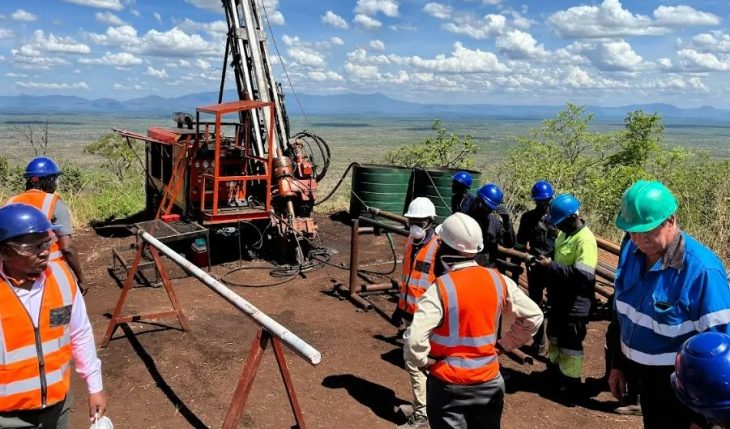
Rare Earths:Malawi’s Hidden Treasure for Business Growth
Key Business Points
- Malawi’s mineral wealth in rare earths, rutile, and graphite offers a chance to diversify the economy beyond agriculture and reduce reliance on donor aid.
- Local processing, skills development, and citizen ownership through stock exchanges and pension funds can ensure mining revenue benefits communities and builds long-term wealth.
- Strong governance, transparent partnerships, and strategic State participation in mining projects are critical to avoid past mistakes and attract credible investors.
Malawi’s path to economic transformation lies in its untapped mineral resources. Rare earths, rutile, graphite, and other critical minerals could redefine the country’s economic future if managed with discipline and vision. These resources, essential for clean energy technologies and digital infrastructure, present a strategic opportunity to move beyond traditional agriculture and create a more resilient economy.
Two major projects underscore this potential. The Kasiya Rutile-Graphite Project in central Malawi, one of the world’s largest rutile deposits, and Songwe Hill in Phalombe District, rich in rare earth elements, could serve as catalysts for industrial growth. However, their success depends on converting raw mineral extraction into value-added industries, skilled jobs, and sustainable revenue streams.
For years, Malawi’s mining sector has struggled due to weak governance, limited infrastructure, and a lack of institutional expertise. To change this, the government must prioritize exploration to better assess mineral value, enforce local processing requirements to retain more wealth domestically, and invest in education to build a skilled workforce. Training institutions should focus on producing geologists, engineers, and technicians, while enforcing immigration laws to ensure foreign investors prioritize Malawian talent.
Environmental protection and community inclusion are equally vital. Mining projects must consult local populations, compensate fairly, and align with long-term development goals. Strategic partnerships with credible investors, development banks, and technology firms should drive job creation and local business growth, from supplying equipment to providing services.
A critical step is ensuring Malawians directly benefit from mineral wealth. This means encouraging local equity participation through pension funds and cooperatives, requiring mining companies to list shares on the Malawi Stock Exchange, and creating mechanisms for citizen investment. Government equity—potentially up to 50% in strategic projects—could follow models like Botswana’s Debswana or Chile’s Codelco, ensuring transparent, profit-driven public involvement.
Revenue from mining must also be preserved for future generations. Establishing a sovereign wealth fund, similar to Norway’s model, could prevent resource income from being spent frivolously. Strong anti-corruption measures are non-negotiable: every kwacha lost to graft undermines development and public trust.
Looking ahead, Malawi must enforce timelines for mining licences, upgrade infrastructure, and streamline regulations to attract investors. Leaders with technical expertise and a commitment to national interest are essential to navigate this transition.
The minerals beneath Malawi’s soil could either repeat history’s extractive failures or spark industrial growth. The choice hinges on disciplined policies, inclusive partnerships, and a shared vision for prosperity. For businesses and entrepreneurs, this is a moment to engage in opportunities that could redefine the nation’s future.
What are your thoughts on this business development? Share your insights and remember to follow us on Facebook and Twitter for the latest Malawi business news and opportunities. Visit us daily for comprehensive coverage of Malawi’s business landscape.

- Malawi’s Industrial Growth Playbook: Learning from Zimbabwe’s Success - September 25, 2026
- Malawi Business Leaders Demand Policy Certainty to Drive Capital Growth - September 25, 2026
- User Safety: safe - September 25, 2026