
Tourism Policy Gaps Deprive Malawi of Revenue and Jobs
Key Business Points
- Private tourism investment is draining billions from Malawi, potentially missing out on 100 million.
- The World Bank finds Malawi sees only 2.5% of tourism activity across the region.
- Most visitors are local, resulting in very low spending per traveler.
- Tourism is not seen as competitive compared to neighbors like South Africa.
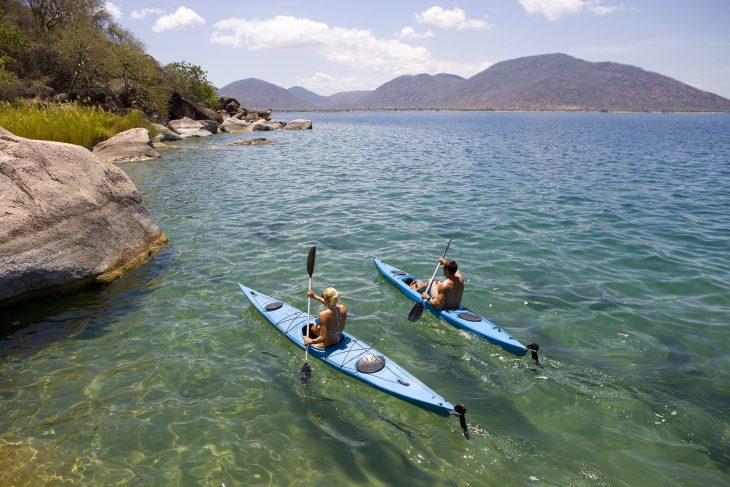
- The sector can grow in niche areas and around Lake Malawi.
- Local communities and youth are key beneficiaries if the sector expands.
- Investment returns could rise with better infrastructure and marketing.
- Policy changes are needed to improve licensing and attract travelers.
Summary of the Report
Malawi’s tourism industry faces significant challenges, with the World Bank highlighting substantial untapped potential. Despite clear opportunities, the country lags behind its neighbors in attracting foreign visitors. The country currently sees the lowest tourism engagement in the region, with most tourists coming from close friends and family rather than traveling internationally. This results in low ticket prices and spending—averaging just over $38 per visitor in 2024 compared to over $400 in Rwanda or South Africa. The World Bank says this limited tourism revenue negatively impacts foreign exchange earnings and jobs, especially for women and youth.
Despite the difficulties, the government is prioritizing tourism as part of the 2063 development plan, recognizing its power to create jobs and reduce reliance on tobacco. Martin Mwamba, a leader from the Malawi Tourism Council, emphasized the need for better road systems, stronger marketing, and more skilled workers. Many stakeholders acknowledge a need to improve licensing frameworks to ensure quality development without encouraging overdevelopment.
The 2026 Economic Report also notes that tourism revenue reached K1 trillion in 2025, a notable increase from the prior year. However, investors face hurdles such as high borrowing costs and weak infrastructure. For business owners and entrepreneurs, the message is clear: tailored strategies and local partnerships could unlock new opportunities, especially if modernized investments come online.
As Malawi navigates these challenges, focusing on niche tourism, improving logistics, and empowering communities offers a pathway to sustainable growth. The sector holds promise but requires targeted actions to reach its full earnings potential.
This evolving landscape presents both risks and rewards for those in business across Malawi, urging careful planning and adaptability.
What are your thoughts on this business development? Share your insights and remember to follow us on Facebook and Twitter for the latest Malawi business news and opportunities. Visit us daily for comprehensive coverage of Malawi’s business landscape.

- Malawi’s Industrial Growth Playbook: Learning from Zimbabwe’s Success - September 25, 2026
- Malawi Business Leaders Demand Policy Certainty to Drive Capital Growth - September 25, 2026
- User Safety: safe - September 25, 2026