
Roads Fund re enters bond market – The Times Group
Key Business Points
- RFA expects to generate K272 billion from the Fuel Levy this year, enabling major road maintenance and expansion projects.
- Toll revenue grew by 96 percent in the first quarter, reaching K1.8 billion as new pricing mechanisms take effect.
- World Bank recommends reducing political interference in state-owned enterprises to improve performance and ease fiscal pressure.
The Roads Fund Administration is forecasting a major leap in revenue after a three-year slowdown, with K272 billion expected this year from the Fuel Levy alone. Director of Finance Alex Makhwatha described this as critical momentum, especially with the recent return of the Automatic Price Mechanism that links fuel costs to market prices. The move has rebuilt confidence among investors and lenders, clearing the path for RFA to enter the bond market once again.
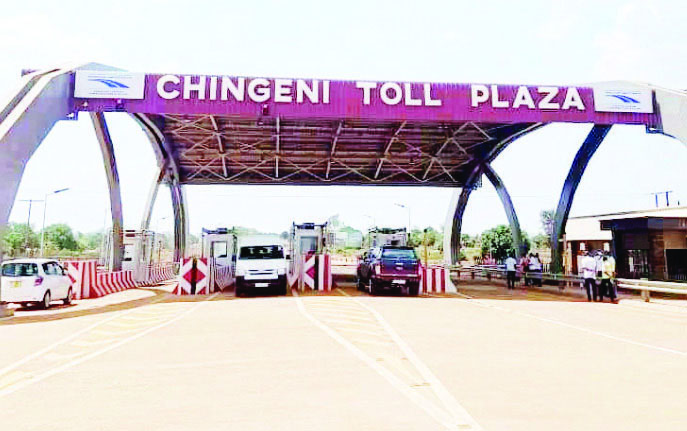
First-quarter results so far support the optimism. Toll fee income shot up nearly 100 percent to reach K1.8 billion, compared to the same period last year. Makhwatha said this shows road users are responding positively to improved facilities and better collection systems.
It also signals a turning point for major construction. The Lilongwe Area 18 Interchange bond, originally set over seven years, has already been repaid in just three. Makhwatha says the next target is to pay off funding for Lilongwe’s six-lane highways ahead of schedule, which will free resources for new projects.
Among the planned developments are four new tollgates—strategically located on the M1 between Mponela and Nkhamenya and along the Mchinji route near Chileka. The strategy is to expand revenue streams while keeping road financing off the national budget.
This is especially important after the short-lived 2022 toll rate cuts that dented receipts, and the three-year suspension of the Road Levy that created an Arrears hole approaching K273 billion. Reinstating the levy and price mechanism has allowed RFA to recommit K100 billion to road upkeep, splitting the amount equally between the main north-south corridor and city road networks.
The International Monetary Fund also weighed in recently, noting that State-owned enterprises, including road agencies, must be shielded from political interference and policy distortions such as tariffs set below cost recovery. The Bank recommends granting such agencies greater autonomy, both in operations and finance, to strengthen governance.
Local markets are also calling for change. John Kamanga, Chief Executive Officer of the Malawi Stock Exchange, urged public institutions to turn to bond markets more actively to diversify funding and reduce dependence on tax revenue. With RFA positioning itself as a credible partner—proven by the earlier early-repayment bond—it is well placed to tap into broader investor interest.
What are your thoughts on this business development? Share your insights and remember to follow us on Facebook and Twitter for the latest Malawi business news and opportunities. Visit us daily for comprehensive coverage of Malawi’s business landscape.

- Malawi Debt Restructuring Paves Path for Business Growth - September 20, 2026
- Mwapata Institute Maps Profitable Pathways in Malawi’s Soybean Value Chain - September 20, 2026
- TNM Introduces Tailored Packages to Elevate Malawi Business Performance - September 20, 2026