
TC Komunikazi’s Grower Tracking System: Empowering Malawi’s Business Future
Key Business Points
- Adopt the new grower tracking system to enhance international market access and secure price premiums for Malawian tobacco farmers.
- Utilize the ESG compliance aspect of the tracking system to meet international standards and attract premium buyers.
- Ensure participation in the licensing exercise by March 2026 to avoid penalties and secure certification for 2026/27 season sales.
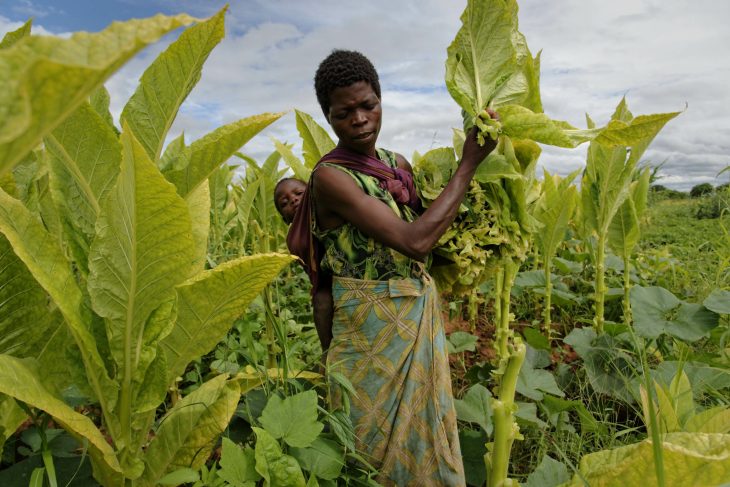
Malawi’s tobacco industry is set to strengthen its foothold in global markets through a new grower tracking system introduced by the Tobacco Commission (TC). The initiative, dubbed the “Know Your Grower” project, aims to create a detailed database of tobacco producers, ensuring traceability from farm to market. This move is critical as it addresses longstanding gaps in transparency, which have previously hindered Malawi’s ability to compete for premium international buyers. For Malawian entrepreneurs and businesses tied to tobacco, this system offers a clear path to unlock higher-value opportunities.
The TC has outlined a phased rollout of the program. Growers must provide personal details, farm data, and production records during the 2026/27 licensing exercise. In the second phase, officials will conduct on-site inspections to verify land and crop information using geo-tagged technology. Participation is mandatory for anyone seeking to sell tobacco during the 2026/27 season, a rule designed to eliminate loopholes in tracking. This mandatory framework ensures uniformity and reliability, which are vital for meeting global ESG (environmental, social, governance) standards increasingly demanded by international markets.
Agricultural economist Christopher Kang’oma emphasized the system’s potential to transform Malawi’s tobacco trade. He noted that a comprehensive grower database could secure market access and price premiums by proving compliance with global traceability requirements. “Meeting ESG criteria isn’t optional anymore,” Kang’oma stated. “It’s a gateway to stabilizing existing sales and attracting buyers willing to pay more for responsibly sourced products.” This aligns with global trends where buyers prioritize transparency, particularly in crops linked to sustainability concerns.
Agriculture extension expert Leonard Chimwaza reinforced this view, highlighting that Malawi’s reliance on auction floors without robust tracking had limited its appeal to premium buyers. He pointed to last season’s record tobacco revenue of $517 million (K905 billion)—Malaysia’s highest in 22 years—as proof of the crop’s economic importance. Tobacco remains a cornerstone of Malawi’s economy, contributing over 50% of export earnings and 13% of GDP. However, Chimwaza warned that without addressing traceability, the sector risks losing ground to competitors who meet stricter standards.
The system’s benefits extend beyond market access. By unifying grower information, the TC aims to improve value chain management, enabling farmers to plan better and policymakers to allocate resources efficiently. Improved production forecasting could also reduce waste and optimize pricing. For local entrepreneurs, this means opportunities to offer services like farm audits or compliance consulting.
While the system’s success hinges on full participation, challenges remain. Smallholder farmers may struggle with the administrative burden of compiling detailed records. Agricultural cooperatives or tech-savvy businesses could step in, offering affordable solutions to help farmers comply. Such support would not only ease adoption but also create new job opportunities in data management and logistics.
The TC’s initiative is a response to global pressures on sustainable supply chains. Malawi’s tobacco sector has faced scrutiny over labor practices and environmental impacts in other markets. By embedding traceability, the country positions itself as a reliable supplier aligned with ESG goals. This could attract European and Asian buyers, who often favor certified sustainable products.
The $517 million haul from tobacco last season underscores the sector’s potential, but sustained growth requires adaptation. Businesses that invest in compliance now will likely benefit as premium markets expand. For Malawian entrepreneurs, the “Know Your Grower” project is more than a regulatory requirement—it’s a chance to modernize operations and tap into higher-value trade.
Entrepreneurs should also consider partnerships with tech firms to develop user-friendly tools for farmers. A mobile app, for instance, could simplify data entry and field inspections. Similarly, logistics companies could leverage the database to offer traceable transport services, adding value to the supply chain.
Ultimately, the traceability system reflects Malawi’s effort to future-proof its agriculture sector. By embracing transparency, the country can reduce reliance on price-volatile markets and build a more resilient economy. For those in the business community, the message is clear: act now to align with global standards or risk being left behind as demand for ethical, traceable products grows.
What are your thoughts on this business development? Share your insights and remember to follow us on Facebook and Twitter for the latest Malawi business news and opportunities. Visit us daily for comprehensive coverage of Malawi’s business landscape.

- Streamlining Trade: Malawi & Mozambique Cut Border Delays for Business Growth - October 24, 2026
- Maize Prices Edge Up in September: Market Analysis for Malawi Investors - October 24, 2026
- IPMM Demands HR Bill Passage to Stabilize Malawi’s Labour Landscape - October 23, 2026