
Tobacco Trouble: Business Impact and Opportunities in Malawi
Key Business Points
- Monitor tobacco price trends and explore alternative markets to protect farm income.
- Reduce production costs by adopting efficient farming techniques and shared input schemes.
- Engage with government and buyers to negotiate fair contracts and improve crop acceptance standards.
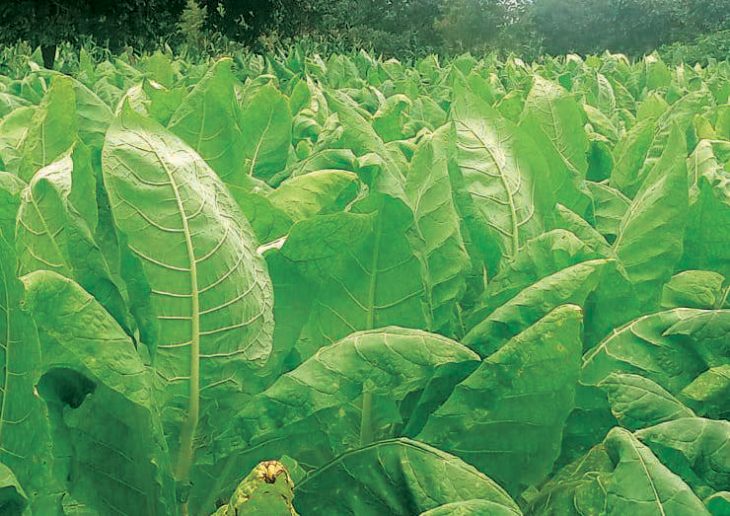
Malawi’s tobacco season, once viewed as a reliable source of foreign exchange and a lifeline for rural families, has become a source of anxiety for growers across the country. Recent reports indicate that many farmers are receiving prices well below the cost of production, while a significant portion of their harvested leaf is being rejected by buyers due to quality concerns. This combination of low returns and high rejection rates is squeezing already thin margins and raising questions about the sustainability of the sector.
The decline in tobacco profitability stems from several interrelated factors. Global demand for Malawi’s traditional burley leaf has softened, prompting international buyers to tighten specifications and offer lower premiums. At the same time, local input costs – including fertilizer, pesticide and labor – have risen sharply, driven by inflation and supply chain disruptions. Farmers who borrowed money to cover planting expenses now find themselves unable to repay loans, increasing the risk of debt distress in rural communities.
Industry experts warn that if the current trend continues, Malawi could lose a significant share of its export earnings. Tobacco has historically accounted for a large portion of the country’s foreign exchange, supporting government budgets and enabling imports of essential goods. A prolonged downturn would not only affect large estate farms but also the thousands of smallholder households that rely on the crop for daily survival.
In response, some farmer groups are calling for a coordinated approach to improve leaf quality and strengthen bargaining power. Proposals include establishing centralized drying and grading facilities, providing training on best agronomic practices, and creating farmer cooperatives that can aggregate volume and negotiate better terms. Additionally, there is renewed interest in diversifying into alternative cash crops such as soybeans, groundnuts or horticulture, which may offer more stable returns and reduce reliance on a single commodity.
Government officials acknowledge the challenges and have pledged to review the tobacco pricing mechanism. Discussions are underway about introducing a floor price scheme, expanding access to affordable credit, and investing in extension services that help farmers meet international standards. Private sector actors, including leaf processors and exporters, are also being urged to share more transparent pricing data and to work with growers on joint quality improvement initiatives.
For Malawi’s business community, the situation highlights both risks and opportunities. Entrepreneurs who can supply affordable inputs, offer post‑harvest handling services, or develop value‑added tobacco products may find a niche market despite the sector’s headwinds. Investors interested in sustainable agriculture could support projects that promote crop rotation, soil health and climate‑smart practices, thereby building resilience in the farming base.
Ultimately, the fate of Malawi’s tobacco season will depend on coordinated action among farmers, buyers, policymakers and financiers. By addressing cost pressures, improving quality and exploring diversification, the country can protect a vital source of income while laying the groundwork for a more balanced and resilient agricultural economy.
Stakeholders should monitor market signals, invest in farmer training and explore public‑private partnerships that strengthen the tobacco value chain while encouraging crop diversification to protect livelihoods and sustain export earnings for Malawi’s economy.
What are your thoughts on this business development? Share your insights and remember to follow us on Facebook and Twitter for the latest Malawi business news and opportunities. Visit us daily for comprehensive coverage of Malawi’s business landscape.

- User Safety: safe - October 17, 2026
- Fiscal Discipline: The Engine Driving Malawi’s Business Growth - October 17, 2026
- Germany’s K40 Billion Investment Fuels Malawi’s Business Growth - October 17, 2026