
Debt Relief Talks Make Progress Breakthrough in Debt Relief Talks
Key Business Points
- The National Treasury and commercial banks are nearing an agreement to restructure loan repayment schedules.
- Heavy debt service costs are reducing the funds available for national development and public services.
- Entrepreneurs and investors should watch for potential shifts in lending rates and credit availability.
By Kingsley Jassi
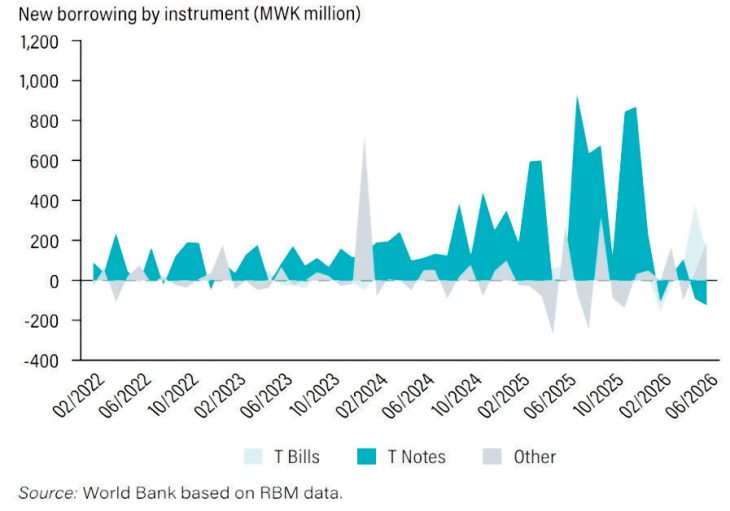
Business leaders across Malawi await news as Treasury and commercial banks move toward a potential settlement. Business Times reports the sides are closer to a formal deal on debt reprofiling to ease pressure on repayment cycles. This moment is critical because past debt costs have squeezed the fiscal space available to the government. This comes as the country navigates tight monetary conditions.
Debt reprofiling simply means adjusting the timeline for when payments are due. Rather than paying large sums all at once, the government seeks to spread these costs over a longer period. For many nations, this is a standard method to manage cash flow. However, the implications for the wider Malawian economy are significant. When the government struggles to meet its financial commitments, it often delays payments to contractors and suppliers. This touches small businesses and local entrepreneurs throughout the supply chain. Such delays stall production and force companies to seek emergency financing at higher costs.
The squeeze on fiscal space is a major concern. Fiscal space refers to the room a government has to spend money without causing harm to its financial stability. Currently, a large share of tax revenue goes toward paying interest and principal on existing loans. This leaves less capital for critical investments in energy, transport, and agriculture. Energy outages and transport issues complicate operations for those expanding further. For investors looking at growth sectors, this dynamic influences how quickly public projects can move forward and how stable the business environment remains.
Commercial banks, which hold a large portion of government debt, play a central role here. They need reassurance that funds will arrive in a way that protects their own lending capacity. If the repayment schedule becomes too stretched, banks may tighten lending standards for the private sector. This is why monitoring mkulo (interest rates) and credit access is essential for every business owner. In local markets, traders often rely on credit to stock goods before the trading season. If banks pull back, inventory planning and profits can shrink.
There is a sense of cautious optimism among industry observers. A successful agreement could restore balance and allow the government to focus more on economic growth and job creation. It would also signal stability to external partners who decide where to place their funds. For Malawian entrepreneurs, this period requires patience and careful planning. Businesses should review their own cash flows to ensure they can withstand any tightening in the credit market. Local suppliers who work with government projects stand to gain the most from any improvement in payment times.
As these negotiations continue, the focus remains on finding a path that protects the public purse while keeping the private sector fluid. The goal is to ensure that ndalama (money) keeps moving through the economy rather than sitting idle in debt service. Stakeholders will need to keep a very close eye on official announcements regarding the final terms. Businesses that adapt strategies now will be best positioned when the market stabilizes. Success here sets a foundation for long term stability in the market.
What are your thoughts on this business development? Share your insights and remember to follow us on Facebook and Twitter for the latest Malawi business news and opportunities. Visit us daily for comprehensive coverage of Malawi’s business landscape.

- Debt Relief Talks Make ProgressBreakthrough in Debt Relief Talks - October 5, 2026
- User Safety: safe - October 4, 2026
- German Investors Target Malawi for Market Expansion - October 3, 2026