
Funding Gap Threatens Malawi’s Economic Growth – What Business Leaders Must Know
Here’s the rewritten article in a journalistic style:
Key Business Points
-
Financing gap widens: Malawi faces deepening SDG funding challenges as global cooperation weakens and climate shocks intensify.
-
Business implications grow: Development delays directly impact infrastructure, market expansion and investor confidence across key sectors.
- Policy reform urgent: The Sevilla Commitment could unlock new financing models, offering opportunities for local entrepreneurs and multinationals.
Global disruptions are tightening access to capital for development projects, with Malawi among the most vulnerable economies facing decades of progress reversal. According to the United Nations, an increasing number of developing countries are struggling to meet Sustainable Development Goals (SDGs) amid a worsening financing squeeze.
The situation is compounded by weakened global cooperation, escalating trade barriers, heightened geopolitical tensions and recurring climate-related shocks. The UN warns of an "alarming assault on multilateralism" as aid declines, environmental costs rise and debt servicing becomes increasingly burdensome.
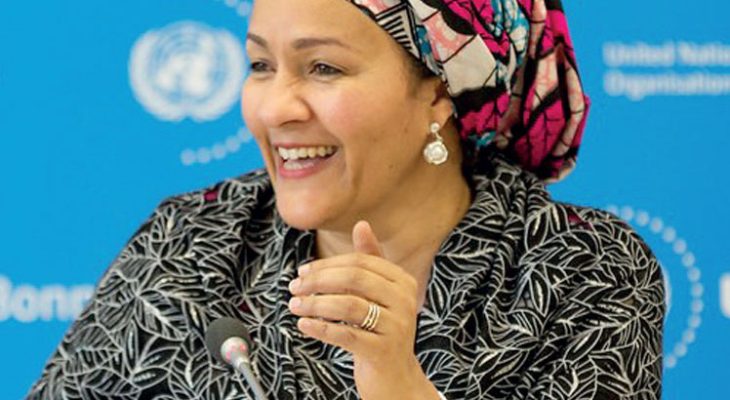
"Global development requires working together for common goals to avoid reversing the gains of what has been painstakingly built," said UN Deputy Secretary-General Amina Mohammed following the release of the 2026 Financing for Sustainable Development Report.
The Sevilla Commitment, adopted at the Fourth International Conference on Financing for Development in Spain, represents a critical global agreement to reform international financial architecture. The commitment aims to address debt crises and close the estimated US$4 trillion annual SDG financing gap affecting developing nations.
Malawi’s progress presents a mixed picture. Analysis of SDG implementation reveals substantial progress in key areas including health (Goal 3), clean water access (Goal 6) and life below water (Goal 14). However, the country continues to lag significantly in poverty eradication (Goal 1), reduced inequalities (Goal 10) and life on land (Goal 15).
Economic Association of Malawi president Bertha Bangara-Chikadza highlights the interconnected nature of these challenges. "When SDGs are off-track, the MIP-1 dashboard, which continues to track progress while showing the reality on the ground, also reveals the reality of the country’s development," she explained.
The National Planning Commission acknowledges the significant headwinds facing Malawi’s development trajectory. Director General Frederick Changaya noted that funding constraints and various economic shocks continue to impede progress on national priorities.
For Malawi’s business community, these challenges translate into concrete considerations for investment strategy. The funding gap affects infrastructure development, skills training programs and market expansion opportunities that businesses require for growth. However, the Sevilla Commitment’s implementation could unlock new financing mechanisms, creating potential opportunities for both local entrepreneurs and international investors.
With the 2030 SDG deadline approaching and Malawi’s Vision 2063 timeline underway, the convergence of global finance reform and national development planning presents both risks and opportunities. Businesses should closely monitor developments in international financing architecture, as these changes could reshape market conditions and investment landscapes across key sectors of Malawi’s economy.
What are your thoughts on this business development? Share your insights and remember to follow us on Facebook and Twitter for the latest Malawi business news and opportunities. Visit us daily for comprehensive coverage of Malawi’s business landscape.

- Study Exposes Malawi Food Supply Chain Gaps That Hurt Profits - September 24, 2026
- World Bank Charts Malawi’s Investment Blueprint - September 24, 2026
- Malawi’s 2030 Ambition: A Blueprint for Business Growth - September 24, 2026