
How Malawi’s Govt Challenges Businesses to Prioritize Ethics and Growth
Key Business Points
- Respect for workers’ rights and communities in the investment climate is not just ethical but crucial for business sustainability and project success
- UN principles on business and human rights align with Malawi’s push for sustainable, decent work, especially in mining and agriculture
- Government and partners are developing a draft National Action Plan to align Malawi with global best practices and reduce conflict over business-related human rights violations
Malawi is edging closer to a comprehensive legal framework that sets clear expectations for how businesses treat workers and communities. The Minister of Justice and Constitutional Affairs, Charles Mhango, says guidelines on business and human rights will help create decent jobs across key sectors, including mining, tea estates, and tobacco.
The guidelines are not intended as barriers to businesses, but rather as a means to improve investment by ensuring responsible practices that benefit both companies and local stakeholders. "Respect on Malawian workers is very important for both business development and decent work," Mhango said. He was speaking at a meeting in Lilongwe that validated Malawi’s National Action Plan on business and human rights, aligning the country with UN principles.
The meeting gathered insights from partners and business representatives, reviewing a draft from a technical committee that has consulted widely. The document will be presented for government approval and is expected to help resolve mounting concerns from workers and communities who feel their rights are not being respected in business dealings.
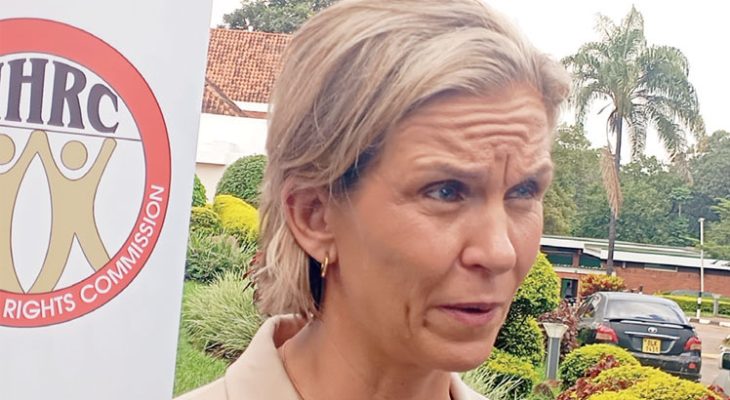
Fenella Frost, the UNDP resident representative, commended Malawi for being an early African adopter of such guidelines. She described them as "a tool for reducing risks by promoting responsible investment, environmental stewardship, and clear avenues for resolving grievances before conflicts escalate." She added that a strong human rights framework also protects the environment, strengthens social cohesion, and supports a stable development path.
Polycarp Kondowe, executive director of a non-governmental organisation, praised the move as overdue. "These guidelines ought to have been introduced a long time ago," he said. "It is right to strengthen workers’ rights across all sectors, especially small and medium enterprises, to restore dignity and reduce unsustainable exploitation."
Lucius Pendame, deputy director at the Malawi Human Rights Commission, confirmed that the commission regularly receives complaints from both workers and communities about rights violations linked to business operations. His office supports the policy shift as a necessary intervention.
The coming policy is expected to reduce risks and costs for businesses, lowering the likelihood of conflicts that can harm reputations and bottom lines. For entrepreneurs, it points to a more predictable and stable operating environment – and for workers, it promises greater protection and respect. In boma 2025, aligning with global standards is not just an obligation but a practical step towards sustainable development.
What are your thoughts on this business development? Share your insights and remember to follow us on Facebook and Twitter for the latest Malawi business news and opportunities. Visit us daily for comprehensive coverage of Malawi’s business landscape.

- MCCCI Alerts: Fuel Shortage Endangers Malawi’s Business Growth - October 7, 2026
- K82 Million Monthly Revenue: Malawi’s Water Bottling Opportunity - October 6, 2026
- CFTC Calls for Deeper Regional Ties to Expand Malawi’s Market Access - October 6, 2026