
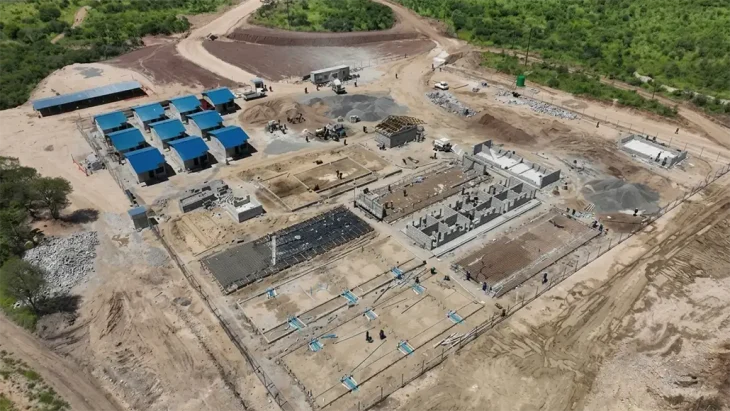
Lawful Mining Licenses: Driving Business Growth in Malawi
Key Business Points
- Lindian Resources Limited holds a valid medium-scale mining licence for Kangankunde Rare Earth Project, operating legally and on track to achieve first production in late 2026.
- Rare earth production in Malawi could diversify the global supply chain, reduce reliance on China, and unlock significant foreign exchange earnings.
- The projected $114 million (roughly K205.2 billion) annual revenue from Kangankunde highlights the potential for sustained economic growth if challenges are addressed.
Malawi’s rare earth mining sector has entered a pivotal phase with Lindian Resources Limited advancing its Kangankunde Rare Earth Project despite persistent public misconceptions. The company, which owns the Balaka District mine, has clarified that its mid-scale mining licence remains valid and in compliance with national regulations, dismissing claims of illegal activity. ministers and industry experts emphasize that the project aligns with Malawi’s strategic push to diversify mineral exports and bolster economic resilience.
The controversy began when government officials and MPs called for Lindian to upgrade its mid-scale licence to a large-scale permit. This move sparked speculation about illegal mining, fueled by public misunderstandings of the phased development process. Lindian’s response, backed by independent inspections by the Ministry of Mining, confirmed no unauthorised extraction occurred at Kangankunde. “The Ministry of Mining has confirmed our licence is valid and our operations are lawful,” stated company executive chairperson Robert Martin. “We are focused on achieving first production by the fourth quarter of 2026.”
Geoscience expert Ignatius Kamwanje, speaking to Nation magazine, attributed the rumors to a lack of public awareness about mining processes. “When rights were transferred for Kangankunde, communication gaps led to speculation,” he explained. Kamwanje clarified that the company needs to build an ore stockpile to ensure stable production post-commissioning—a routine step for large-scale projects. “People think we’re digging randomly, but this is systematic planning to guarantee long-term efficiency.”
Industry stakeholders, including Chamber of Mines and Energy coordinator Grain Malunga, view the project as a milestone for Malawi’s mineral sector. “After a decade of effort, this mine symbolizes our transition to sustainable, revenue-generating mining,” Malunga noted. If the Kangankunde project succeeds, it could transform Malawi from a consumer of foreign rare earth elements to a producer, enhancing trade balances and reducing dependency on imports—particularly from China, which dominates global rare earth supply.
The financial potential of Kangankunde is staggering. A feasibility study by this year’s National Statistical Office estimates the mine will generate $114 million annually over 40 years. This aligns with global trends as the United States and European nations seek alternatives to Chinese rare earth dominance. For Malawi, the project represents more than profit—it’s a strategic asset to stabilize markets during global supply chain disruptions.
Kangankunde’s rich ore stockpile (261 million metric tonnes, containing 2.19% total rare earth oxides) includes a high-grade starter zone of 26 million tonnes earmarked for early production. While first production is set for October 2024, commercial exports may take longer. However, the project’s timeline is already boosting investor confidence. The Australian-listed Lindian Resources has listed on the Australian Securities Exchange, signaling its ambition to grow this offering into a flagship asset.
Local entrepreneurs and business owners could benefit indirectly through supply chains tied to rare earth processing. While the mine initially focuses on raw material extraction, downstream industries like advanced battery manufacturing or electronics could emerge locally in the future. Entrepreneurs might explore partnerships with firms supporting mining logistics or environmental compliance—a critical component for Malawi’s regulators.
Chichewa-speaking business communities may also leverage this opportunity by promoting awareness of legal mining’s economic benefits. Community engagement is key to dispelling myths; educating locals about phases like sampling and stockpiling could reduce public skepticism. “People need to understand that mining isn’t just about digging—it’s a science,” Kamwanje said. This mindset shift could create job opportunities and foster trust in such projects.
Malawi’s government has framed Kangankunde as part of a broader strategy to attract foreign direct investment (FDI) in mining. “Rare earths aren’t just rocks—they’re a gateway to technology sectors that can modernize our economy,” Minister for Mines Thomas Mangoma has hinted. If successful, this could inspire similar projects in other eastern or northern regions rich in untapped minerals like coltan or copper.
However, challenges remain. Technical hurdles, such as ensuring milling facilities meet global standards, could delay timelines. Additionally, Malawi’s lack of a robust refining industry raises concerns about value addition. If Kenya or Rwanda emerge as regional refineries, Malawi’s role might remain as an exporter of raw materials—a path with lower profit margins.
For now, Lindian Resources and local stakeholders must prioritize transparency. Clear communication with regulators and the public will be vital to securing the large-scale permit upgrade. The government’s stance—backing Lindian’s compliance—suggests a policy environment open to legal, regulated mining. However, businesses must remain agile, anticipating both opportunities and bureaucratic delays.
The Kangankunde project isn’t just about rare earths; it’s a test case for Malawi’s ability to manage complex, high-impact industries. Success here could position the country as a mineral hub in southern Africa, mirroring Rwanda’s coffee export model or Zimbabwe’s diamond trade but with a focus on advanced materials.
For Malawian entrepreneurs, the lesson is clear: align with projects that leverage the country’s geological wealth while addressing gaps in education and infrastructure. Meanwhile, investors should weigh risks against the $114 million potential annual payout—a figure that could fund schools, hospitals, or green energy projects nationwide. As Kamwanje reminds us, “This isn’t a quick fix. It’s a long-term investment in Malawi’s economic identity.”
The stakes are high, but so are the rewards. Whether you’re a farmer exploring supply chain partnerships or a tech startup eyeing rare earth applications, this project offers a glimpse into a future where local businesses thrive alongside global markets. Malawi’s path forward may be rocky, but with focused effort, Kangankunde could become a beacon of what’s possible.
What are your thoughts on this business development? Share your insights and remember to follow us on Facebook and Twitter for the latest Malawi business news and opportunities. Visit us daily for comprehensive coverage of Malawi’s business landscape.

- Debt Crisis Threatens Malawi’s Growth Outlook, Business Leaders Warn - September 29, 2026
- Rudevit opens Malawi’s first fertilizer plant, spurring agricultural growth – The Times Group - September 28, 2026
- State Owned Enterprises: A Critical Pivot for Malawi’s Economic Future - September 28, 2026