
Leverage Malawi’s Productive Capacity to Accelerate Business Growth
Key Business Points
- Assess production capacity and fix energy or transport bottlenecks that keep output low.
- Pursue value addition in agriculture and natural resources to cut import dependence and raise zululula.
- Join business groups such as MCCCI to push for policy consistency, affordable financing, and better infrastructure.
Malawi’s productive capacity remains one of the weakest in the world, according to new data from UN Trade and Development. The country ranks 186 out of 195 economies on the UN Productive Capacities Index, scoring only 25.5 out of 100. This is barely up from 24.8 in 2021. The index covers 2000 to 2024 and uses 43 indicators across eight areas. Malawi’s lowest scores are in transport at 7.7 and energy at 20.7. Private sector capacity scored 22.1, while information and communications technology scored 22.5.
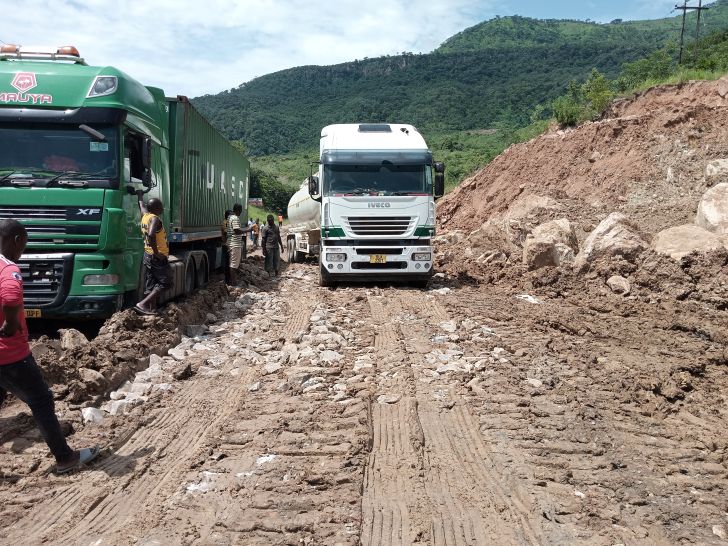
For business owners, these numbers mean higher costs and limited market reach. Poor roads and unreliable power raise the cost of doing business, making it harder for local firms to compete. The UN report notes that reliable transport lowers transaction costs and connects regions, while energy access allows firms to adopt modern tools and join wider value chains.
Natural resources remain a strength. Malawi scored 56.4 in natural capital and 45.6 in institutions. The African Development Bank estimates natural capital makes up about 52 percent of the economy, with agriculture contributing around 25 percent. This suggests opportunity for entrepreneurs who can add value to farm products instead of exporting raw goods.
Capacity use is another concern. A recent MCCCI Business Climate Survey found that 51.9 percent of firms operate below 50 percent capacity, 37 percent run between 50 and 75 percent, and only 11.1 percent exceed 75 percent. Most companies are not producing at full potential because of infrastructure gaps, financing limits, and inconsistent policies.
Speaking at the 36th Malawi International Trade Fair, MCCCI president Ronald Ngwira said Malawi has the resources to transform its economy, but reliable energy, affordable financing, improved infrastructure, and policy consistency are critical for growth and investment. He stressed that better connectivity must lower costs and help Malawian enterprises compete effectively.
Transporters Association of Malawi spokesperson Frank Banda added that infrastructure improvements should benefit Malawian businesses, workers, and the wider economy, not just improve the country’s ranking on an index.
Government officials say they are focusing on policies and investments to strengthen domestic industries, promote value addition, and reduce import dependence. Ministry of Industrialisation, Business, Tourism and Trade representative Simon Itaye said these steps aim to stabilise the economy and create space for local entrepreneurs.
For Malawi’s business community, the path forward involves practical steps. Firms should audit energy and logistics costs, look for ways to process raw materials locally, and work through chambers of commerce to shape policy. A stronger nyengo yabwino ya business will depend on collaboration between the private sector and government to fix transport, secure power, and make credit accessible. Entrepreneurs who act now on value addition and efficiency can turn Malawi’s natural advantages into real growth and lasting zululula.
What are your thoughts on this business development? Share your insights and remember to follow us on Facebook and Twitter for the latest Malawi business news and opportunities. Visit us daily for comprehensive coverage of Malawi’s business landscape.

- Malawi’s Non‑Performing Loans Drop to 3.6% – New Opportunities for Business Expansion - October 16, 2026
- Leverage Malawi’s Productive Capacity to Accelerate Business Growth - October 16, 2026
- Malawi forex crunch threatens fertilizer price relief, raising business costs - October 16, 2026