
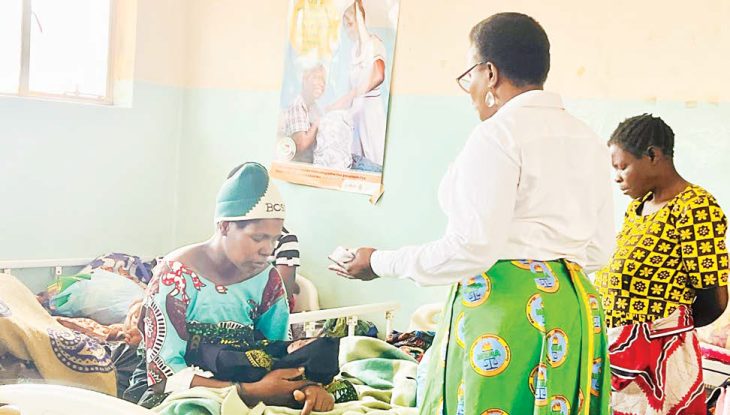
Mera Directs Donations to Mothers, Reinforcing Corporate Role in Malawi’s Economy
Key Business Points – Allocate resources to community health for higher productivity. – Fund women‑focused business programs to grow local talent. – Integrate corporate social responsibility into brand strategy. The recent donation by the Malawi Energy Regulatory Authority (MERA) to Mitundu Community Hospital highlights the growing importance of corporate social responsibility in the country’s business environment. The female staff members contributed soap, soya pieces, brooms and mops to support new mothers and guardians at the facility. This act of generosity reflects a broader trend of companies linking community well‑being with economic growth. Mitundu Community Hospital handles an average of thirty deliveries each day, facing challenges such as food insecurity and limited space. By providing essential supplies, MERA helps alleviate some of these pressures, illustrating how private sector involvement can complement public health efforts. From a business perspective, such initiatives can enhance employee morale and strengthen brand loyalty. When staff see their organization contributing to social causes, they often exhibit higher engagement and productivity. Moreover, companies that invest in local health outcomes may benefit from a healthier workforce, which is essential for sustained economic development. The donation also aligns with the growing emphasis on women’s empowerment. By supporting mothers, MERA indirectly promotes female entrepreneurship and workforce participation. In Malawi, where women constitute a significant portion of the labor market, ensuring their health and well‑being is crucial for inclusive growth. Business leaders are encouraged to consider similar community‑focused investments as part of their strategic planning. Integrating social responsibility into core operations not only addresses pressing social issues but also creates market opportunities and fosters stakeholder trust. Looking ahead, partnerships between the private sector, non‑governmental organizations and government agencies could amplify impact. Such collaborations can mobilize resources more efficiently and drive sustainable development across regions. In M’malawi, the example set by MERA may inspire other entities to adopt purpose‑driven business models that balance profit with social impact. As the country continues to seek investment and innovation, the role of corporate citizenship will remain a key factor in shaping a resilient economy. Moreover, the growing emphasis on sustainable development offers a strategic avenue for Malawi’s private sector to align profit with purpose. Firms that adopt green technologies and reduce their carbon footprint can attract environmentally conscious consumers and investors. The government’s commitment to renewable energy projects, such as solar and wind installations, creates a fertile ground for entrepreneurial ventures seeking to supply equipment and services. In addition, the rise of digital transformation enables businesses to streamline operations, reach new markets, and improve customer experiences. By leveraging e‑commerce platforms, local producers can transcend geographical constraints and access national and international buyers. Furthermore, fostering inclusive finance initiatives can empower underserved communities, driving social equity while expanding the customer base. As Malawi continues to integrate into regional trade networks, the importance of logistics infrastructure and efficient supply chains becomes paramount. Investing in transportation and storage facilities will not only reduce costs but also enhance competitiveness. The convergence of innovation, policy support, and market demand suggests that the business landscape in Malawi is poised for significant growth in the coming years. Stakeholders who prioritize long‑term value creation and community well‑being are likely to emerge as leaders in this evolving ecosystem. Strategic partnerships between government, private sector, and civil society are essential for sustained growth in the region today.
What are your thoughts on this business development? Share your insights and remember to follow us on Facebook and Twitter for the latest Malawi business news and opportunities. Visit us daily for comprehensive coverage of Malawi’s business landscape.
