
Malawi Economic Trends Shift
Key Business Points
- Brace for currency crisis. Malawi’s dollar exchange rate gap—now K2,249 between official and parallel markets—demands urgent action to avoid economic collapse.
- Fixing rates without reforms backfires. The Reserve Bank’s frozen exchange policy hasn’t solved forex shortages; experts warn it worsens distortions.
- Boost exports or face stagnation. Reviving export-ready industries and attracting investment is critical to strengthen forex reserves and curb inflation.
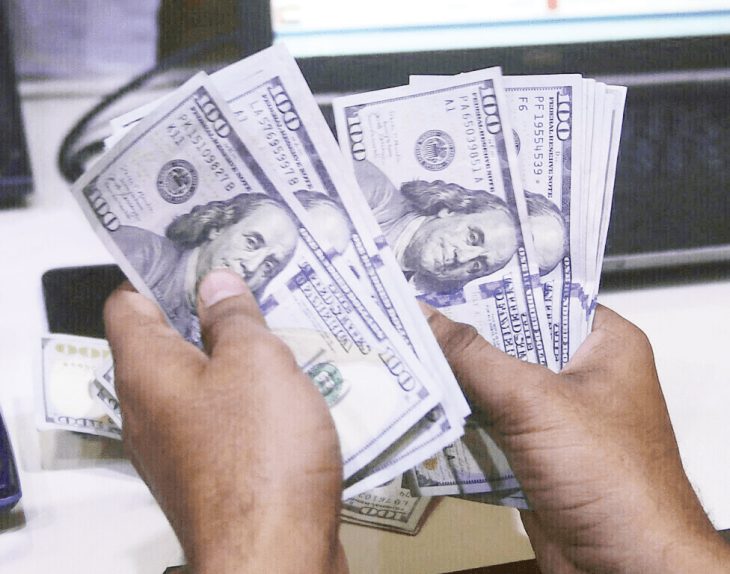
Malawi’s exchange rate crisis underscores the urgency for strategic reforms to avert further economic turmoil. The Reserve Bank of Malawi (RBM) has fixed the official dollar rate since April 2024, following a devaluation to K1,700—a move tied to an IMF Extended Credit Facility (ECF) program. However, the IMF acknowledges this policy has diluted the benefits of the November 2023 devaluation, while inflation hit 32.3% in 2024, pushing businesses and households to the brink. The parallel market, driven by forex scarcity, now trades at K4,000 per dollar, creating a 128% spread that fuels speculation and undermines financial stability.
Structural weaknesses persist
Economists stress that Malawi’s fixated exchange rate, coupled with redundant IMF agreements, ignores deeper structural issues. The 2023 ECF arrangement automatically ended in May 2025 without a single review, leaving the economy exposed. With international reserves covering less than two weeks of imports—a level Francenese Thauzeni of the Malawi School of Government calls “unrealistic”—the country faces a perfect storm: currency chasing, inflationary pressure, and dwindling investor confidence.
Export-driven growth as the solution
RBM highlights that resolving forex shortages requires expanding productive capacity and boosting export earnings. Private-sector initiatives like agro-processing, textile manufacturing, and tourism-driven ventures are pivotal. For instance, Malawian coffee and tobacco—key commodities—could see renewed demand if export infrastructure improves. Business journalist sources note that the National Economic Recovery Plan emphasizes tax breaks and streamlined trade policies to incentivize small and medium enterprises (SMEs), a sector that constitutes 90% of Malawi’s private economy. However, experts stress reforms must be coupled with anti-corruption measures and regulatory clarity to attract long-term investment.
Parallel market chaos demands action
The parallel rate’s volatility—spiking to K5,000 in February 2025 before settling at K4,000—reveals systemic inefficiencies. Maribam Bandewa, an economist, argues that devaluations alone cannot curb currency chasing without addressing transactional inefficiencies. For businesses, this means extending settlement deadlines and increasing dollar liquidity in local transactions. Conversely, malpractice under the current exchange system benefits illicit forex trading, which the RBM says must be curtailed through stricter oversight and digital payment incentives.
Opportunities amid crisis
Despite the crisis, Malawi’s tourism sector, targeting 1.5 million annual visitors by 2027, offers untapped potential. Investors eyeing hospitality ventures could leverage dollar-denominated tourism revenue to bypass exchange rate constraints. Similarly, tech startups and agribusinesses utilizing blockchain for transparent transactions may bypass parallel market volatility. Yet success hinges on government collaboration: easing import duties for imported machinery and prioritizing foreign direct investment in value-added industries.
In sum, while Malawi’s currency woes threaten growth, the path to stability lies in revitalizing exports, incentivizing innovation, and fostering transparency. Entrepreneurs must pivot toward dollar-resilient sectors while policymakers prioritize structural reforms—key steps to mitigate risks and seize opportunities in a fragile market.
What are your thoughts on this business development? Share your insights and remember to follow us on Facebook and Twitter for the latest Malawi business news and opportunities. Visit us daily for comprehensive coverage of Malawi’s business landscape.

- Malawi Debt Restructuring Paves Path for Business Growth - September 20, 2026
- Mwapata Institute Maps Profitable Pathways in Malawi’s Soybean Value Chain - September 20, 2026
- TNM Introduces Tailored Packages to Elevate Malawi Business Performance - September 20, 2026