
Malawi’sEconomic Shift: Key Impacts for Business Leaders
Key Business Points
- Malawi’s declining economic freedom score must urgently improve to foster investment and growth.
- The shrinking formal labor market risks long-term productivity and tax revenue losses.
- Infrastructure and governance reforms are critical to unlock business potential and reduce poverty.
Malawi’s economic challenges are vividly highlighted in the latest Index of Economic Freedom report, which shows the country slipping to 143rd globally and 33rd in sub-Saharan Africa. This drop, from a score of 53 in 2021 to 50.7 in 2026, underscores a lack of investor confidence and stifled business activity. For Malawi’s entrepreneurs and investors, this means fewer opportunities unless systemic issues are resolved swiftly.
The heritage Foundation, which tracks economic freedom, attributes Malawi’s struggles to outdated rules, poor infrastructure, and weak labor systems. Many businesses operate in shadows due to unclear legal frameworks, while poor roads and unreliable electricity hinder trade. As one report states, “The poor quality of physical and legal infrastructure… has been a serious impediment to long-term economic development.” For local enterprises, improving infrastructure isn’t just a government task—it’s a partnership that could spark growth.
A key concern is the over-reliance on informal jobs, now at 93% of the workforce, up from 85% in 2013. This informal economy, while vital for survival, lacks protections and taxes. Ironically, Malawi’s poverty-fighting efforts are hampered by this trend. The National Planning Commission (NPC) warns that without formalizing jobs, the country can’t achieve stable growth. For business owners, this presents a dual challenge: hiring skilled workers in formal sectors is harder, but tapping into untapped formal markets could yield rewards.
Infrastructure and governance remain the most pressing levers for change. The world Bank’s analysis links Malawi’s economic instability to “unsustainable fiscal policies” and rising debt. This translates to higher costs for businesses, from loans to taxes. However, the Malawi National Recovery Plan, part of the Malawi 2063 plan, offers a roadmap. If prioritized, investments in digital infrastructure, flood-resistant roads, and energy projects could transform rural businesses. As NPC director General Frederick Changaya notes, “Sustainable macroeconomic stability requires deliberate improvements in productivity and resource allocation.”
The informal sector’s expansion isn’t just a statistic—it’s a risk to job quality. Many Malawians work in unregulated roles without health benefits or pensions. For entrepreneurs, this means competition from low-cost unregistered providers but also a chance to offer better services. For example, a farmer using basic tech to formalize sales could access grants while improving income.
Global advocates like the Centre for Green Economy stress that poverty reduction needs eco-friendly growth. Malawi, rich in agriculture and minerals, could leapfrog to green jobs. Solar energy companies, for instance, might thrive as the government pushes for renewable targets. Communities could benefit if local businesses adopt eco-practices, aligning with global demand.
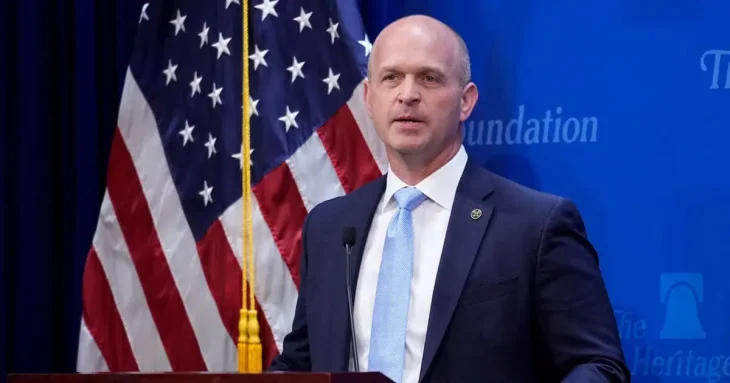
Political will is key. The Ministry of Finance has launched recovery initiatives, but their success hinges on enforcement of policies. Anti-corruption measures and transparent planning are essential. As Kevin Roberts of the Heritage Foundation calls it, economic freedom isn’t just policy—it’s about “nourishing civil society and improving quality of life.” For Malawians, this means businesses that create jobs ethically and communities that demand accountability.
The labor market profile shows another flip side: Malawi’s youth unemployment is soaring. With 70% of the population under 30, the informal sector may absorb many, but without upskilling, this could fuel discontent. Businesses investing in vocational training or affordable childcare might gain loyal clients while addressing social needs.
The economic freedom decline also raises questions about Malawi’s global standing. A lower score discourages foreign investment, yet local talent remains underexploited. Tech startups in Lilongwe or Blantyre could bridge gaps if supported. Partnerships between global firms and Malawian innovators might create niche markets, from agri-tech to renewable energy.
While challenges are steep, opportunities exist. Reforming land rights or customs procedures could ease trade. The Africa Continental Free Trade Area (AfCFTA) offers a chance if Malawi meets standards. For exporters, navigating bureaucracy now might pay off later.
In short, Malawi stands at a crossroads. Businesses can advocate for policy changes, invest in infrastructure gaps, or pivot to green and digital sectors. The informal economy’s size shouldn’t overshadow its potential—formalizing parts of it could stabilize incomes and boost national revenue. Asмпотencial for growth is clear, but it requires courage to act.
Businesses in Malawi must adapt, but also push for systemic change. The cost of inaction—poverty, inflation, and lost exports—is high. Conversely, those who embrace reforms early may lead a quieter economic revival. The clock is ticking, but the rewards could be profound.
What are your thoughts on this business development? Share your insights and remember to follow us on Facebook and Twitter for the latest Malawi business news and opportunities. Visit us daily for comprehensive coverage of Malawi’s business landscape.

- Malawi Debt Restructuring Paves Path for Business Growth - September 20, 2026
- Mwapata Institute Maps Profitable Pathways in Malawi’s Soybean Value Chain - September 20, 2026
- TNM Introduces Tailored Packages to Elevate Malawi Business Performance - September 20, 2026