
Malawi’s Tobacco Sales Surge Past Half, Yet Earnings Stay Thin—What Businesses Must Know
Key Business Points
- Prioritize contract sales and improve leaf quality to secure higher prices.
- Limit auction market exposure and find new buyers to lower rejection risk.
- Adjust planting volumes and timing to match current demand and avoid overproduction.
Key Business Points
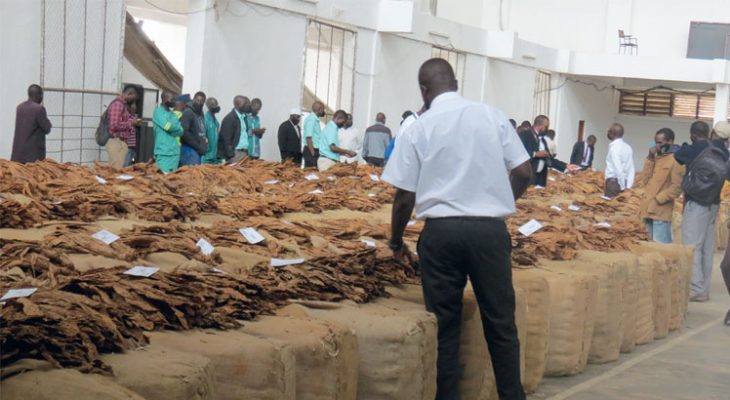
The tobacco season opened on April 20, 2026 with an average price of $2.17 per kilogram. Since then the price has dropped six percent to $2.04 per kilogram, cutting total earnings to $202 million, a decline of 36.7 percent compared with the $319 million recorded in the same period last year. More than half of the projected 197 million kilogram crop has been sold, representing 99 million kilograms in the first twelve weeks. The commission reports that contract farmers account for 97.2 percent of sales while auction participants manage only 41.3 percent, giving an overall uptake of 92.6 percent. The rejection rate for auction tobacco remains high at 58.7 percent, indicating that many auctioned lots are not sold. Lower prices and limited buyers are pressuring revenue.
Tama Farmers Trust president Abiel Kalima Banda described the market performance as worrying, saying that despite the strong uptake of contract tobacco, farmers have very little remaining stock and expect production to fall short of the initial 197 million kilogram target. Kalima Banda warned that prices should rise toward the end of the season but are continuing to fall, leading farmers to feel they have been misled. The perception that low prices stem from overproduction is being challenged; evidence suggests output matches or falls below actual demand.
The Tobacco Commission’s second‑round production estimate placed total output at 197 million kilograms, about 14 percent above buyer demand of 170 million kilograms. The number of active buyers fell from eleven last season to eight this year, raising concerns about demand pressure. Current buyers include JTI Leaf (Malawi) Limited, Alliance One Malawi, Limbe Leaf Tobacco, Hail and Cotton (Malawi), Premium Tobacco, Associated Central African, African Tobacco Services and Nyasa Manufacturing.
Last season’s harvest reached 221 million kilograms, exceeding licensed volumes of 174.4 million kilograms and meeting a demand of 213 million kilograms, and generated a record $542 million at an average price of $2.46 per kilogram. The contrast between this season’s lower price and higher volume illustrates the challenges facing Malawian tobacco growers. The shift toward contract sales offers a more stable revenue path, while the persistent weakness of the auction segment signals a need for strategic buyer diversification. Monitoring price trends and aligning planting decisions with real‑time demand will be critical for sustainable profitability. Entrepreneurs may explore value‑addition opportunities such as leaf processing or branded products to capture more margin amid volatile pricing. Local investors can consider partnerships with contract growers to secure supply and improve market access. Farmers should kubwela with buyers to negotiate better terms and improve conditions.
What are your thoughts on this business development? Share your insights and remember to follow us on Facebook and Twitter for the latest Malawi business news and opportunities. Visit us daily for comprehensive coverage of Malawi’s business landscape.

- Streamlining Trade: Malawi & Mozambique Cut Border Delays for Business Growth - October 24, 2026
- Maize Prices Edge Up in September: Market Analysis for Malawi Investors - October 24, 2026
- IPMM Demands HR Bill Passage to Stabilize Malawi’s Labour Landscape - October 23, 2026