
Malawi SMEs turn fuel shortages into profit
Key Business Points
- Leverage the current fuel shortage to expand sales of essential food and snack items near filling stations.
- Build stronger customer relationships and maintain affordable prices to turn temporary queue traffic into lasting sales.
- Seek formal support and reliable suppliers to protect the opportunity once fuel supplies return.
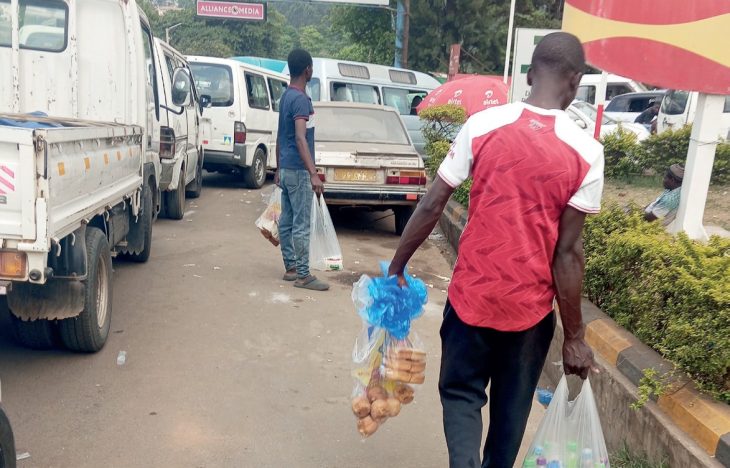
Malawi’s ongoing fuel shortage has turned long queues at service stations into a short‑term market for informal traders. Motorists wait for petrol and diesel, and the concentration of customers at each station has boosted the sales of nearby vendors. Mary Naitha, a small‑scale seller of nsima and rice at Mount Pleasant TotalEnergies in Blantyre, says demand spikes whenever fuel runs out. “I make my best sales during fuel crises,” she explains. “I have paid off nearly K400 000 through this business, a sum that would have taken years under normal conditions.” Emmanuel Thom, who roasts groundnuts, reports similar growth, noting that drivers become his main market and his turnover is far higher than during periods of stable supply.
Economists point to the shortage as a catalyst for informal entrepreneurship. Veli Nyirongo, a Malawian economist based in Scotland, says the shortage benefits traders selling everyday products such as food, groundnuts and sugarcane because people now buy what is closest rather than travel far. However, Christopher Mbukwa, a lecturer at Mzuzu University, cautions that these gains are temporary. “Small businesses must convert temporary demand into regular customers by keeping affordable prices, ensuring consistent quality, securing reliable suppliers and focusing on daily needs,” he advises. He also highlights that limited access to working capital remains a major hurdle for many micro‑enterprises.
The Malawi Union of Micro, Small and Medium Enterprises warns against treating queue‑side trading as a permanent fix. President James Chiutsi stresses that the situation should prompt the government to formalise informal ventures, provide skills training, market linkages and safe operating spaces. Without such policy support, entrepreneurs risk being pushed back into poverty once fuel supplies normalize.
Entrepreneurs should also consider joining local business associations to gain access to training, financing options and networking opportunities. Access to credit can help cover inventory costs and improve cash flow during the shortage. Building a reputation for quality and reliability will attract repeat customers beyond the fuel queues. In addition, exploring alternative income streams such as selling fresh produce or offering mobile services can diversify revenue. The current situation is a reminder that market disruptions can create pockets of opportunity, but sustainable growth requires planning, resilience and a willingness to adapt. By focusing on these steps, Malawi’s informal traders can turn the fuel crisis into a catalyst for lasting economic progress.
Policymakers should also create incentives for informal sellers to transition to formal registration, which will improve tax collection and open doors to larger markets. Investing in better storage and transport will reduce spoilage and keep product quality high, ensuring customers return again and again.
What are your thoughts on this business development? Share your insights and remember to follow us on Facebook and Twitter for the latest Malawi business news and opportunities. Visit us daily for comprehensive coverage of Malawi’s business landscape.

- Malawi’s Industrial Strategy: A Missed Chance for Local Producers - November 5, 2026
- Malawi SMEs turn fuel shortages into profit - November 4, 2026
- Production led growth: new opportunities for Malawi business and investors - November 4, 2026