
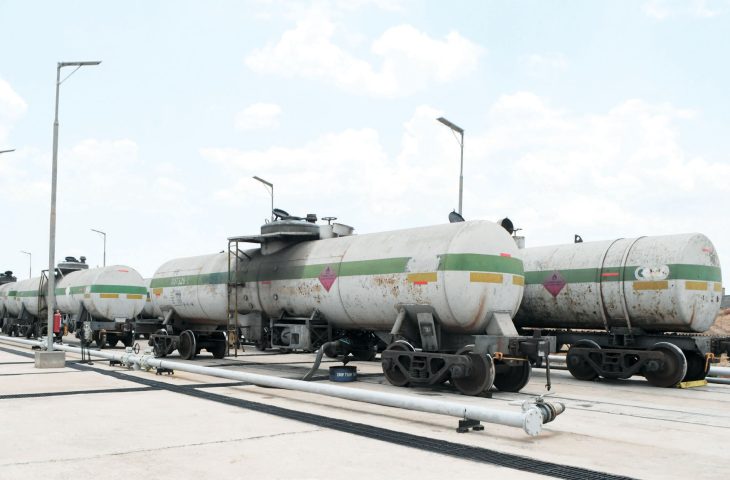
Malawi’s 84% Fuel Import Surge Raises Business Costs
Key Business Points
- Local businesses must prepare for significantly higher transportation and production costs as the fuel import bill surges.
- Mabizinesi should explore kugulitsa (efficient fuel use) to protect their profit margins during this economic pressure.
- Investors need to monitor mfundo zotha (foreign exchange) shifts closely, as the steep rise in fuel costs will impact overall economic stability.
Malawi is digging deeper to pay for fuel, with new statistics showing a dramatic shift in the country’s import expenses. The fuel import bill surged by 84 percent to reach $343.1 million, which translates to over K600.6 billion, during the second quarter of 2026. This massive increase highlights the heavy financial burden currently weighing on the national economy and directly affects how mabizinesi (businesspeople) operate across the nation every single day now. The sheer scale of this expenditure signals a critical turning point for local supply chains and everyday commerce.
The sharp rise in fuel costs translates to an immediate challenge for local entrepreneurs and small business owners. When the cost of imported petroleum products climbs this steeply, the expense of moving goods from ports to regional markets also climbs. For small and medium sized enterprises, this means the cost of getting products to customers will inevitably rise. As a result, consumers should expect to see zochuluka zochepa (higher prices) on basic food commodities in the coming weeks. Business owners will need to find creative ways to absorb these rising costs or pass them on carefully to survive the tightening market conditions.
This trend also places immense pressure on Malawi’s foreign exchange reserves. Paying for fuel requires hard currency, and a spike of this magnitude drains the country’s available dollars rapidly. The Reserve Bank of Malawi must manage this difficult situation carefully to ensure the ngongole (currency) remains stable. A weaker kwacha makes future imports more expensive, creating a difficult and frustrating cycle for importers and exporters alike. Everyone in the trade sector feels the squeeze when the exchange rate moves unfavorably. This instability threatens to slow down overall economic growth across the board.
For local entrepreneurs looking to navigate this turbulent period, strategic planning is absolutely essential. Finding ways to reduce fuel consumption can help protect profit margins and keep businesses afloat. Many businesses are already looking at makhaliro a m’mudzi (local alternatives) or optimizing their logistics to cut down on unnecessary trips across the country. By doing so, otsegula bizinesi (business managers) can keep their operations running smoothly despite the global and regional price hikes affecting the import market.
Furthermore, this development serves as a stark reminder of the urgent need to diversify Malawi’s energy sources. Relying so heavily on imported fossil fuels leaves the economy vulnerable to global price shocks. Ngongole yolimba (investment) in renewable energy and local fuel production could offer a long-term solution for the country. If local and international investors focus on sustainable energy projects, the country can reduce its vulnerability and build a more resilient economic foundation for future generations.
The current situation demands urgent attention from everyone involved in the economic landscape. While the government works to secure supply and manage foreign reserves, business owners must adapt quickly to the changing financial reality. By staying informed and adjusting their operational strategies, mabizinesi can weather this storm and identify new ways to thrive in a challenging market environment. The path forward requires resilience, but those who act now will be best positioned for future success.
What are your thoughts on this business development? Share your insights and remember to follow us on Facebook and Twitter for the latest Malawi business news and opportunities. Visit us daily for comprehensive coverage of Malawi’s business landscape.

- Malawi’s 84% Fuel Import Surge Raises Business Costs - September 16, 2026
- Rising water tariffs raise business expenses in Malawi - September 16, 2026
- Malawi banks urged to fund mining investments - September 16, 2026