
Malawi’s Coal Sector Faces Funding Gaps: Business Implications
Key Business Points
- Invest in modern mining technology to improve efficiency and reduce reliance on foreign imports.
- Build stronger ties with the government to secure financing and create a supportive legal framework.
- Utilize existing reserves to generate revenue and protect foreign exchange for other critical sectors.
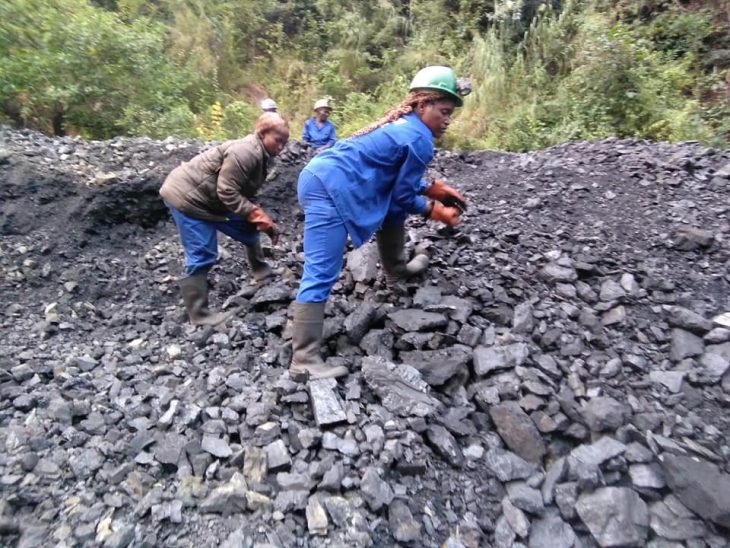
The Coal Mines Association of Malawi recently convened a formal meeting with the newly appointed director general of the Mines and Minerals Regulatory Authority, Lloyd Muhara, to urge the government to prioritize large-scale coal mining projects. Chairperson Hastings Jere delivered a powerful address in Lilongwe, highlighting the sharp disconnect between the nation’s vast natural resources and its current economic reality. He stressed that while Malawi sits on enormous coal deposits, the country still depends heavily on imported fuels for key industries such as cement manufacturing. This reliance on external supplies creates a heavy drain on foreign exchange, which could otherwise be invested in local development and infrastructure.
One of the primary concerns raised by Jere centers on the need for significant investment in modern mining technology. He pointed out that local miners operate with outdated equipment, which severely hampers production rates and increases operational costs. Without updated machinery, small-scale operations cannot compete effectively with established players. The association is actively lobbying financial institutions to change their risk assessment criteria. They argue that banks often refuse to lend to local miners simply because they lack sufficient collateral. This creates a dangerous cycle where potential investors shy away from the sector, fearing instability. Therefore, creating a stable credit environment is a top priority for any investor looking to enter the market.
Geologist Grain Malunga provided additional context regarding the quality of the resource. He assured the audience that Malawi’s coal is among the best in the world, yet the bottleneck remains the processing technology. He explained that the issue is not the sheer quantity of coal found underground, but rather the inability to extract it profitably. To make informed decisions, the industry needs a comprehensive evaluation of the country’s geological maps. Only then can stakeholders determine the exact tonnage available for exploitation. This data-driven approach is essential for attracting serious capital into the sector.
The economic data supports the urgency of this shift. The 2026 Malawi Government Annual Economic Report indicates that the nation holds approximately 22 million metric tonnes of coal reserves. In contrast, the actual production in 2023 was a modest 62,000 metric tonnes. This stark discrepancy highlights a massive inefficiency in the current system. For business owners, this presents a clear opportunity to participate in a rapidly growing market. The government has identified coal as a cornerstone for future growth, yet the lack of exploration funding leaves the country vulnerable to price fluctuations in the global market. Such volatility discourages long-term planning for both local and foreign firms. This uncertainty forces many firms to delay expansion plans until clearer guidelines emerge.
Regulatory clarity is equally vital. The formation of the association marks a strategic move toward organization. By uniting various mine operators, the group aims to present a united front to the MMRA. This coordination simplifies compliance and makes it easier for the state to monitor environmental standards and safety protocols. As Chimwemwe Bandazi, an inspector at the regulatory authority, noted, the association acts as a bridge between the industry and the state. Their goal is to foster an ecosystem where innovation thrives alongside traditional practices. This collaborative effort can turn the tide against energy insecurity.
In summary, the path forward requires a dual focus on technology and policy. Local coal is a strategic asset that can drive substantial economic growth if properly managed. Entrepreneurs should seek out opportunities that involve technology transfer and rural employment. The government must continue to lead exploration efforts to unlock the full potential of the 22 million metric tonne reserve. By aligning private ambition with public strategy, Malawi can transform its coal heritage into a sustainable engine for national prosperity. Proactive engagement with both the state and private miners will define the next decade of growth. Success depends on balancing immediate profits with long-term sustainability goals.
What are your thoughts on this business development? Share your insights and remember to follow us on Facebook and Twitter for the latest Malawi business news and opportunities. Visit us daily for comprehensive coverage of Malawi’s business landscape.

- Ministry Acknowledges Challenges for Small Firms, Focus on Path to Growth - October 5, 2026
- Malawi vendor commissions fuel business impact - October 5, 2026
- Debt Relief Talks Make ProgressBreakthrough in Debt Relief Talks - October 5, 2026