
Malawi’s Fresh IMF Agreement: Business Opportunities and Risks
Key Business Points
- IMF ECF negotiations underway: Malawi is set to resume talks with the IMF to rejoin the Extended Credit Facility (ECF), which could bring $175 million in financial support. Businesses must prepare for macroeconomic reforms to strengthen stability and attract foreign investment.
- Focus on structural reforms: Talks will emphasize fiscal discipline, public finance management, and anti-corruption measures. Companies reliant on imports must brace for stricter policies to manage currency stability.
- Investor confidence boost: Successful IMF engagement could restore donor trust, ease forex shortages, and lower borrowing costs. Entrepreneurs should align growth plans with IMF conditions to access resources.
Malawi has initiated talks with the International Monetary Fund (IMF) to resume the Extended Credit Facility (ECF) program, a lifeline for low-income nations facing economic turmoil. This follows the termination of a four-year, $175 million ECF loan in May 2025, which left the country with a $140 million shortfall. The IMF delegation is expected to arrive mid-June 2025 to discuss reviving the facility, which focuses on macroeconomic stability, fiscal policy reforms, and structural adjustments.
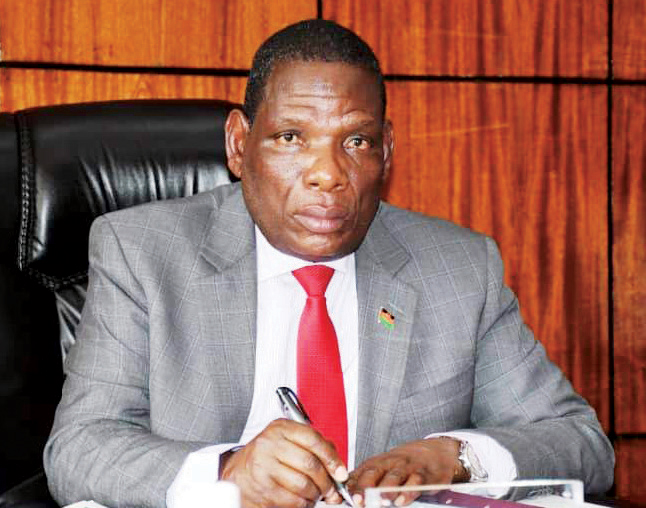
Finance Minister Joseph Mwanamvekha emphasized that the government has no plans for currency devaluation, signaling a commitment to preserving Malawian kwacha stability. “The discussions will focus on restoring economic stability through sound fiscal policies,” he stated. Nelnan Koumtingue, the IMF’s resident representative in Malawi, outlined that the mission’s primary goal is to align local policies with the fund’s criteria for concessional lending. The ECF typically requires reforms in public finance management, debt sustainability, and governance—a challenge for Malawi, which previously defaulted on IMF loans in 2015 over austerity measures.
Bertha Chikadza, president of the Economics Association of Malawi, noted that a successful agreement could attract foreign exchange inflows and signal credibility to investors. “IMF-backed programs ensure external stakeholders, like banks and donors, trust Malawi’s stability,” she explained. However, she stressed that compliance with reforms—such as tight spending controls and transparent tax collection—will be critical. “Without consistent implementation, capital flight and inflation risks will persist.”
Economists like Marvin Banda urged swift action to recalibrate public expenditure. Malawi’s 2025 inflation rate of 18%, driven by rising food and fuel costs, has eroded household purchasing power and business revenues. The Central Bank of Malawi has already raised interest rates to 14% to curb spending, but small enterprises face liquidity crunches. Banda called for reforming state-owned enterprises, which drain resources through underperforming subsidiaries like Nyasa Water and Sewer Corporation.
Structural reforms remain contentious. The IMF demands better public financial management, including e-procurement systems to reduce graft. Entrepreneurs in Bazana [markets] and industrial hubs like Blantyre need transparent supply chains and lower bureaucratic barriers to thrive. Chikadza urged the government to prioritize reforms in agriculture—Malawi’s economic backbone—to align with export targets. “Exporting $1 billion worth of tea and tobacco annually could offset import dependency, but inefficiencies in logistics and tariffs hinder growth.”
Experts caution that while the ECF could lower borrowing costs for local firms, it may require reprioritizing domestic budgets. Sectors like manufacturing and tourism, which create jobs, could benefit from stable exchange rates and reduced import costs. Chikadza advised entrepreneurs to leverage the IMF process to lobby for infrastructure investments, such as the unfinished Dedza-Kasungu road expansion, which would lower transportation costs for goods in Central Malawi.
Malawi’s private sector must navigate cautious optimism. While ECF revival could ease pressure on the kwacha and reduce usurious forex market rates, businesses must adopt productivity-driven models. Value addition, like processing raw materials locally, could insulate firms from global price swings. “Importers must prepare for tighter credit assessment, pushing them to strengthen balance sheets,” warned Banda.
The success of the IMF talks hinges on political unity and administrative agility. A fragmented approach risks derailing negotiations, as seen in past default episodes. For Malawian businesses, the coming weeks could redefine access to foreign capital and market stability. As Koumtingue noted, “This is not just fiscal technicality—it’s a test of Malawi’s long-term competitiveness.” Companies that align with reforms early will position themselves as stakeholders in a more open economy, where trust spells growth in a region-wide effort to rebuild post-pandemic.
What are your thoughts on this business development? Share your insights and remember to follow us on Facebook and Twitter for the latest Malawi business news and opportunities. Visit us daily for comprehensive coverage of Malawi’s business landscape.

- Malawi Debt Restructuring Paves Path for Business Growth - September 20, 2026
- Mwapata Institute Maps Profitable Pathways in Malawi’s Soybean Value Chain - September 20, 2026
- TNM Introduces Tailored Packages to Elevate Malawi Business Performance - September 20, 2026