
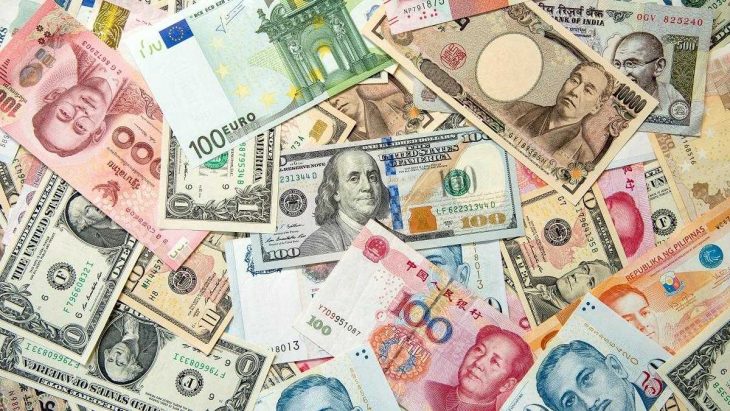
Malawi’s Kwacha Weakening: Navigating Business Challenges Against Rand and Pound
Key Business Points
- Kwacha weakening: The local currency has lost value against the South African rand and British pound, raising import costs for businesses.
- Forex scarcity: Limited foreign exchange continues to pressure firms, with a gap between official and parallel rates threatening price stability.
- Inflation risk: Experts warn depreciation could push non‑food inflation up by 3‑5 %, affecting consumers and producers alike.
Malawi’s business community is facing a fresh round of challenges as the kwacha’s perekede (depreciation) against key trading currencies deepens. Reserve Bank of Malawi (RBM) data reveal that the kwacha traded at K105.36 to the South African rand on June 30. By last week the rate had slipped to K108.50, a 2.89 % drop. Against the British pound the local unit weakened from K2,290.44 to K2,346.60, a 2.39 % decline over the same period. The currency remained steady against the US dollar at K1,751 and saw a slight gain versus the euro.
The rand and pound moves are concerning because South Africa remains Malawi’s largest trading partner. Official figures show annual imports from South Africa are valued at roughly $500 million (about K875 million), accounting for up to 15 % of total imports. As the kwacha’s kumawala (weakening) raises the cost of these goods, firms that rely on South African products face higher zowonjezera (additional) expenses.
Forex scarcity remains a core issue. The gap between the official dollar rate (K1,751) and the parallel market (around K4,000) is widening, limiting access to hard currency for importers and manufacturers. Nico Asset Managers Limited highlighted this in its August 2026 Monthly Economic Report, noting that while a stable dollar keeps fuel prices steady, the rand depreciation threatens inflation.
Economic analyst Edward Leman of the University of Malawi explained that demand for South African imports is driving the kwacha’s weakness. “Demand for foreign currencies is still higher than supply,” he said. He added that Malawi could turn the labor export trend to its advantage, leveraging remittances to shore up reserves despite occasional xenophobic incidents in South Africa.
Bertha Phiri, executive director of the Malawi Economic Justice Network, linked exchange rate swings directly to inflation pressure. Studies by RBM and the International Monetary Fund estimate an exchange‑rate pass‑through of 0.3 to 0.5 within 12 months. In practical terms, a 10 % kwacha depreciation can raise non‑food inflation by three to five percent, a significant jump given that the Consumer Price Index includes fuel, transport, packaging and spare parts.
The thin foreign exchange market compounds the problem. When businesses anticipate higher import costs, they often raise prices in advance, fueling a cycle of inflation. July’s inflation rate stood at 20.8 %, down slightly from 21.1 % in June, driven by easing food inflation. However, non‑food inflation continued its upward trend, reflecting the impact of currency movements and limited import availability.
RBM Governor George Partridge, speaking at a recent consultation on the National Economic Recovery Plan, noted that foreign currency still circulates but pricing distortions create severe market pressures. He called for policies that improve kuchitira nsanje (smooth operation) of the forex market and reduce the disparity between official and parallel rates.
For Malawi’s entrepreneurs, the current environment underscores the need to diversify supply sources, improve cash‑flow management, and explore alternative financing as the kwacha remains vulnerable. Monitoring remittance flows and seeking to capitalize on the sizeable Malawian diaspora in South Africa could provide a buffer against further currency pressure.
What are your thoughts on this business development? Share your insights and remember to follow us on Facebook and Twitter for the latest Malawi business news and opportunities. Visit us daily for comprehensive coverage of Malawi’s business landscape.

- Malawi’s Kwacha Weakening: Navigating Business Challenges Against Rand and Pound - September 13, 2026
- Igniting Malawi’s Banana Renaissance: Business Strategies for Investors and Entrepreneurs - September 13, 2026
- User Safety: safe - September 13, 2026