
Malawi’s Sacco Success: A Model for Economic Growth and Opportunity
Key Business Points
- United Civil Servants Sacco achieved a surplus of K15.7 billion and declared a K4.6 billion dividend for the 2024-25 financial year, positioning it as a strong financial institution.
- Membership surged by over 15,000, driving loans 40% higher to K48 billion and assets to K72 billion, highlighting the power of scale in cooperative models.
- Government is pushing digital expansion targeting civil servants and the diaspora, while pushing finance and tax departments to resolve delayed contributions which hamper capital flow.
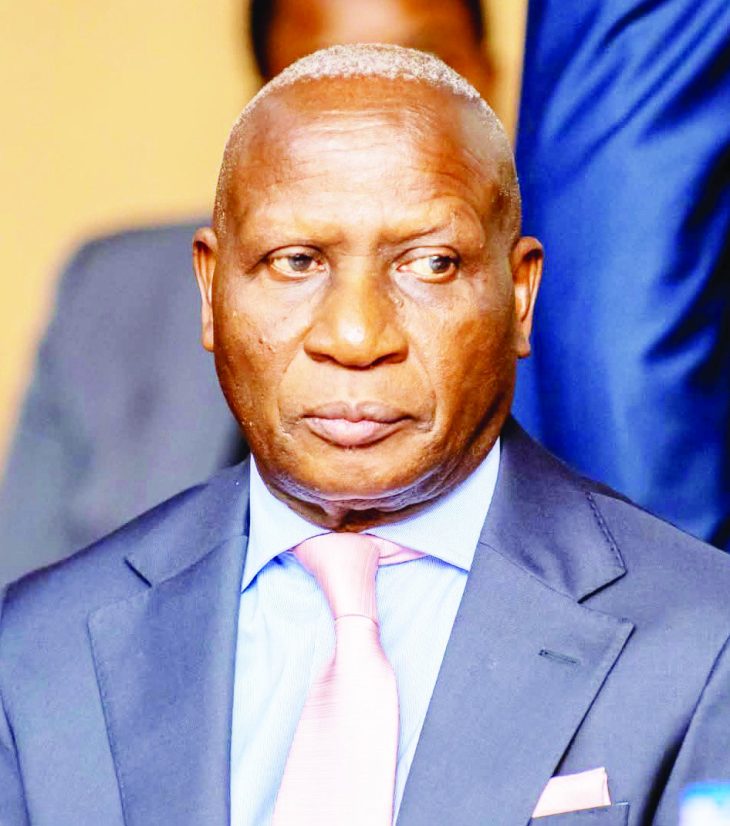
Since 2024, United Civil Servants Sacco has shown rapid financial growth that matches commercial banks — recording a remarkable K15.7 billion profit and distributing K4.6 billion in dividends. Speaking at the recent annual general meeting, Minister of Industry, Trade and Tourism Simon Itaye praised the institution for its "enviable profit comparable to major commercial operations," calling on civil servants to see SACCOs not just as savings vehicles but as an alternative pension scheme that can ensure financial independence in later years.
Itaye stressed that regular, automated savings would allow members to retire with dignity and without relying solely on state pension. To widen that impact, his office plans to collaborate with MusCCO – the Malawi Union of Savings and Credit Cooperatives to raise awareness among senior public officers, ministers, directors, and leaders in the private sector with campaigning targeted to conclude by fiscal year-end.
A parallel effort aims to resolve long-running problems — delayed remittance of deductions by ministries and government departments which slow capital into SACCOs — and the high costs charged by third-party institutions that process these payments. Tackling both issues could substantially unlock further growth potential.
Operational advances already underway are paying off, United Civil Servants Sacco CEO Francis Waliwa said. The arrival of more than 15,000 new members in the reporting year gave the Sacco greater liquidity to expand loans by 40% to around K48 billion. Total membership now stands at 92,000, with an aggressive longer-term target of 500,000. Much of this expansion is likely to come via digital channels that tap civil servants outside central hubs and those in the diaspora, where cost-effective access is vital.
Asset holdings have more than doubled from K40 billion to K72 billion, consolidating a stronger balance sheet and widening the lending base. Waliwa highlighted that SACCO success is fundamentally a "game of numbers" — more members translates into larger pools of deposits, which in turn fund larger portfolios of loans and drive profitability.
For business owners, entrepreneurs, and policymakers in Malawi, the Sacco’s trajectory is telling. It shows how cooperative finance models can scale into significant financial institutions, providing an alternative to banks for both saving and borrowing. If government addresses contribution delays and transaction costs, even faster capital deployment could follow, widening access to affordable credit across sectors. The planned expansion into digital services also signals a clear direction for how Malawi’s financial inclusion agenda could bridge both geographic gaps and bureaucratic bottlenecks — opportunities well worth watching.
What are your thoughts on this business development? Share your insights and remember to follow us on Facebook and Twitter for the latest Malawi business news and opportunities. Visit us daily for comprehensive coverage of Malawi’s business landscape.

- Malawi Debt Restructuring Paves Path for Business Growth - September 20, 2026
- Mwapata Institute Maps Profitable Pathways in Malawi’s Soybean Value Chain - September 20, 2026
- TNM Introduces Tailored Packages to Elevate Malawi Business Performance - September 20, 2026