
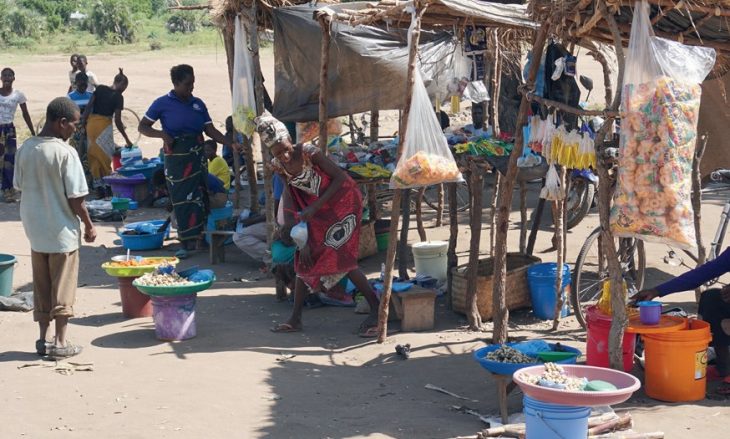
Ministry Acknowledges Challenges for Small Firms, Focus on Path to Growth
Key Business Points
- Small and medium enterprises (SMEs) should prioritise value addition and export markets to earn foreign currency while cutting reliance on costly imports.
- Owners must prepare for power outages by adopting solar energy and manage procurement to avoid losses from foreign exchange delays and rising prices.
- Local traders can use the Simplified Trade Regime with Tanzania to move goods under $1 000 duty-free, reducing cross-border expenses significantly.
Malawi SMEs Seek Relief as Economic Pressures Mount
Business leaders across Malawi are urging the government for stronger backing as small and medium enterprises (SMEs) struggle against a harsh operating climate. The Ministry of Industrialisation, Business, Trade and Tourism has confirmed that limited access to affordable finance, persistent foreign exchange shortages and regular power cuts are slowing national growth and limiting investment opportunities.
Deputy Minister Edgar Tembo noted that the sector contributes roughly 40 percent of gross domestic product and 24 percent of employment, making its stability vital for the country. Yet he admitted concessional financing remains a key concern for most small business owners during the recent launch of the Mzuzu SMEs Expo and Farmers Market. Tembo added that limited access to new technology, including artificial intelligence, continues to hold businesses back from reaching their full potential. Tembo emphasized that these hurdles threaten the livelihoods of millions relying on this sector.
Tembo encouraged local entrepreneurs to increase production for export markets to boost foreign exchange earnings. He highlighted the Simplified Trade Regime signed with Tanzania, allowing small traders to move goods valued under $1 000 without heavy duties. Import substitution remains the long-term goal to curb leakage and support local industry.
Daisy Kambalame, chief executive officer of the Malawi Confederation of Chambers of Commerce and Industry, described the expo as a place to solve trade challenges they face. She advised SMEs to schedule operations around alternative power sources such as solar during blackouts. She added that the economy only thrives when businesses generate forex through quality goods and use certification help from the Malawi Bureau of Standards. Kambalame stressed that planning ahead allows firms to survive power interruptions.
Ernest Banda of Roroea Essentials shared how hard it is to keep stock flowing. Forex approval delays cost businesses money because suppliers raise prices while orders wait. He noted that sourcing from bureaus de change at higher rates hurts profitability for local entrepreneurs. This creates uncertainty when ordering essential stock from abroad for the coming season.
University of Malawi lecturer Edward Leman warned that inflation at 20 percent leaves little room for monetary relief. Combined with fuel queues and unreliable energy supply, the cost of doing business is rising. Malawi Union of Small and Medium Enterprises president James Chiutsi agreed, stating that a 24 percent policy rate is too expensive for firms to survive the current market conditions. This pressure makes it hard for many small businesses to plan ahead.
Minister Simon Itaye said the government is targeting foreign exchange leakages as an immediate measure to ease the shortage affecting the broader economy. For business owners, the path forward requires discipline and adaptation. Local traders should focus on selling goods within the region to earn ndalama without depending solely on imported stock. Planning for energy independence and seeking thandizo through existing trade agreements offers the best route to resilience.
What are your thoughts on this business development? Share your insights and remember to follow us on Facebook and Twitter for the latest Malawi business news and opportunities. Visit us daily for comprehensive coverage of Malawi’s business landscape.

- Ministry Acknowledges Challenges for Small Firms, Focus on Path to Growth - October 5, 2026
- Malawi vendor commissions fuel business impact - October 5, 2026
- Debt Relief Talks Make ProgressBreakthrough in Debt Relief Talks - October 5, 2026