
Navigating Malawi’s Forex Reforms: Opportunities and Risks for Investors
Key Business Points
- Formalize foreign exchange (forex) access through RBM reforms to reduce reliance on informal channels, ensuring predictable currency flow for businesses.
- Boost export-driven growth by leveraging improved forex rates for agribusiness, tourism, and manufacturing to generate foreign earnings.
- Prioritize import substitution and reserve restoration by supporting industries that reduce dependency on dollar imports.
Malawi’s forex market reforms show early promise but face lingering challenges that demand urgent business attention. The Reserve Bank of Malawi (RBM) has made strides in stabilizing the economy through policy adjustments, yet foreign exchange shortages and critically low reserves remain pressing issues. These developments carry significant implications for business owners, entrepreneurs, and investors navigating Malawi’s evolving economic landscape.
The Afreximbank African Trade Report 2026 highlights mixed progress. Forex reserves grew by 0.9 percent in 2025 compared to a 29 percent decline in 2021, yet official reserves still halved from $400 million to $200 million. Import cover—the time it takes to pay for imports with available reserves—plummeted from 1.4 months to under one month, far below the benchmark of three months. This suggests Malawi remains vulnerable to external shocks, such as global commodity price swings or reduced tourism revenue.
The RBM has implemented targeted interventions to curb this crisis. In 2024, it cut the mandatory forex conversion rate for exports from 30 percent to 25 percent, a move designed to incentivize companies to convert earnings into local currency. For nonprofits and certain importers, the bank also reduced conversion ratios and introduced verification requirements to combat informal forex dealings. These steps aim to streamline legal transactions and strengthen the formal forex market, which is critical for business operations.
Yet, experts caution that progress is fragile. RBM spokesperson Boston Banda acknowledged improvements in price discovery—a process where buyers and sellers agree on fair forex rates—but stressed that the economy’s reliance on exports and tourism remains unsustainable. “The reforms create a foundation for adjustment, but without scaling exports or attracting investment, reserves will struggle,” he stated. Similarly, Daisy Kambalame of the Malawi Confederation of Chambers of Commerce and Industry called the reforms “insufficient.” Businesses still face delays and high costs in accessing dollars, stifling growth.
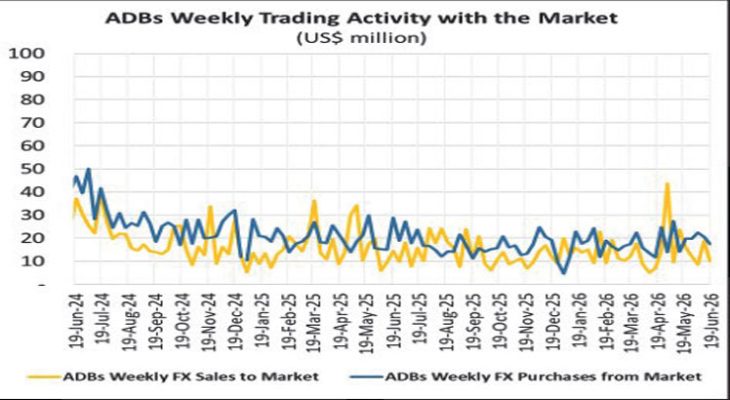
The World Bank’s Malawi Economic Monitor underscores systemic distortions in RBM’s forex operations. Over five years, the central bank sold $3.1 billion in forex while buying $2.56 billion, resulting in a net $600 million loss. This forced the government to cover fiscal gaps through promissory notes, diverting resources from development projects. Such fiscal strain weakens investor confidence and hampers long-term planning for businesses.
For Malawian entrepreneurs, the situation demands adaptive strategies. Companies in priority sectors—agriculture, tourism, and manufacturing—should prioritize export diversification. For instance, boosting sales of Malawian-grown tea or textiles to regional markets could increase forex inflows. Tourism, which suffered during the pandemic, offers another avenue. Investors could target infrastructure projects that enhance visitor access or support local businesses in this sector.
Import substitution remains vital. RBM’s policy changes aim to reduce reliance on imported goods by making it cheaper for local firms to produce alternatives. Businesses in food processing or construction could capitalize by focusing on domestic demand, easing forex pressure. However, this requires government support in the form of tariffs on imports or subsidies for local producers.
A critical flaw in Malawi’s forex system is the lingering use of informal channels. Even with RBM’s reforms, many businesses still rely on unregulated sources to meet forex needs, fueling price volatility. Encouraging formal transactions through simplified banking processes or partnerships with fintechs could help. For example, mobile payment platforms could integrate forex services, making it easier for small businesses to convert earnings.
Malawi’s economic recovery hinges on balancing short-term fixes with structural reforms. While RBM’s actions provide a safety net, businesses must advocate for policies that drive export competitiveness. This could include tax incentives for export-oriented firms or investments in export logistics. Additionally, addressing forex shortages requires boosting remittances from Malawians abroad—a potential $1 billion inflow annually if harnessed effectively.
The road ahead is challenging but not insurmountable. Policymakers, businesses, and financial institutions must collaborate to turn reforms into tangible benefits. For starters, entrepreneurs should actively engage with RBM’s updated forex rules to minimize conversion losses. Investors might explore partnerships in sectors aligned with Malawi’s comparative advantages, such as hydroelectric power or horticulture.
In the end, Malawi’s economic health cannot be separated from its forex stability. The early signs of progress are encouraging, but they hinge on sustained efforts to deepen market reforms, expand productive capacity, and foster inclusive growth. Business leaders who act decisively now will be best positioned to thrive as the economy navigates these turbulent waters.
The focus should remain on turning challenges into opportunities. Whether through innovation, strategic partnerships, or advocacy, every Malawian business has a role in reshaping this economic narrative. The time for passive adaptation is over; proactive engagement is essential.
What are your thoughts on this business development? Share your insights and remember to follow us on Facebook and Twitter for the latest Malawi business news and opportunities. Visit us daily for comprehensive coverage of Malawi’s business landscape.

- Ministry Acknowledges Challenges for Small Firms, Focus on Path to Growth - October 5, 2026
- Malawi vendor commissions fuel business impact - October 5, 2026
- Debt Relief Talks Make ProgressBreakthrough in Debt Relief Talks - October 5, 2026