
NESII Without Clear Priorities or Accountability: What It Means for Malawi’s Economy
Key Business Points
- Malawi’s export strategy fell short, so businesses should plan for a post-NES II world and push for clear, focused national priorities in what the country grows and sells.
- Tobacco still dominates at 65.7 percent of exports, so entrepreneurs in non-traditional goods must look harder for financing, better processing and reliable markets abroad.
- Government promises stronger public-private partnership, giving the private sector a chance to sit at the table and shape trade policy that actually works for exporters.
With barely a month left before the National Export Strategy (NES II) expires, Malawi has yet to build the diversified export base it promised five years ago, and business leaders warn the country remains too dependent on tobacco.
The five-year plan had ambitious targets. It aimed to lift exports from 14.6 percent of gross domestic product in 2018 to 20 percent by 2026, grow export earnings to about $1.27 billion (roughly K2.2 trillion), raise non-traditional exports by 50 percent and widen export markets from 106 to 125.
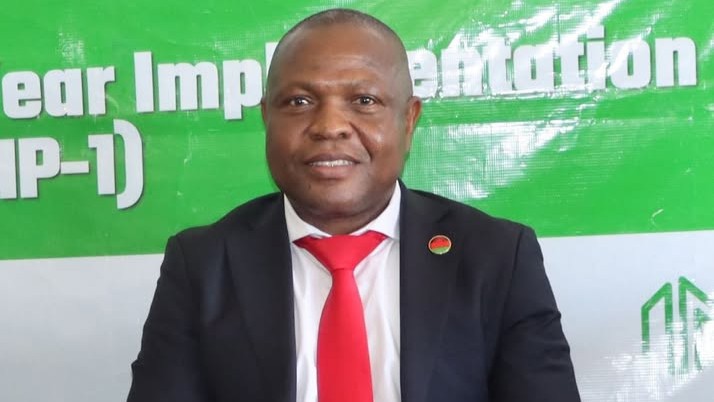
Those goals remain largely out of reach. National Working Group on Trade Policy chairperson Frederick Changaya, also National Planning Commission director general, said the strategy had a broad outlook but failed on execution. "There was no national priority portfolio. No country has developed exports by doing a little of everything," he said.
Changaya argued that Malawi should concentrate on a few crops and value chains where it holds natural advantages, rather than spreading thin resources too widely. He said the lack of binding performance targets weakened accountability and left responsible institutions without firm commitments.
The Malawi Confederation of Chambers of Commerce and Industry (MCCCI) business environment director Lucky Mfungwe said the struggle to diversify reflects deeper structural problems. He pointed to foreign exchange shortages, high inflation, costly borrowing, inconsistent trade policies, expensive transport and limited export financing, all of which have squeezed exporters.
Weak processing capacity and outdated technology limit value addition, so Malawi often sells raw goods instead of finished products that earn more. "Diversification should be measured by the sustainability and contribution of new products to export earnings, rather than simply the number of products and markets reached," Mfungwe said.
The numbers tell the story. According to the Ministry of Finance, Economic Planning and Decentralisation, tobacco accounted for 65.7 percent of total exports in 2025, while agricultural products together made up 93.4 percent. This concentration in a single crop leaves the economy exposed to price swings and falling global demand.
For local entrepreneurs, the message is a warning and an opportunity. Businesses that add value through processing and branding stand to gain most as the country seeks fresh sources of ndalama zakunja, or foreign currency. Farmers and traders willing to explore new crops and mseka wa kunja, the export market, could find room to grow.
Government says it is listening. Ministry of Industrialisation, Business, Trade and Tourism spokesperson Patrick Botha said authorities are addressing some challenges through stronger collaboration with the private sector and more structured market development.
For Malawi’s business community, the lesson is clear: growth comes from focus, not from spreading effort too widely. As one strategy ends, the chance to build a smarter, more accountable approach to exports, one that rewards quality and value addition over sheer volume, is now open to policymakers and entrepreneurs alike.
What are your thoughts on this business development? Share your insights and remember to follow us on Facebook and Twitter for the latest Malawi business news and opportunities. Visit us daily for comprehensive coverage of Malawi’s business landscape.

- NESII Without Clear Priorities or Accountability: What It Means for Malawi’s Economy - November 16, 2026
- Diaspora investment drives Malawi’s enterprise expansion - November 16, 2026
- NPM Festive Season: Local Business, Real Opportunity. - November 15, 2026