
Policy Crisis Looms Under Kabambe’s Management
Key Business Points
- Projected revenue growth is at risk due to fuel price hikes reducing consumption without corresponding tax adjustments.
- The widening deficit could trigger a cycle of debt, inflation, and economic stagnation.
- Economists call for urgent policy shifts to protect vulnerable households and stabilize the fiscal base.
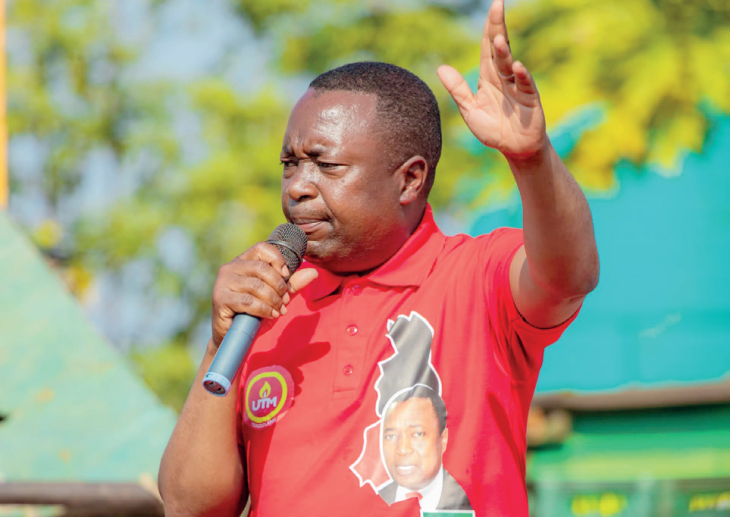
Economist and UTM leader Dalitso Kabambe has sounded a strong warning that the K10.9 trillion 2026/27 National Budget could weaken Malawi’s revenue collection and fiscal health because of "contradictory and self-defeating" policy choices.
Speaking this week, Kabambe—who once served as Reserve Bank governor—argued that the government’s goal of lifting domestic revenue to K6.45 trillion is already slipping out of reach. Since April 1, Mera has pushed petrol to K6,672 per litre and diesel to K6,687—a 34% jump—without changing taxes and levies. This, he says, forces transport, food and production costs higher, reducing how much people spend, how much business produces and ultimately, how much tax the fuko can collect.
"When people buy less, VAT falls. When imports drop, trade taxes decline. When incomes shrink, pay-as-you-earn and corporate tax receipts fall," Kabambe explained. "Revenue stability will not come from higher rates; it will come from a functioning economy. This is the fatal flaw. Government is taxing an economy it is actively shrinking."
He cautioned that the projected K2.85 trillion deficit may end up larger as inflation and social pressures push expenditure up while receipts lag. "What is presented as a manageable deficit is, in reality, the early stage of a self-reinforcing cycle of debt, inflation, and stagnation," he warned.
Kapito woyang’ana that such hikes hit consumers harder than expected and are avoidable.
On the other hand, Minister of Energy and Mining Jean Mathanga defended the levies in Parliament, saying the road levy, rural electrification levy and under-recovery charge are essential to fund roads, expand electricity and pay arrears owed to fuel suppliers. Minister of Finance, Economic Planning and Decentralisation Joseph Mwanamvekha echoed that stance, framing the decision as a fiscal necessity rather than a policy preference.
For Malawi’s business community, the challenge lies in maintaining growth when the cost of fuel—a key input for ulimi transport, manufacturing and trade—is rising faster than household and business capacity can absorb. Kabambe suggests a pivot: targeted support for the most vulnerable, using maize reserves to keep food prices stable, and improving compliance rather than simply raising rates.
Without such measures, small enterprises risk shrinking sales, larger companies may scale back investment and the overall kucheza chakudya could slow, making it harder for the Treasury to collect taxes from an economy already under strain.
What are your thoughts on this business development? Share your insights and remember to follow us on Facebook and Twitter for the latest Malawi business news and opportunities. Visit us daily for comprehensive coverage of Malawi’s business landscape.

- Policy Crisis Looms Under Kabambe’s Management - April 13, 2026
- CTS Alerts on Circulating Fake Receipt Scam - April 12, 2026
- Transform Public Sector Accounting: Key Conference for Malawi’s Business Leaders - April 12, 2026