
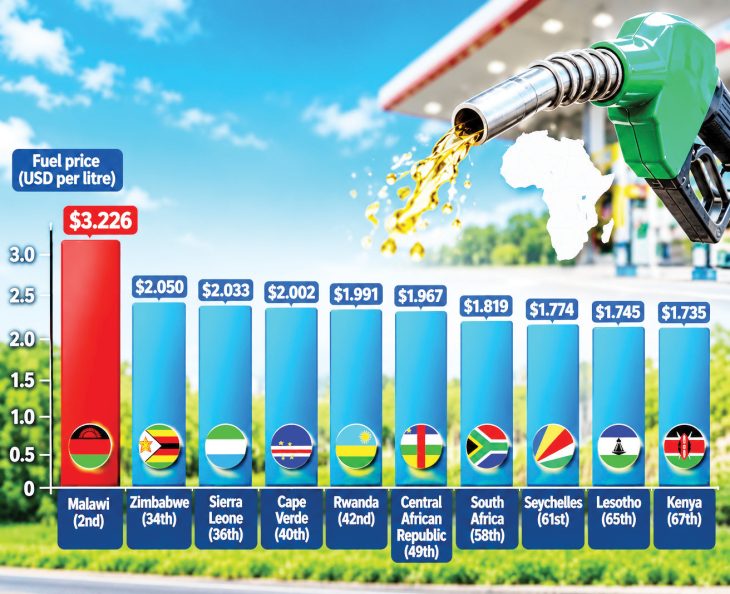
Record fuel prices, empty pumps – The ripple effect on Malawi’s businesses
Key Business Points
- Fuel prices now stand at K5,619.00 per litre, the highest rate among regional neighbours; lock in fuel purchases before further spikes.
- Input costs such as fertilizer, electricity and transport have risen, pressuring margins for small traders and farmers; look for local suppliers and stagger orders.
- New government schemes promote solar power and agro‑processing; entrepreneurs can apply for grants and tax relief to launch green enterprises.
Malawi’s economy continues to grapple with a volatile energy market while trying to boost growth through agriculture and services. A recent report from the Times Mpwa highlighted that petrol at K5,619 cents per litre is the most expensive fuel in the region, pushing drivers to endure long waits at pump stations. For a motorist, this is a daily reminder that affordability remains a core concern. The surge in fuel cost translates into higher operating expenses for transport firms, retail shops and logistics providers, especially those relying on diesel trucks.
At the same time, the Ministry of Agriculture announced a series of subsidies aimed at improving seed availability and irrigation access. Smallholder farms see potential gains if they can secure credit quickly. However, the lack of reliable financing still hampers expansion plans. In Chichewa, the term mtengo denotes investment, so local shopkeepers regularly talk about mtengo strategies when discussing loan options.
Investment officials note that the government is rolling out incentives for renewable energy projects. These include reduced taxes for solar panel installations and streamlined permitting for wind farms. Entrepreneurs interested in clean technology could benefit from matching funds and faster approval processes. Early adoption may position local firms to capture emerging demand for green products.
Local business leaders warn that without immediate adjustments, competition from cheaper imports will erode market share. They advise forming partnerships with regional distributors to negotiate bulk fuel deals and to diversify product lines beyond staple foods. Embracing digital payment platforms also helps cut transaction fees and improve cash flow management.
Overall, the combination of high fuel prices and supportive policy signals creates both challenges and opportunities. Owners should review their cost structures, explore alternative fuels where possible, and stay informed about grant programs. By acting now, they can turn current headwinds into a catalyst for sustainable growth in Malawi’s vibrant entrepreneurial scene.
What are your thoughts on this business development? Share your insights and remember to follow us on Facebook and Twitter for the latest Malawi business news and opportunities. Visit us daily for comprehensive coverage of Malawi’s business landscape.

- Record fuel prices, empty pumps – The ripple effect on Malawi’s businesses - November 8, 2026
- Kayelekera Uranium Shipment Worth $10M Fuels Investment Surge - November 8, 2026
- MCCCI spotlights Malawi’s golden trade chance - November 7, 2026