
Revitalizing Malawi’s Economy: Calls for Exchange Rate Reform and Policy Stability.
Key Business Points
- Malawi should unify its exchange rate regime to reduce distortions, encourage exports, and improve foreign currency inflows.
- The Reserve Bank of Malawi must maintain policy rate stability to anchor inflation and prevent currency depreciation.
- Structural reforms—like border efficiency and trade facilitation—are critical to building resilience against global shocks.
The United Nations has urged Malawi to unify its exchange rate and maintain a stable monetary policy to withstand mounting external pressures, particularly those linked to the escalating Middle East conflict. This call comes in a policy brief titled "Middle East Conflict—Macro-Fiscal and Socio-Economic Impact on Malawi." The report stresses that Malawi’s current exchange rate system, with a 140 percent premium between official and parallel market rates, is deterring exports and limiting formal foreign currency inflows.
The brief recommends moving towards a unified, market-clearing exchange rate to reduce distortions and improve Malawi’s external balance. On monetary policy, the Reserve Bank of Malawi is cautioned against further interest rate cuts after its recent reduction, as premature easing could worsen inflation and accelerate currency depreciation. Instead, the central bank is advised to keep a cautious stance and be prepared to tighten if inflationary pressures rise, preventing a damaging depreciation–inflation spiral.
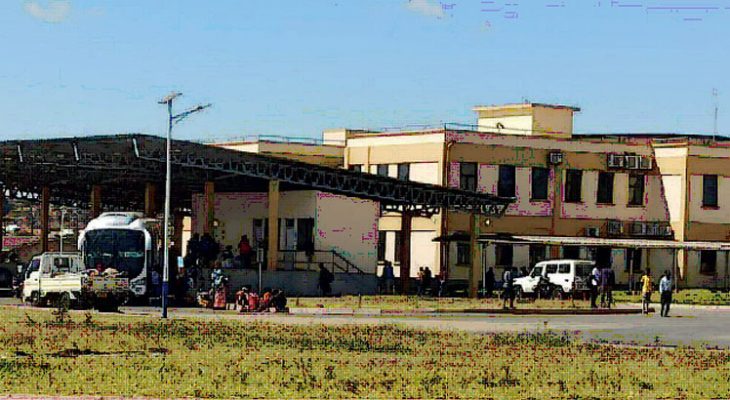
In addition to macroeconomic reforms, the report identifies targeted efforts to strengthen trade performance and border efficiency. The launch of the Dedza–Calomue One-Stop Border Post with Mozambique is expected to cut clearance times and boost cross-border trade. The government is also rolling out the Malawi National Single Window, an electronic system designed to streamline trade documentation and reduce costs. Coordinated border management is being implemented to further streamline processes and reduce the number of agencies operating at Malawi’s borders.
Efforts to integrate with African markets include trade missions to Angola, Mozambique, and Kenya, which have begun yielding contracts that will see Malawian products exported under the African Continental Free Trade Area (AfCFTA) by the second quarter of 2026.
Consumer rights advocates warn that global fuel market disruptions could have direct implications for households. Consumers Association of Malawi’s executive director, John Kapito, highlights that the Middle East conflict poses serious risks to fuel supply and pricing for landlocked Malawi. If disruptions to global supply routes escalate, landed fuel costs could rise sharply. Kapito cautions that, while price increases are unavoidable, failing to adjust pump prices with global trends could lead to shortages and build hidden fuel liabilities. He also warns against relying on subsidies, as they often drive up costs through increased taxation.
These measures underscore the urgency of both macroeconomic and structural reforms to protect Malawi’s economy and support local businesses in uncertain times.
What are your thoughts on this business development? Share your insights and remember to follow us on Facebook and Twitter for the latest Malawi business news and opportunities. Visit us daily for comprehensive coverage of Malawi’s business landscape.

- Revitalizing Malawi’s Economy: Calls for Exchange Rate Reform and Policy Stability. - March 29, 2026
- Malawi’s Hidden Economic Threat: What Every Business Leader Must Know Now - March 28, 2026
- Tax Incentives Drive Stock Market Surge – Here’s What It Means for Malawi’s Business Landscape - March 28, 2026