
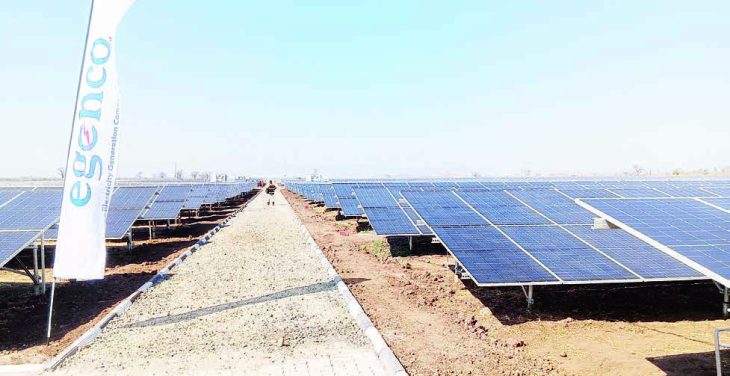
Scaling Malawi’s Industrial Capacity through Strategic Power Investments
Key Business Points
- Monitor power demand trends as electricity needs are expected to rise sharply by 2030.
- Prepare for large scale industrial growth due to several new projects in the pipeline.
- Align business expansion plans with the national goal of meeting massive energy requirements.
By Kingsley Jassi
The landscape of Malawi’s energy sector is poised for a massive transformation, offering significant investment opportunities for those ready to scale. The state owned Electricity Generation Company (Egenco) has announced an ambitious roadmap to expand electricity production to meet the nation’s growing needs by 2028. This move is vital for ensuring a stable supply for both households and the expanding commercial sector.
According to recent projections, the demand for electricity is set to climb significantly. The government’s base case scenario suggests that power demand will reach 774 megawatts by 2030. However, if new industrial projects move forward as expected, a high case scenario predicts demand could soar to 1,291 megawatts. This massive gap between current supply and future demand represents a critical window for entrepreneurs and investors to participate in the energy value chain.
For the Malawian business community, this shift is a signal of upcoming industrialization and economic growth. As more factories and processing plants enter the pipeline, the need for reliable power becomes the backbone of all ubunthu (humanity) and business productivity in the country. Companies that can provide energy solutions or participate in the production of power will find themselves at the center of Malawi’s economic evolution.
The move by Egenco aims to prevent the frequent blackouts that often disrupt local trade. For small and medium enterprises (SMEs), a more stable grid means less reliance on expensive diesel generators, which directly improves profit margins and operational efficiency. As the country moves toward meeting these high case demands, the focus will likely shift toward diverse energy sources to ensure the grid remains resilient.
This era of expansion requires local businesses to be proactive. Entrepreneurs should look toward sectors that support energy infrastructure or industries that thrive on consistent power, such as manufacturing and cold chain logistics. The government’s commitment to meeting these targets provides a level of predictability that is essential for long term business planning and capital investment.
As the nation prepares for this surge in demand, the synergy between government policy and private sector initiative will be the primary driver of success. For those looking to make maliro (ends/results) in their ventures, aligning with the direction of the national energy roadmap is a strategic necessity. The transition toward meeting a potential 1,291 megawatts suggests that the era of energy scarcity may eventually give way to an era of industrial productivity, reshaping the Malawian market forever. Keeping a close eye on these energy trends will be essential for anyone looking to navigate the complexities of the local economy.
What are your thoughts on this business development? Share your insights and remember to follow us on Facebook and Twitter for the latest Malawi business news and opportunities. Visit us daily for comprehensive coverage of Malawi’s business landscape.

- Mwapata Study Maps Malawi’s Rice Market Expansion - September 26, 2026
- Malawi must negotiate the ECF programme it owns – The Times Group - September 26, 2026
- World Bank Praises Malawi’s Fiscal Progress: What It Means for Your Business Growth - September 26, 2026