
Solving Electricity Hurdles for Malawian Business Growth
Key Business Points
- Invest in energy‑resilient solutions: use local solar or diesel backups to avoid the 100 MW loss that hurts production.
- Leverage new grid connections: explore retail, food‑processing, or tech startups that can tap the 160 000 new connections, especially in female‑owned shops.
- Advocate for policy fixes: join the Malawi–Mozambique interconnection push to secure a steadier power supply for SMEs and larger enterprises.
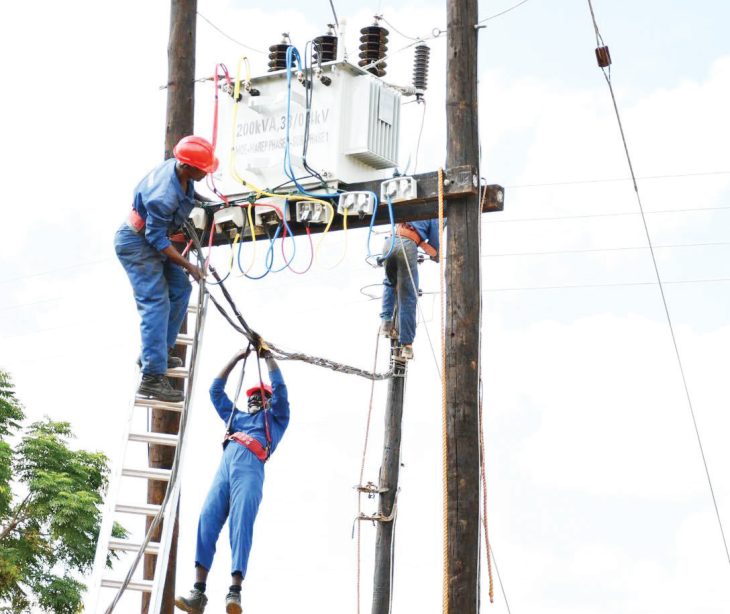
Malawi’s power sector has seen progress that could change the business landscape, but the story is not yet complete. The World Bank’s latest report on the Malawi Electricity Access Project (MEAP) notes that grid connections have risen from 11 % to nearly 26 % of the population. With about two million people now wired to the network and 160 000 new lines laid, many small businesses are opening shops, launching phone‑charging kiosks, and adding food‑processing equipment. The growth in activity is evident in the increase of job opportunities, especially for women in new communities.
However, the supply side has lagged. Escom, Malawi’s national power company, has suffered from large supply gaps, losing roughly 100 MW of capacity in recent periods. The gap arises when remote generators run out of diesel that is hard to procure, leaving the network stranded. This strain on the system escalates the cost of business operations. James Chiutsi, president of the Malawi Union of SMEs, highlighted data from a quick survey: 27 of 30 small firms now spend more than 30 % of their monthly operating budget on diesel fuel for backup generators, with individual firms shelling out between K200,000 and K450,000 each month. These figures underscore a fixed cost that eats into margins and deters expansion.
The power challenges hit every sector, from agriculture to hospitality, because electricity is now a core input rather than a luxury. The Sustainable Development Goals rely on consistent access, yet many SMEs report frequent blackouts that make it difficult to keep machinery running, cool perishables, or power e‑commerce sites. When power is lost, revenue stalls, costs grow, and customer confidence wanes.
The road to a stable grid is being paved by the governments of Malawi and Mozambique. The Malawi‑Mozambique Power Interconnection is a strategic project that will allow the two countries to share power assets. Economists have flagged it as a long‑term solution that could complement MEAP’s new lines. Bertha Chikadza, president of the Economics Association of Malawi, called for action beyond temporary diesel fixes, stressing that the interconnection can bring stability and help high‑demand sectors compete better.
For local entrepreneurs, the lesson is twofold. First, invest now in redundant power sources. The overlap of solar panels, small generators, and battery storage can keep a shop open during outage peaks. Services that help businesses arrange hybrid power setups are likely to find a ready market. Second, involve yourself in policy advocacy. Groups that lobby for faster completion of the interconnection project and for regular maintenance of existing grids can shape the regulatory environment and reduce supply shocks.
Another opportunity lies in women‑led small businesses that have emerged in newly connected areas. With reliable electricity, barbershops, sewing classes, and tea stalls can extend operating hours, improve product quality, and attract more clients. These ventures often prove resilient, so > 30 % of their revenue can go toward fuel offsets while their retail footprint grows.
The power sector remains the single most influential lever for Malawi’s economic growth. The MEAP achievements demonstrate that connecting homes and businesses translates into buying power for local producers and exporters alike. The persistent blackout problem, however, shows that infrastructure alone is insufficient; operational reliability must be built in.
Where there is a gap, there is an opening. Businesses that anticipate power disruptions and plan accordingly—through hybrid setups or early participation in interconnection discussions—will not only survive but thrive. Local entrepreneurs now have a clear signal: build robust energy strategies, champion systemic reforms, and tap the rapidly expanding market created by new grid access. The next decade will reward those who align growth plans with the evolving power landscape.
What are your thoughts on this business development? Share your insights and remember to follow us on Facebook and Twitter for the latest Malawi business news and opportunities. Visit us daily for comprehensive coverage of Malawi’s business landscape.

- Economists Urge Prompt ECF Agreement to Drive Malawi’s Business Expansion - September 22, 2026
- Malawian Economists Urge Mutharika to Reassess Esoma Act’s Business Impact - September 22, 2026
- EDF Drives Gold Market Expansion Across New Districts - September 22, 2026