
Tariff Shifts: Why Malawi’s Exporters Are Losing Ground — And How to Regain Momentum
Key Business Points
– Malawi’s exporting firms have dropped by 47% in 15 years, threatening growth and reducing foreign exchange earnings.
– Over half of manufacturers are producing below capacity, leaving huge potential for increased local production and reduced reliance on imports.
– High costs, bureaucratic delays, and limited long-term financing are holding back entrepreneurs who want to compete on the global market.
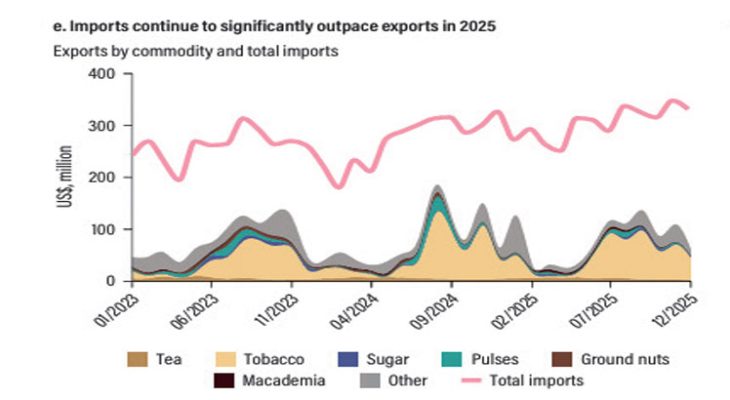
The number of firms in Malawi able to sell products beyond our borders has been shrinking fast—falling by almost half in the past 15 years from 1,227 in 2009 to just 654 in 2025, according to the Finscope Micro, Small and Medium Enterprises Survey. This drop is especially steep in manufacturing and primary commodity exports, the very sectors authorities say could help diversify the economy and boost foreign exchange.
Local entrepreneurs say red tape and high tax burdens make it hard to get started, let alone grow. Esther Manduwa, who runs a pure honey business, points out that just trying to register an enterprise can take months, slowing momentum before a firm takes off. She believes targeted tax incentives could help small ventures scale up production and reach customers abroad. Ngabaghila Chatata, chief executive of Thanthwe Farms, adds that access to long-term, patient capital is critical, particularly in agriculture, so businesses have time to grow, invest in quality and reach overseas buyers.
The downward trend in exporters has serious knock-on effects. Manufacturing exporters alone dropped 53%, from 849 to 399 in the same period, signalling a steady erosion of industrial capacity at a time when authorities are trying to build higher-value exports. In February, World Bank country head Firas Raad warned that delaying reforms to restore competitiveness risks leaving the economy more vulnerable through rising inflation, widening deficits and falling reserves.
MCCCI’s own data paint a similar picture: more than half of firms (51.9%) are producing below their potential, while only about one in ten runs above three-quarters of capacity. Daisy Kambalame, MCCCI chief executive, says this underuse is even visible in sectors such as pharmaceuticals, where just four major firms make less than a quarter of what the country needs, leaving the rest to costly imports from abroad. Expanding local output could cut these import bills, improve availability of essential medicines and even boost agriculture, since inputs and supplies often depend on imported materials.
The overall structure of the sector compounds the issue: 74% of Malawi’s MSMEs are micro-enterprises and only three percent are medium sized. Without larger, more capable firms, the country ends up reliant on a small number of larger players—most of them foreign—while local businesses struggle to scale. With the right mix of financing, streamlined business rules and incentives to encourage investment, these numbers could slowly improve, helping more companies move from local survival to international competition—and boosting national income in the process.
What are your thoughts on this business development? Share your insights and remember to follow us on Facebook and Twitter for the latest Malawi business news and opportunities. Visit us daily for comprehensive coverage of Malawi’s business landscape.

- PCL & Government Press On $55.1M Power Project – Malawi’s Next Business Opportunity - September 25, 2026
- Kwenda CEO Gondwe Named Among Africa’s 100 Most Influential – A Catalyst for Malawian Business Growth - September 25, 2026
- Malawi’s Industrial Growth Playbook: Learning from Zimbabwe’s Success - September 25, 2026