
Tobacco Revenue Falls 47% to $286.7 Million: A Wake Up Call for Malawi’s Business Community
Key Business Points
- Tobacco revenue fell sharply to $286.7 million, so businesses linked to farming, transport, warehousing and rural retail should plan for weaker cash flow.
- Farmers need cost control as lower prices meet rising production costs, making budgeting, input sourcing and crop diversification urgent.
- Malawi needs wider export earnings because a 47.1 percent drop in tobacco income can reduce foreign currency and weaken demand across local markets.
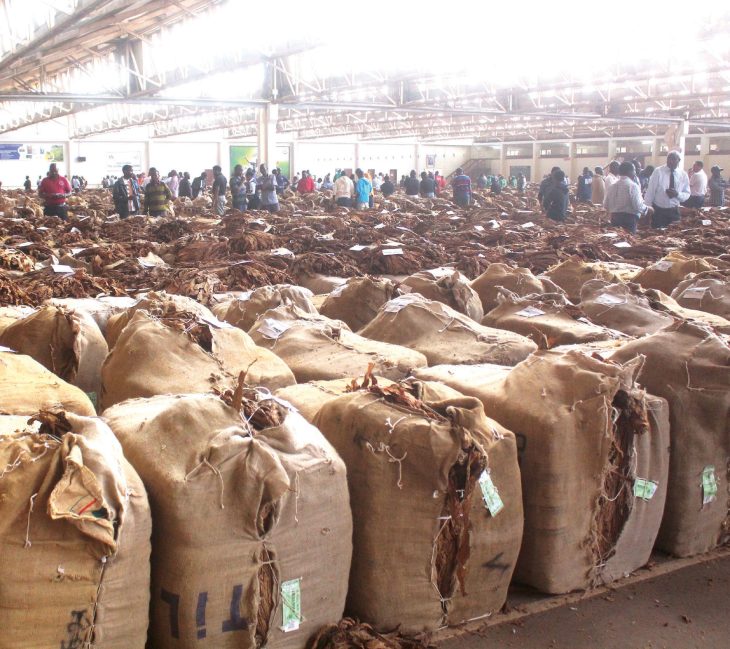
Malawi’s tobacco sector has delivered a difficult message to the country’s business community after earnings from the 2026 marketing season fell by 47.1 percent to $286.7 million.
According to statistics published by AHL Tobacco Sales Limited on Wednesday, tobacco income dropped from $542.3 million earned during the 2025 season. The decline of $255.6 million, equal to about K447.6 billion, is a major blow to farmers, buyers, logistics providers and communities that depend on the crop.
Tobacco remains Malawi’s top export crop, which means the drop has effects beyond the auction floors. When farmers earn less, they have less ndalama to repay loans, buy household goods, pay school fees, invest in inputs or support local shops. This can slow business activity in rural trading centres and towns connected to tobacco production.
The main pressure points are lower selling prices and rising production costs. Farmers are being asked to produce a high value crop while spending more on labour, fertiliser, transport and other farm needs. For many growers, this creates a difficult season where sales may not fully cover expenses. The result is tighter cash flow and weaker ability to expand production next year.
For Malawi’s business sector, the numbers point to the need for better risk planning. Banks and microfinance institutions may need to review loan repayment schedules for farmers and agribusinesses exposed to tobacco. Input suppliers may also face slower demand if growers reduce planting or delay purchases. Transporters, packaging suppliers and warehouse operators should expect lower volumes of business linked to the crop.
The decline also strengthens the case for export diversification. Malawi cannot rely too heavily on one crop when global prices can change quickly. Farmers and investors may need to look more closely at alternative cash crops, value addition, irrigation and agro processing. Products such as legumes, macadamia, cotton, chilli, sesame and processed foods could offer opportunities if supported by reliable markets and fair pricing.
Business leaders should also watch the foreign currency impact. Lower tobacco earnings mean fewer dollars entering the country, which can affect importers, fuel suppliers, manufacturers and businesses that rely on imported raw materials. A weaker foreign currency position often raises costs and creates planning challenges.
For local entrepreneurs, the message is practical: build businesses that help farmers reduce costs, improve quality and access better markets. Services such as farm advisory support, storage, grading, transport coordination and small scale processing can play an important role.
As Malawi moves beyond this tobacco season, the key opportunity is to use the setback as a warning. Protecting farmer income, widening exports and strengthening local value chains will be essential for more stable economic growth.
What are your thoughts on this business development? Share your insights and remember to follow us on Facebook and Twitter for the latest Malawi business news and opportunities. Visit us daily for comprehensive coverage of Malawi’s business landscape.

- Tobacco Revenue Falls 47% to $286.7 Million: A Wake Up Call for Malawi’s Business Community - September 17, 2026
- Malawi Business Forum: Fueling Job Creation and Forex Generation - September 17, 2026
- EIB and Centenary Bank’s €7.5M Pact to Fuel Malawi’s SME Growth - September 17, 2026