
Uncover the Hidden Opportunity: Malawi’s $540m Trade Gap Explained
Key Business Points
- Monitor forex availability closely as the trade deficit has climbed to $540 million, increasing pressure on the kwacha.
- Prepare for higher operational costs due to electricity blackouts that force businesses to use expensive diesel generators.
- Look for opportunities in local manufacturing and agricultural value addition as the government moves to ban certain imports.
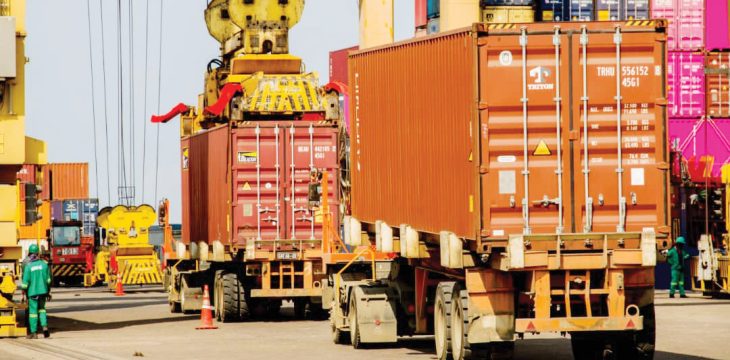
Malawi is facing a difficult start to the year, with a widening trade deficit that could impact the entire business ecosystem. According to recent data from the Reserve Bank of Malawi, the country recorded a $540 million deficit during the first two months of the year. While the percentage of this deficit has slightly decreased compared to last year, the sheer volume of money leaving the country is a concern for local entrepreneurs and investors.
The core of the problem lies in a mismatch between what Malawi produces and what it buys from abroad. Because industrial output remains low, the country is importing much more than it exports. This imbalance creates a serious shortage of foreign exchange, or forex, which makes it harder for businesses to pay for essential raw materials and equipment.
Economic growth projections remain a point of debate. While authorities are optimistic about a 3.8 percent growth rate, the World Bank is more conservative, predicting only 2.3 percent. For the average business owner, these numbers reflect the challenges of navigating a volatile market.
One of the biggest hurdles to growth is the current energy crisis. The President of the Economics Association of Malawi, Bertha Chikadza, noted that frequent electricity blackouts are a major setback. Many firms are forced to switch to diesel generators to keep running. This reliance on diesel significantly inflates the cost of doing business, leading to higher prices for consumers and thinner profit margins for manufacturers. Without reliable power, it is difficult to achieve the mphamvu or strength needed for large scale industrialization and agricultural value addition, such as cold storage for produce.
To combat these issues, the government is attempting to implement "quick wins" to protect the economy. Minister of Finance Joseph Mwanamvekha has highlighted measures such as the ban on maize seed imports and efforts to facilitate local fertilizer manufacturing. These moves are designed to reduce the heavy reliance on expensive imports and help stabilize the economy.
Current export data shows that tobacco continues to dominate the market, accounting for $75 million of the total exports in early 2024. While tobacco remains a vital source of income, the country’s economic health depends on diversifying its exports to reduce vulnerability.
As the government works with the central bank on strategic industrial projects, local businesses should stay alert to shifts in trade policy. The transition toward supporting local manufacturing and reducing import dependency offers a significant opening for entrepreneurs who can provide locally made goods and services. Navigating the current forex scarcity and energy challenges will require careful financial planning and a focus on efficiency to ensure long term sustainability.
What are your thoughts on this business development? Share your insights and remember to follow us on Facebook and Twitter for the latest Malawi business news and opportunities. Visit us daily for comprehensive coverage of Malawi’s business landscape.

- K82 Million Monthly Revenue: Malawi’s Water Bottling Opportunity - October 6, 2026
- CFTC Calls for Deeper Regional Ties to Expand Malawi’s Market Access - October 6, 2026
- Costly Money Transfers to Malawi Hamper Business Growth – The Times Group - October 6, 2026