
China’s Trade & Investment Blueprint for Malawi’s Business Growth
Key Business Points
- Prepare investment ready projects by using feasibility studies and market data to turn raw ideas into professional opportunities that attract capital.
- Prioritize market intelligence by researching consumer preferences and product standards before attempting to export goods.
- Foster institutional coordination to ensure that government bodies and private sector players like Mitc and Mccci work together to reduce business delays.
Malawi stands at a crossroads where the potential for growth is immense, yet the transition from potential to actual wealth remains a challenge. Recent insights from a capacity building seminar in China reveal that attracting foreign capital is not just about having natural resources. Instead, successful nations build reliable systems that make it easy and safe for investors to commit their money.
For local entrepreneurs and business owners, the most vital takeaway is that investment follows readiness. While Malawi has massive opportunities in agriculture, mining, manufacturing, and renewable energy, many projects fail to attract funding because they are not packaged professionally. To secure chuma (wealth) and growth, businesses and government agencies must move toward presenting clearly defined projects supported by solid market data and transparent rules.
The seminar also emphasized that export success requires deep market intelligence. It is no longer enough to simply produce goods and hope for the best. To compete globally, Malawian exporters must understand exactly what international buyers want, including specific quality standards and emerging trends. This shift from simple production to demand driven manufacturing is essential if Malawi is to successfully diversify its exports and increase foreign exchange earnings.
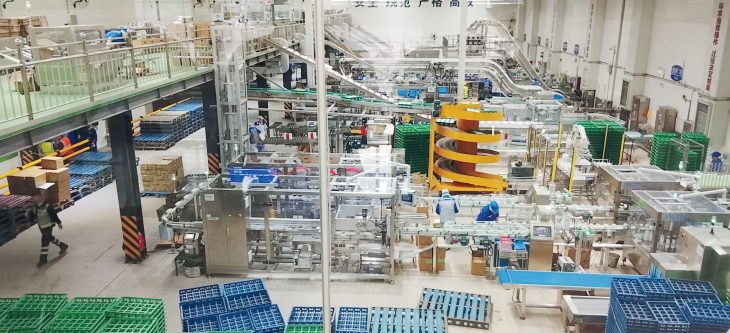
A visit to major industrial sites in China highlighted that industrialisation creates a ripple effect. Large scale manufacturing does more than just produce goods; it creates a massive network of opportunities in logistics, technology, and supply chain services. For Malawi to achieve the goals of Malawi 2063, there must be a stronger focus on value addition. This means moving away from exporting raw materials and instead focusing on processing them locally to create more jobs and higher profits.
Furthermore, the concept of gwirizano (unity or coordination) is critical. Economic transformation cannot happen if government ministries, regulators, and business associations like the Malawi Confederation of Chambers of Commerce and Industry work in isolation. When institutions operate separately, it creates unnecessary costs and delays for the private sector. However, when they act as a coordinated ecosystem, they create a welcoming environment that encourages both local and international investment.
Ultimately, Malawi’s path to economic transformation depends on strengthening the systems that support business. Comparative advantage is no longer just about location or resources; it is about the efficiency of your systems and the consistency of your policies. By focusing on project preparation, market research, and better coordination, Malawi can turn its vast economic potential into a reality for all its citizens.
What are your thoughts on this business development? Share your insights and remember to follow us on Facebook and Twitter for the latest Malawi business news and opportunities. Visit us daily for comprehensive coverage of Malawi’s business landscape.

- China’s Trade & Investment Blueprint for Malawi’s Business Growth - November 13, 2026
- Malawi’s critical minerals gain EU duty free entry, driving trade and investment - November 13, 2026
- Honey Industry Challenges Signal New Growth Potential for Malawi Entrepreneurs - November 13, 2026