
Costly Money Transfers to Malawi Hamper Business Growth – The Times Group
Key Business Points
- Target consumer‑goods and mobile money platforms to capture the rise in household spending driven by growing remittance inflows.
- Push for lower transfer fees by working with fintech providers and regulators so more of the $187 million flow stays in the local economy.
- Use the steady remittance surge as a cue for SMEs to expand credit offerings and savings products for diaspora‑linked families.
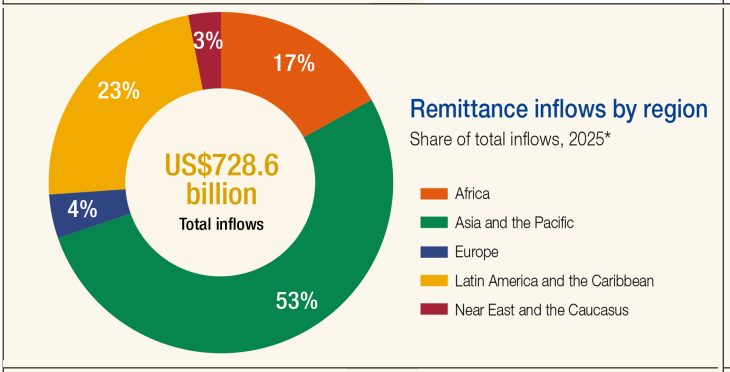
Malawi’s remittance inflows have surged, climbing 378 percent from 2016 to 2025 and reaching a $187 million, or roughly K327.4 billion, according to the latest Sending Money Home report from the International Fund for Agricultural Development (Ifad). The upward trend reflects both a growing number of Malawians working abroad and the resilience of diaspora support during periods of domestic economic strain.
For Malawi’s business community, the remittance boom represents a tangible source of purchasing power that can be harnessed across several sectors. Households receiving funds tend to allocate a significant share to everyday consumption, including food, clothing, housing improvements and education. This pattern creates opportunities for retailers, wholesalers and manufacturers of fast‑moving consumer goods to expand their product lines and strengthen distribution networks, especially in peri‑urban areas where many recipient families reside.
Mobile money operators and banks also stand to benefit. The report notes that while the volume of money sent home has risen sharply, high transfer costs remain a barrier that erodes the value of each transaction. In Malawi, average fees for sending money through traditional channels can exceed ten percent of the amount transferred, which reduces the net benefit to recipients and discourages frequent use. By negotiating lower rates with international money‑transfer firms or promoting interoperable domestic platforms, financial service providers can increase transaction volumes and improve financial inclusion.
Policy makers have a role to play as well. The Ifad study encourages governments to create an enabling environment that reduces remittance costs through regulatory reforms, competition promotion and investment in payment infrastructure. For Malawi, this could mean streamlining licensing for new fintech entrants, supporting the expansion of agent networks in rural districts, and encouraging partnerships between banks and mobile operators to offer cheaper, faster services.
Entrepreneurs should consider how the remittance trend aligns with local business needs. A steady inflow of foreign currency can strengthen the kwacha’s stability, lower import costs for businesses that rely on foreign inputs, and boost confidence among investors looking for markets with predictable demand. At the same time, businesses that cater to diaspora‑linked consumers—such as remittance‑funded real estate projects, diaspora‑oriented tourism packages, or agro‑processing units that supply food to urban households—may find a ready customer base.
In practical terms, Malawian SMEs can start by analysing customer data to identify spikes in sales that correlate with known remittance‑payment dates, adjusting inventory and staffing accordingly. They can also explore joint ventures with fintech firms to offer bundled services—for example, a savings account that automatically receives remittance transfers and provides a small interest return, encouraging recipients to save rather than spend all funds immediately.
Overall, the remittance surge presents both a chance to deepen domestic consumption and a reminder that reducing transaction costs is essential to keep more of that money working within Malawi’s economy. By acting on these insights, business owners, entrepreneurs and policymakers can help turn remittances from a lifeline into a catalyst for broader, inclusive growth.
Note: Chichewa terms such as kulandila pakati (to invest together) and chigwirizano (cooperation) resonate with the ideas of shared investment and partnership highlighted above.
What are your thoughts on this business development? Share your insights and remember to follow us on Facebook and Twitter for the latest Malawi business news and opportunities. Visit us daily for comprehensive coverage of Malawi’s business landscape.

- Costly Money Transfers to Malawi Hamper Business Growth – The Times Group - October 6, 2026
- Ministry Acknowledges Challenges for Small Firms, Focus on Path to Growth - October 5, 2026
- Malawi vendor commissions fuel business impact - October 5, 2026