
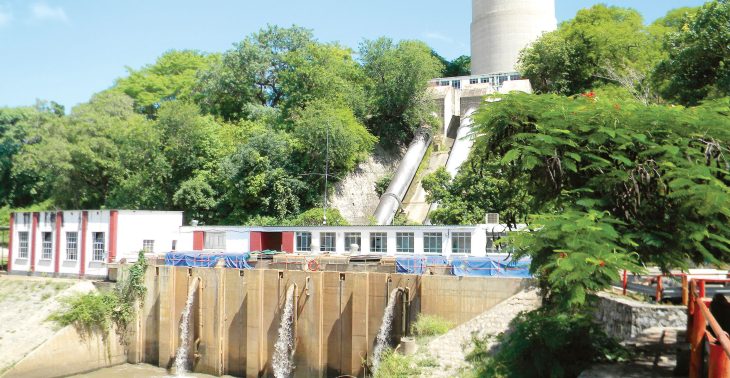
Egenco’s 300MW project advances Malawi’s energy sector and investment climate
Key Business Points
- Prepare for more reliable power by 2029 as Egenco works to finish the Kammwamba coal project and the Mpatamanga hydro project, which together could push national generation beyond one gigawatt.
- Plan operations around current power risks because industrial output shrank by 12.1 percent in the first quarter, partly due to electricity cuts and diesel shortages for backup generators.
- Watch for new investment openings in energy projects such as Wovwe expansion and the proposed Salima thermal plant, which could create opportunities for local suppliers and contractors.
By Kingsley Jassi
Malawi’s power sector is moving forward after years of delay, with the Electricity Generation Company (Egenco) aiming to complete the 300-megawatt Kammwamba Coal-fired Power Project by 2029. The project has waited for decades, and a Chinese partner recently withdrew from a special purpose vehicle, which also cost the country a loan from China Exim Bank. Egenco Chief Executive Officer William Liabunya said talks with new investors are advancing and early work is continuing.
“These are flagship investments that will add substantial electricity to the national grid,” Liabunya said. He added that Egenco, with support from the World Bank, is also progressing on the Mpatamanga Hydro Power Project, which is now at the financing stage after securing investors and completing most preparation work.
If both major projects are completed, Malawi’s generation capacity is expected to go beyond one gigawatt. That would help stabilise power supply and reduce the persistent electricity shortages that continue to hurt economic productivity. The CEO also said Egenco is repairing lost capacity at existing hydropower stations and advancing the expansion of Wovwe Hydropower Station and the proposed Salima Thermal Power Project.
Liabunya explained that steady base power is needed to support solar energy, which only produces electricity during the day unless batteries are used. Without enough base power, the system can become unstable at night.
Business groups have warned that unreliable electricity is constraining factories and other operations. The Economics Association of Malawi and the Malawi Confederation of Chambers of Commerce and Industry have both raised concern. The problem is worse because companies struggle to get diesel for backup generators. The National Statistical Office estimated that the industrial sector shrank by 12.1 percent in the first quarter of the year, blaming power interruptions and foreign exchange challenges.
Industry analysts say fixing the energy gap could help reverse the industrial contraction and support growth in manufacturing, agriculture, and services.
For Malawi’s bizinesi community, the message is clear. Investment in mphamvu yasiya is central to growth, and companies should review their energy plans now. Firms that can supply equipment, construction services, or technical support to these power projects may find new contracts. At the same time, business owners should budget for possible outages and explore alternative power sources while the country waits for new plants to come online.
For local entrepreneurs, the coming projects mean potential tenders, subcontracts, and demand for services such as catering, transport, and security around construction sites. Entrepreneurs should also track financing milestones at Mpatamanga and Kammwamba, as progress there could open doors for joint ventures and local partnerships. Reliable power remains one of the most important factors for expanding operations and attracting new investment to Malawi.
What are your thoughts on this business development? Share your insights and remember to follow us on Facebook and Twitter for the latest Malawi business news and opportunities. Visit us daily for comprehensive coverage of Malawi’s business landscape.

- Malawi Opens Gateway to Zambian Market: New Trade Horizons for Businesses - November 19, 2026
- Egenco’s 300MW project advances Malawi’s energy sector and investment climate - November 18, 2026
- Mwapata Research Maps Malawi’s Honey Sector for Commercial Scale Up - November 18, 2026