
Global Power Plays: How Geopolitics Shapes Malawi’s Inflation and Business Rates
Key Business Points
- Malawi’s ability to lower inflation to 15% depends on global factors such as fuel and fertilizer prices, not just domestic policy.
- Local businesses importing goods should stay alert to global energy price changes as these directly affect operational costs.
- Timely action by policymakers and market participants can grab potential economic stability as international conditions improve.
The government’s plan to bring annual inflation down to around 15% and reduce the policy rate to 18% is receiving attention from business leaders and economists. While these targets remain achievable, Analysts emphasize that global forces are exerting significant influence.
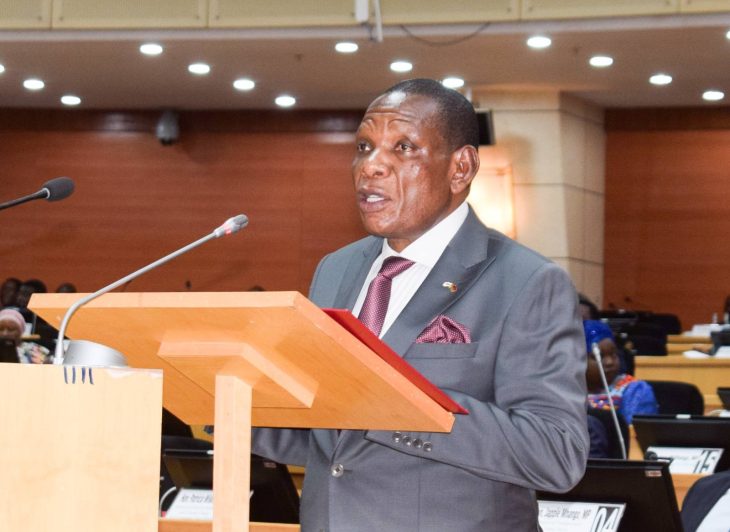
Minister of Finance, Economic Planning and Decentralisation, Joseph Mwanamvekha, has maintained that stabilizing the economy and keeping inflation in check depend on keeping inflation around 15% and bringing down borrowing costs to 18%. However, experts caution that international events will play a deciding role in whether these targets are met.
Malawi’s exposure to global price swings is rooted in its reliance on imported fuel and fertiliser. As a landlocked country, it depends heavily on cross-border supply chains, making it vulnerable to fluctuations in oil prices and geopolitical tensions in producing and transit regions. Recent international market reports show oil prices have eased, with Brent crude posting declines in recent weeks. This has helped reduce pressure on import costs, which has the potential to trickle down to lower transportation and production costs.
Despite the positive signal from the global market, caution remains the operative word. Industry specialists warn that emerging tensions or regional instability could quickly reverse the trend, heating up prices again. In addition, domestic factors such as fiscal discipline and economic resilience to climate shocks continue to temper optimism.
On the financial policy front, the Reserve Bank of Malawi has taken a cautious stance. While lower global fuel costs could make it easier to control inflation, Mutharika Mutharika says the central bank must strike a balance between encouraging growth and ensuring rising prices don’t erode economic stability.
For businesses across the country—from agro-dealers to transport operators—monitoring global commodity markets may be just as important as tracking the kwacha’s movements. Improved global supply conditions represent an opportunity to lock in lower costs and reinforce pricing strategies. But preparedness for sudden price reversals is essential.
Entrepreneurs should also note that instability in fuel imports can drive up production and shipping expenses, impacting competitiveness. Taking proactive steps such as making long-term contracts, diversifying suppliers, or hedging against price increases may help mitigate risks.
The road to lower inflation and borrowing costs gets a lift when external conditions cooperate, but locally, disciplined fiscal and monetary management will also determine whether these economic goals are secured. With early signs of improvement in international energy markets, domestic sectors stand to gain—provided they remain adaptive to both global and local shifts.
What are your thoughts on this business development? Share your insights and remember to follow us on Facebook and Twitter for the latest Malawi business news and opportunities. Visit us daily for comprehensive coverage of Malawi’s business landscape.

- Global Power Plays: How Geopolitics Shapes Malawi’s Inflation and Business Rates - April 11, 2026
- Afreximbank’s Assets Surge to $48.5 Billion: New Growth Opportunities for Malawi’s Entrepreneurs and Investors - April 11, 2026
- Malawi’s Trade Gap Shrinks: A Boost for Local Businesses and Investors - April 11, 2026