
Haulers’ Outcry Sparks Government Action – A Must‑See for Malawi Business Leaders #TimesGroup
Key Business Points
- The Ministry of Transport will directly engage local transporters to address rising operating costs and critical forex shortages.
- Forex scarcity directly impacts key transport needs, increasing costs for spare parts, fuel, and essential imports, burdensing businesses and consumers.
- Collaboration between government and industry is vital to find solutions and reduce operational barriers hindering economic growth.
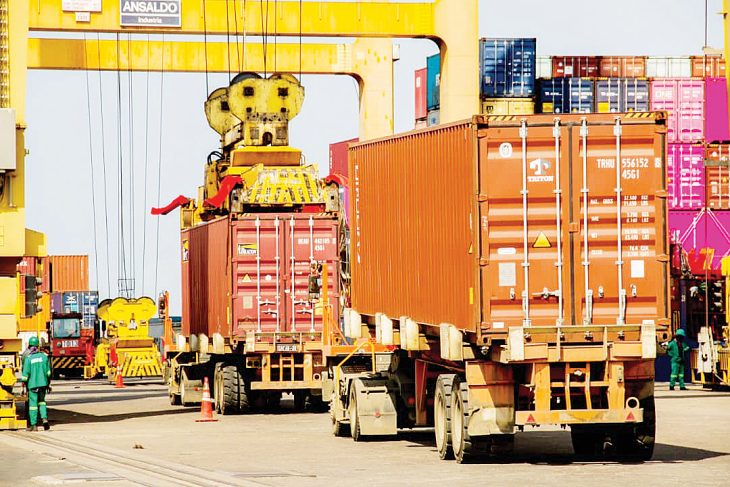
Ministry of Transport officials have confirmed plans to meet with local transporters following concerns raised about escalating challenges within the sector. The Transporters Association of Malawi (Tam) formally communicated these issues to government last week, highlighting pressures significantly impacting their ability to operate efficiently. This engagement signals a recognition by authorities of the critical role the transport sector plays in Malawi’s overall economic health.
The core issues identified by Tam are two-fold and interconnected. Firstly, there’s a persistent and severe foreign exchange (forex) scarcity. This scarcity makes it incredibly difficult for transport businesses to import essential items like spare parts for vehicles and trucks, lubricants, and specialized equipment needed for maintenance. Secondly, the high cost of fuel, often procured using scarce forex, combined with these import difficulties, has led to a significant rise in the overall operating costs for transporters. These increased costs are inevitably passed down the supply chain, affecting prices for goods transported and ultimately, the cost of living for consumers.
This situation creates a ripple effect across Malawi’s economy. Reliable and affordable transport is the backbone of trade. When transport costs soar, it becomes more expensive for mabizinesi (businesspeople) to move their raw materials to factories and finished products to markets. This increases production costs, reduces competitiveness, and stifles business growth. It also hampers agricultural producers getting produce to markets efficiently, impacting their income and food security.
The Ministry’s commitment to dialogue is a positive step. It acknowledges the sector’s vulnerability to external economic pressures like forex volatility and demonstrates a willingness to work alongside industry players. Transporters represent a vital component of Malawi’s informal and formal sectors, employing many people. Finding solutions here is crucial for sustaining livelihoods and enabling kukula kwamalonda (business growth) nationwide.
Potential avenues for solutions might include exploring targeted interventions to ease forex access for critical imports, or supporting the development of local maintenance capabilities to reduce dependency on foreign parts. Efficient logistics not only reduce costs but also improve the speed and reliability of moving goods within Malawi and for export, making the country more attractive for investment.
Malawi’s business community, especially reliant on efficient supply chains, should monitor this engagement closely. Addressing the transport sector’s current pressures is not just about helping truck owners; it’s about lowering operational costs for all businesses, improving access to markets for farmers, and ultimately supporting broader economic stability and growth. The outcome of these discussions could have significant implications for investment opportunities and the ease of doing business in Malawi.
What are your thoughts on this business development? Share your insights and remember to follow us on Facebook and Twitter for the latest Malawi business news and opportunities. Visit us daily for comprehensive coverage of Malawi’s business landscape.

- Malawi’s Consumption Hits K12 Trillion – Business Opportunities Ahead - September 21, 2026
- EDF and FDH Bank Partner to Drive Malawi’s Gold Buying Expansion - September 21, 2026
- Malawi Debt Restructuring Paves Path for Business Growth - September 20, 2026